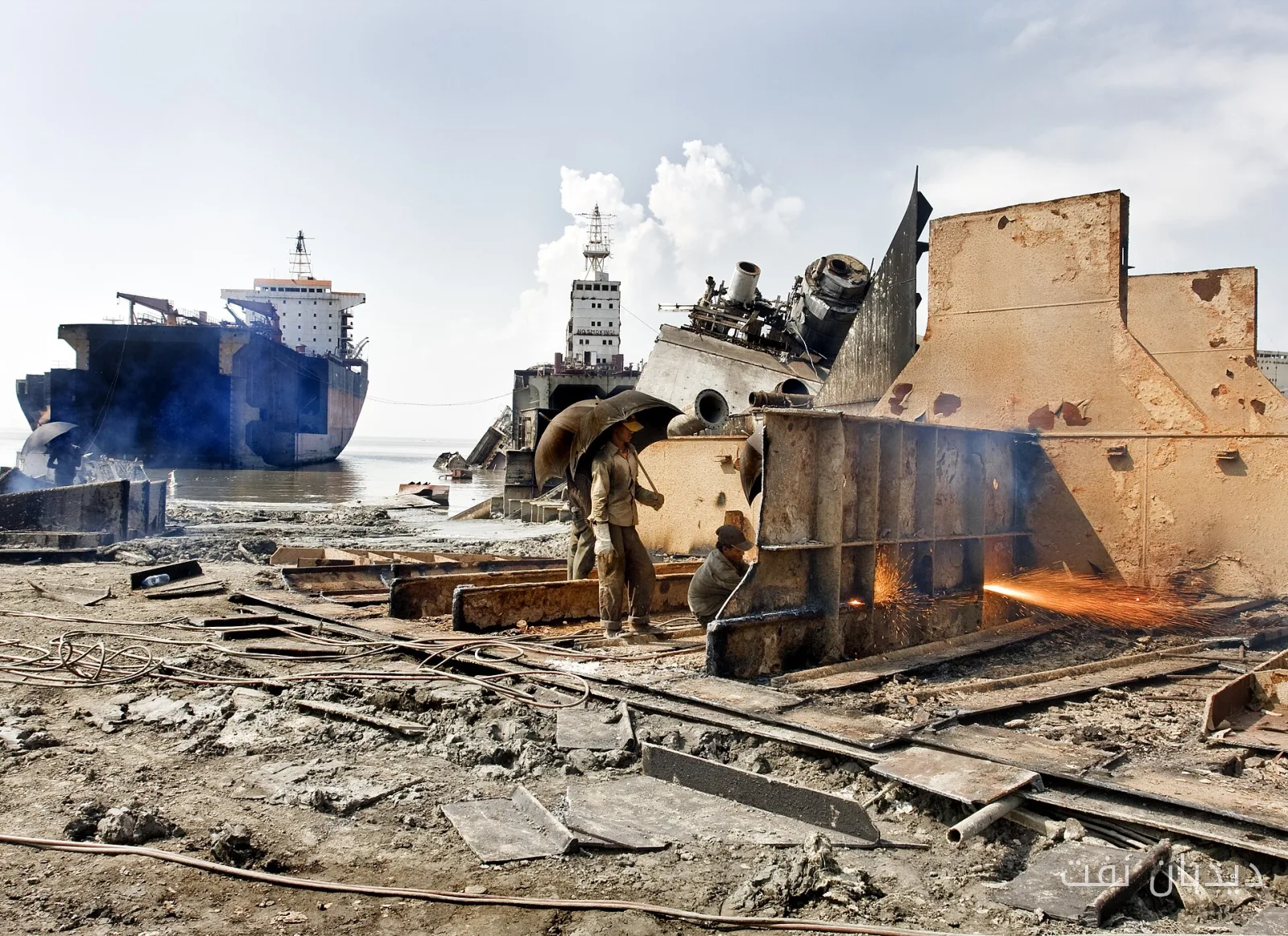
The European Parliament's Environment Committee has created a barrier for shipowners by voting against the entry of two Indian shipyards into the EU's approved recycling list. This decision is considered a setback, especially for shipowners seeking greater access to shipbreaking capacities in the South Asia region.
Opposition to Indian Facilities
This committee voted negatively this week on the European Commission's proposal to approve the shipyards of Shree Ram Vessel Scrap and YSI Recycler, both located in the Alang-Sosiya shipbreaking yard in Gujarat. Members of the European Parliament (MEPs) who opposed the proposal raised questions about pollution control and hazardous waste management at yards that use beaching methods for shipbreaking.
Read more: SATBA Introduced Three Green Areas with 100% Electricity Supply from Solar Energy
Concerns About Waste Management
This opposition also raised concerns about the management of secondary waste, including scrap steel sent to local rolling mills that have not been assessed under EU industrial emission standards. Environmental monitoring conducted by activists indicates high levels of toxic substances including copper, chromium, cadmium, and mercury in the Alang-Sosiya area.
The Executive Director of the NGO Shipbreaking Platform, Ingvil Jenssen, stated that today's vote in the European Parliament sends a strong political message to the European Commission, asserting that the approval of these facilities despite identified deficiencies in inspections undermines the environmental objectives of these regulations.
This vote has created a conflict between lawmakers and European shipping interests. The industrial association ECSA had urged parliament members to support the Commission's proposal, claiming that both yards had undergone extensive inspections and complied with EU standards.
Meanwhile, environmental organizations and representatives of the recycling industry hold an opposing view, arguing that beaching operations cannot provide adequate containment of hazardous materials and should not qualify for EU recognition.
This vote is not final and is expected to be referred to the full European Parliament in November, and does not automatically require the Commission to withdraw its proposal. Member states will also play a role in the approval process.
Read more: Germany Launched a Project to Clear World War I and II Ammunition · MSC Added Three New Oil Tankers to Its Fleet in China