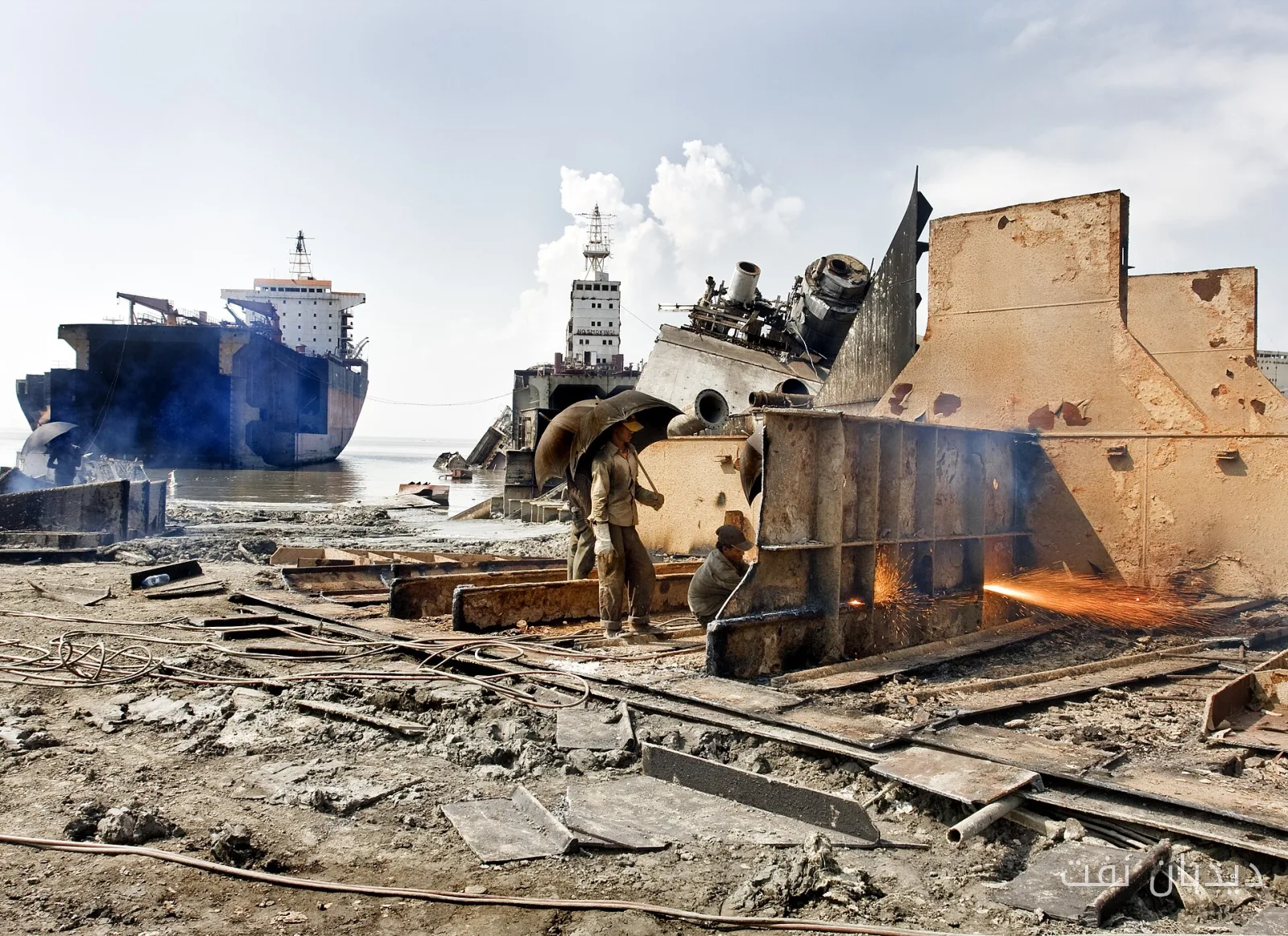
The HKC Agreement (Hong Kong Convention), adopted in 2009, will come into force on June 26, 2025. This agreement, along with the Basel Agreement (Basel Convention) from 1989, has created multiple challenges in the management of end-of-life ships. Given the high volume of ships being sent for recycling, the need for agreement and transparency in this area is felt more than ever.
Current Status and Legal Challenges
The HKC and Basel agreements have addressed overlapping activities differently. For example, a ship sent for dismantling may be considered waste while still recognized as an operational vessel. This legal contradiction leads to issues in transferring ships to other countries, including the need for notifications and environmental permits.
In 2024, according to an UNCTAD report, approximately 6.34 million gross tons of ships were sent for recycling, with Bangladesh, India, Pakistan, and Turkey accounting for 43.2%, 33.9%, 7.2%, and 7.4% respectively. These countries alone make up 91.7% of the ship recycling market. However, this situation impacts global maritime transport due to legal uncertainties and challenges present in these countries.
Need for Common Standards and Improvement in Management
According to Article 2(8) of the Basel Agreement, proper environmental management must include all possible measures to protect human health and the environment from the negative effects of hazardous waste and other wastes. This definition creates a common legal framework but also raises practical questions: what type of protection is sufficient, and what evidence is needed to prove it?
The HKC Agreement cannot address concerns regarding waste management or final disposal. Therefore, there is a need for connected and coherent assessments in three different areas:
- Environmental indicators that should include the management of hazardous waste, soil and water pollution, air emissions, etc.
- Occupational and social indicators that include exposure, accidents, and protective equipment.
- Economic and institutional assessment that examines technology costs, access to treatment, and enforcement capabilities.
Transparent and empirical research should help identify the relative importance of these assessments. Additionally, there is a need to establish protective thresholds and feasible methods to improve the current situation.
Thus, Bangladesh, as a practical pilot in this area, can play an important role. Given its market share and adherence to the HKC Agreement, it requires thorough assessment and should be studied to identify existing gaps and necessary resources for improvement.