Environmental consulting firm GHD has presented an innovative proposal for financing the removal of abandoned marine equipment. This equipment, known as "abandoned gear," includes nets, lines, and fishing traps that can pose long-term risks to marine life.
The Problem of Abandoned Marine Equipment
The problem of abandoned marine equipment reaches about 25 million traps and fishing gear annually. These lost items are considered one of the main components of the "Great Pacific Garbage Patch," and their recovery is the focus of several conservation groups. However, the recovery process is costly, which is why GHD is seeking a solution to finance these operations.
GHD's Financing Proposal
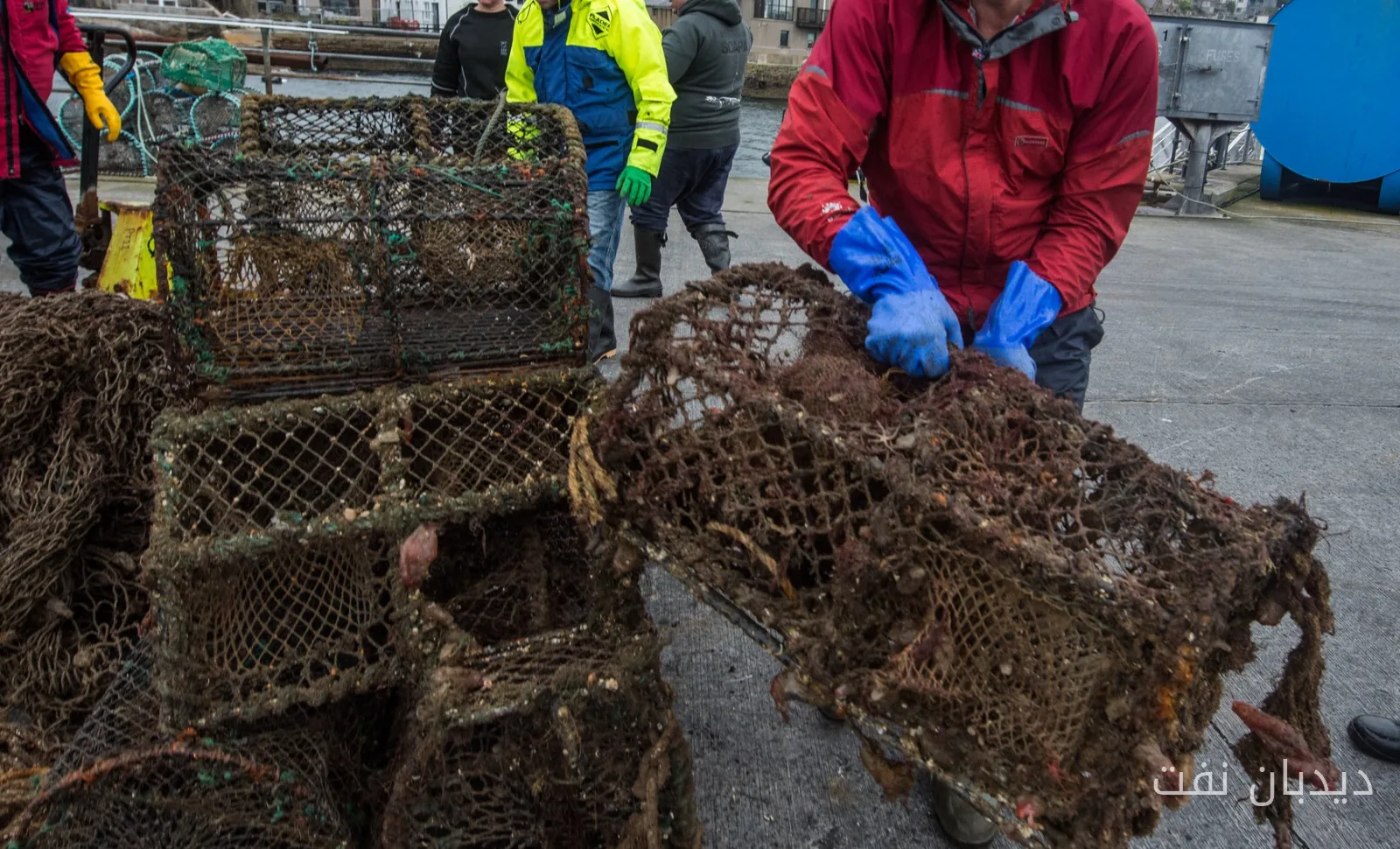
To prove its idea, GHD has engaged experienced contractors in the field of abandoned gear removal. Since regulations for such projects did not yet exist, GHD worked closely with Canadian authorities and other stakeholders to ensure all requirements were met. After 22 months of planning, engagement with officials, and operations, they removed nearly 150 abandoned crab and lobster traps from the seabed and also recovered kilometers of lost rope.
GHD believes this action has improved the health of at least eight species, including lobsters. Jesse Romo, an environmental scientist at GHD, said, "Integrating abandoned gear into the private sector as a compensatory measure creates a way to accelerate recovery efforts and integrate conservation outcomes into development projects, providing opportunities for more sustainable and effective solutions."
He also added, "We see significant potential to expand this approach beyond Nova Scotia and can turn it into a replicable model that creates measurable benefits for fisheries while providing new options for sustainable development projects." This approach could serve as a successful model in other regions of the world as well.