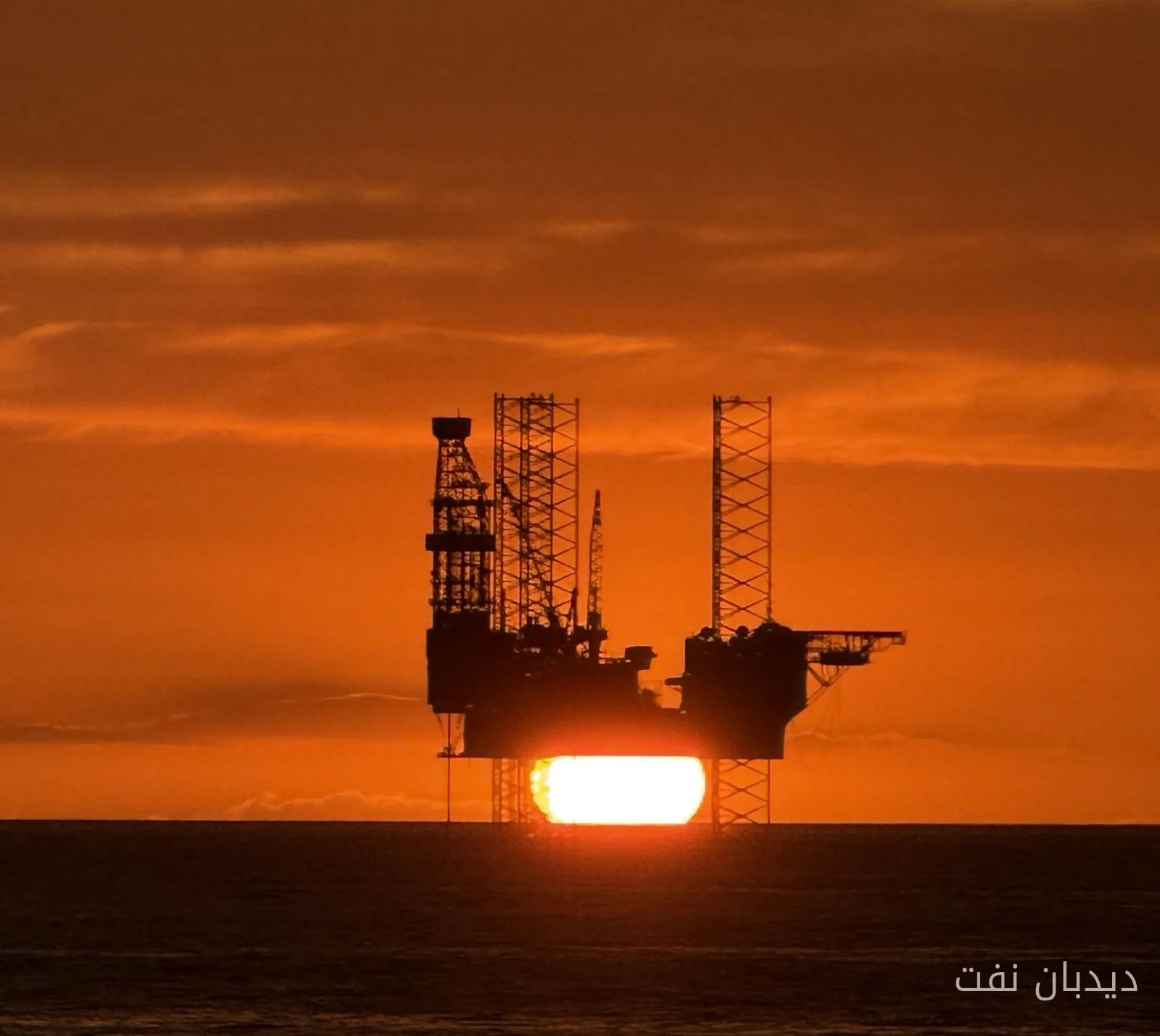
The carbon dioxide (CO2) storage project is progressing as part of carbon reduction efforts. The Northern Endurance Partnership (NEP) has achieved positive results by completing two new assessment wells named C43/30 – 2 (BC39-1) and C44/27-3 (BC37-1) in license areas CS006 and CS007. These wells provide valuable information about the deep geological formations beneath the seabed and examine the long-term CO2 storage capabilities.
Analysis of Results and Implications
The results obtained from these wells will assist in future planning, permitting, and environmental assessments, laying the groundwork for the next phase of the project's development. NEP has stated that this work will enhance the knowledge and confidence necessary to support industrial carbon reduction, attract investment, and create the infrastructure needed for a low-carbon future.
Read more: Shina Ansari: Attacks on Oil Facilities Are a Threat to Environmental Health
NEP's Future Plans
Rich Denny, CEO of NEP, stated: "The successful completion of well C44/27-3 (BC37-1) marks the end of a significant program in the CS006 and CS007 storage permits. Given the positive results from well C43/30 (BC39-1) and the collection of new seismic data, we have established a strong technical foundation for the next phase of project development." These activities demonstrate ongoing progress in developing the necessary infrastructure to support industrial carbon reduction in the Humber and Teesside areas.
NEP also intends to continue assessing and identifying these sites through 2026 and 2027. After the concept selection, the project will enter the preliminary engineering design (FEED) phase in 2027, with the final investment decision (FID) to be made in 2028. These plans clearly reflect ongoing efforts to develop the necessary infrastructure to reduce environmental impacts and create a more sustainable future.
Read more: The Blue Eclipse Tanker is Active for Environmental Monitoring on the Viking Connection in the North Sea · China Concludes the First Season of Regular Container Shipping Services in the North Sea Route