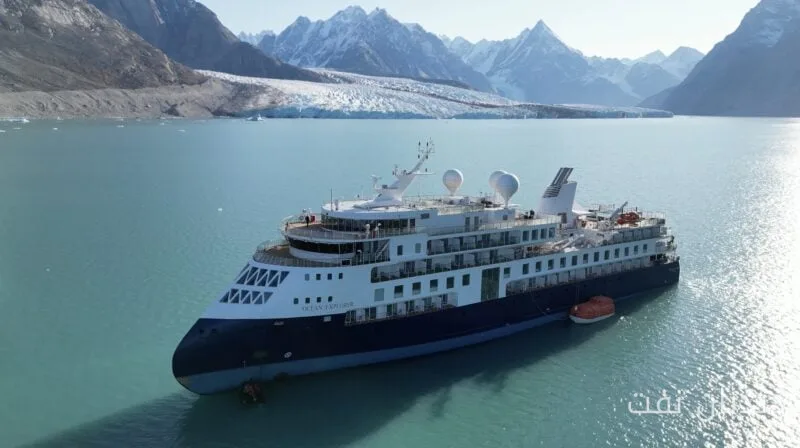
Greenland has recently decided to prohibit the discharge of wastewater from scrubber systems in its territorial waters. This decision, which was passed last month through a vote in the Parliament (Inatsisartut), could have significant impacts on the environment and maritime transportation practices in the region and beyond.
Details of the Ban
According to this resolution, the discharge of wastewater from open scrubber systems will be banned starting July 1, 2027. Additionally, closed and hybrid scrubber systems will also fall under this ban starting July 1, 2029. These restrictions require affected vessels to either use compliant fuels or retain scrubber wastewater while operating in Greenlandic waters.
Read more: Amir Ghaderi: Solar energy development in Kurdistan must be operationalized
Pressure for Global Actions
The decision of the Greenland Parliament is seen as an important step towards cleaner maritime transportation and also sends a clear message to other countries to take similar actions. Environmental experts like Kaare Pers-Christensen, senior advisor at Green Global Future, believe that this move could encourage other nations to establish similar regulations regarding environmental restrictions.
Sayan Pryer, senior advisor to the Clean Arctic Alliance, has called on the International Maritime Organization (IMO) to initiate a global ban starting from environmentally sensitive areas like the Arctic. This alliance has also urged Iceland, Norway, and Canada to adopt similar measures in this regard.
Transboundary Implications
The decision by Greenland comes in the wake of Denmark's ban on open discharges, which will take effect in July 2025. Sweden and Finland are also pursuing similar measures. These developments go beyond the OSPAR agreement in 2025, which establishes phased restrictions in ports and inland waters. This agreement currently only recommends extending these restrictions to territorial waters.
Environmental activists are also supporting a proposed green transport corridor between Nuuk and Reykjavík, which requires the use of marine gas oil for vessels. These changes could help preserve the environment and enhance maritime transportation standards in the region.
Read more: China is moving towards commercializing the green maritime transport corridor · Russia imposes restrictions on old foreign vessels in its ports