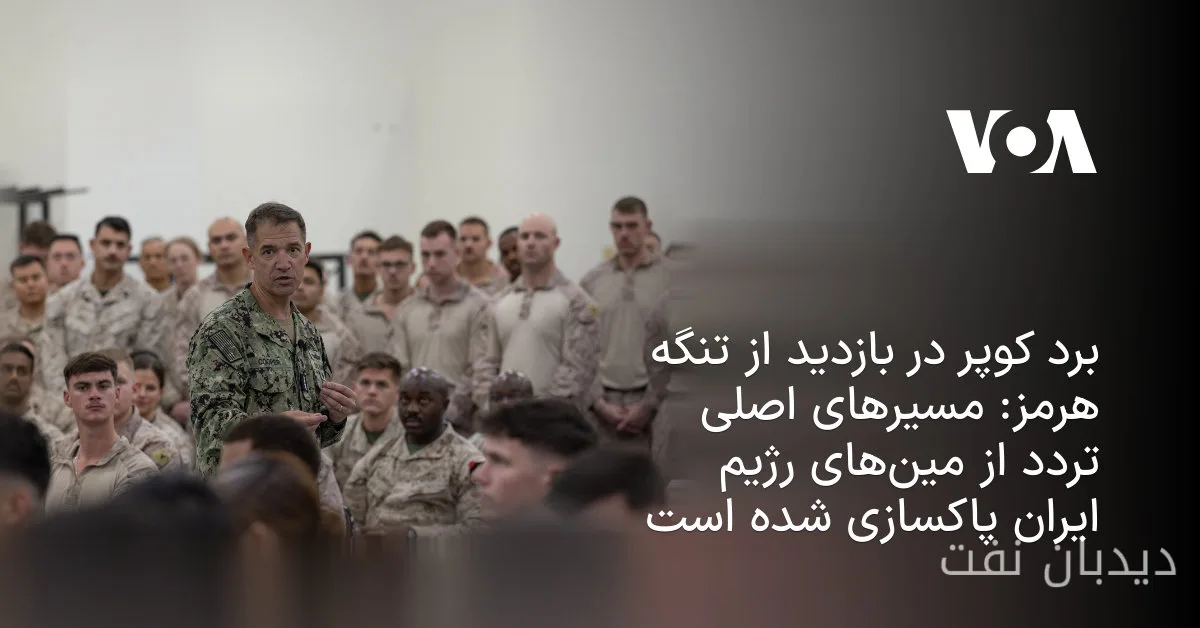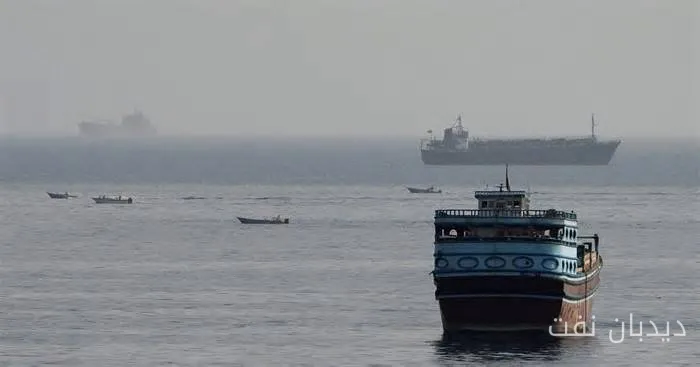
The U.S. Secretary of Energy announced that the average oil transfer from the Strait of Hormuz has reached 13 million barrels per day. This statement comes at a time when international sanctions and changes in domestic governance structures have created serious challenges for Iran's oil industry.
Governance Developments in Iran's Oil Industry
The Islamic Republic, especially during Mahmoud Ahmadinejad's presidency, fragmented the decision-making and management chain in the oil industry. Some projects were handed over to military institutions, while others were transferred to funds and quasi-governmental entities. This situation was particularly evident in the sale of oil shipments to compensate for the budget deficits of agencies outside the Ministry of Oil.
Read more: Iranian oil tanker shipment identified on the sanctions route
The fundamental problem in Iran's oil industry is not limited to sanctions and lack of capital, but also relates to governance and accountability issues. In this context, it is unclear who makes decisions, who signs contracts, and ultimately who will be held accountable. If Iran does not answer these questions, the influx of billions in investments and advanced technologies will not help improve the situation.
The Impact of Power Distribution Structure on the Oil Industry
The Ahmadinejad government, by labeling the transfer of state assets as privatization, actually fell into a form of quasi-privatization. These actions did not lead to the emergence of an independent private sector and resulted in the transfer of powers from the Ministry of Oil and its affiliated companies. For example, in 2014, the police chief announced that two oil shipments had been assigned to this force to be sold, with part of the proceeds used to cover salary shortfalls.
This type of management blurs the lines between owner, policymaker, and contractor, leading to greater disorder. In such a structure, responsibilities become ambiguous, and the efficiency of projects decreases due to the dispersion of powers.
The Khatam al-Anbiya Construction Headquarters, as the economic arm of the Revolutionary Guards, has played an important role in this regard. This headquarters has brought together a network of holdings and affiliated companies under one umbrella and has secured large contracts in many oil projects without effective competition. In this context, the assignment of oil projects to the Khatam headquarters indicates a non-transparent and complex management system in Iran's oil industry.
Ultimately, the impact of the power distribution structure and corruption in oil contracts has led to a decrease in foreign companies' trust in collaborating with Iran. Companies like Shell have halted their activities in Iran due to legal and structural obstacles and have turned to other markets.
Read more: Hassan Montazertorbati: Reforming the gas chain structure is the first step in managing imbalance · Russia can resume 80 percent of its grain export capacity in the Black Sea