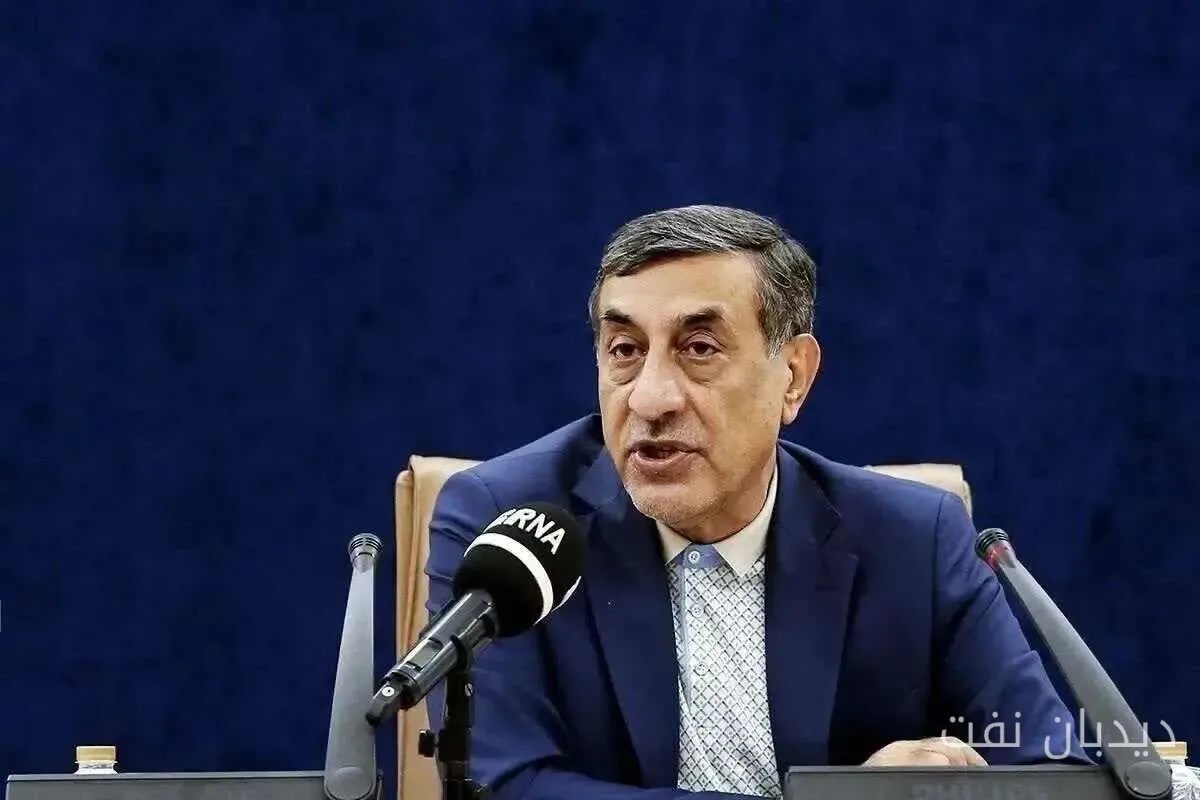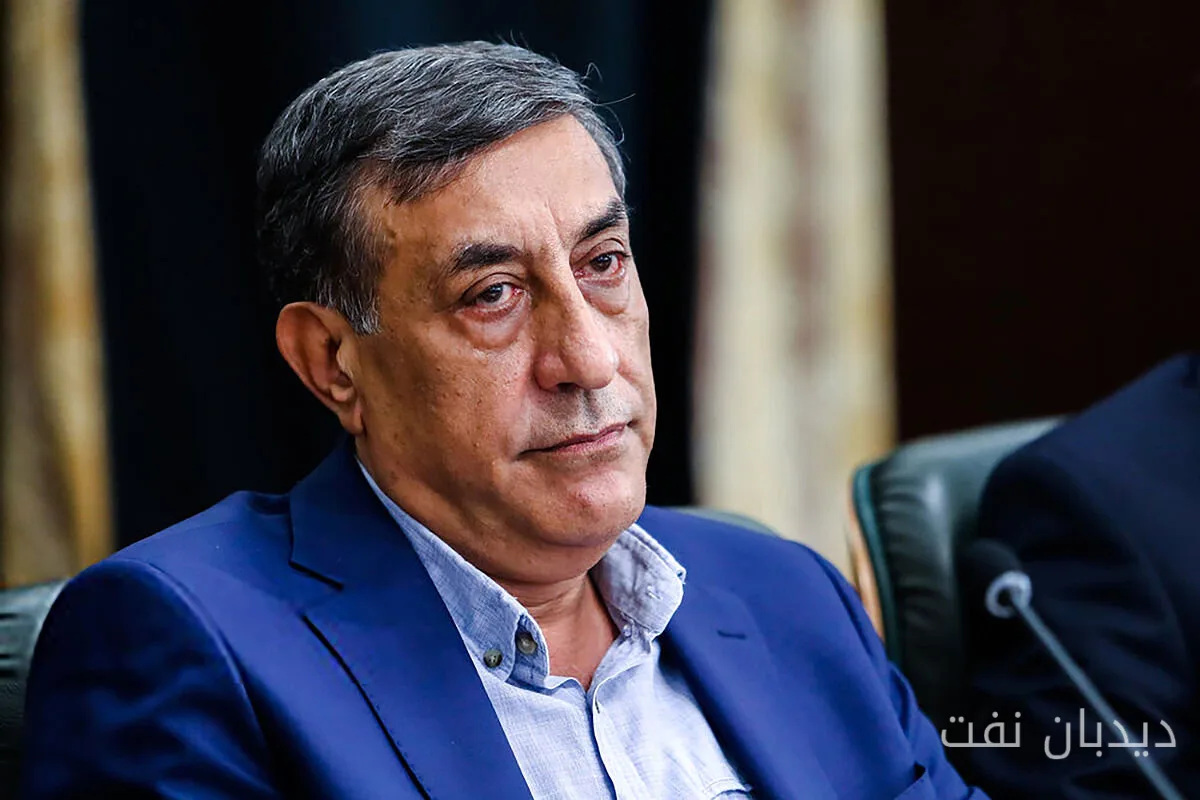
Mohammad Jafar Ghaempanah, the Executive Vice President, emphasized in his recent statements that stabilizing gasoline and diesel prices is not on the government's agenda at all. In an interview with reporters, he addressed issues related to fuel smuggling and the existing problems in this area.
Analysis of Fuel Status and Its Smuggling
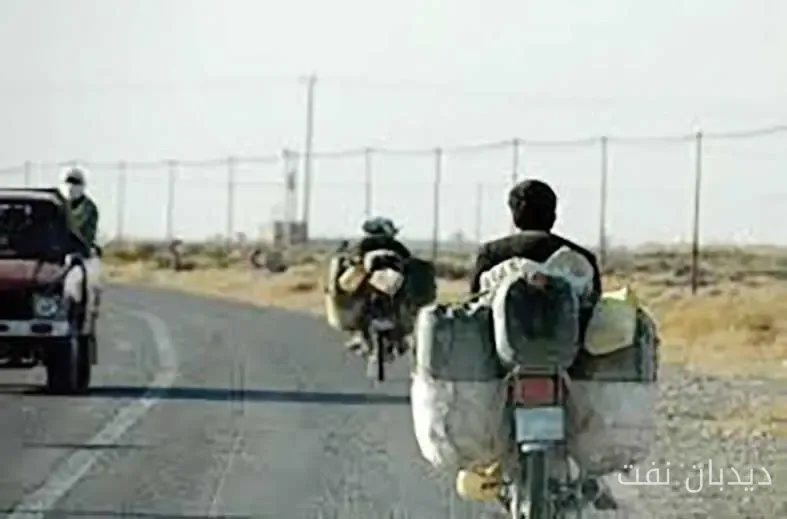
Ghaempanah, referring to his visit to the Anti-Smuggling Headquarters, mentioned the daily smuggling of 30 million liters of gasoline and diesel. He stated that the price difference between Iranian fuels and those of neighboring countries is the main factor behind smuggling. He added: "If we are looking to solve the problem of fuel smuggling, we need to stabilize energy carrier prices." These statements clearly indicate serious challenges in the fuel market and the necessity for structural changes in the country's energy policies.
Read more: German port workers opposed the ZDS proposal and resorted to voting for a strike
Fair Distribution of Subsidies
The Executive Vice President also pointed out the need for a fair distribution of fuel subsidies, stating: "Currently, wealthy individuals benefit more from subsidies while weaker segments use them less." He emphasized that to combat fuel smuggling, corruption chokepoints must be identified and reformed. Ghaempanah believes that improving economic and social conditions requires changes in energy pricing policies.
Given Ghaempanah's statements, it seems that the government is seeking long-term solutions to the problems related to fuel and currently has no plans to increase fuel prices. This approach could lead to increased stability in the fuel market and prevent widespread fuel smuggling. However, there are many challenges on the path to achieving these goals that require serious attention and action.
Read more: Fuel price increase in the United States due to refinery disruptions · Executive Vice President: The 80,000 Toman gasoline plan is not on the government's agenda