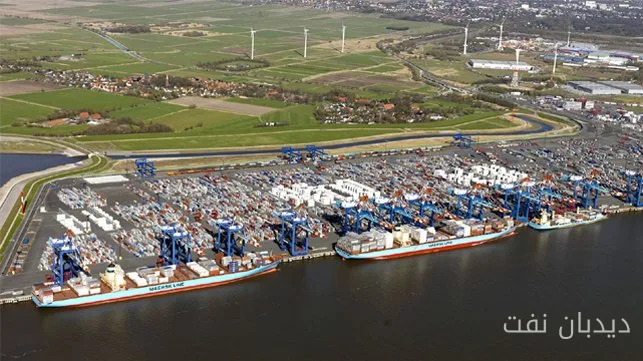
German port workers, especially in the main ports of the country, rejected the proposals put forward by ZDS (Central Association of German Port Operators), and the ver.di union decided to hold a vote for an indefinite strike. This decision was made following the failure to reach an agreement in the fourth round of negotiations held earlier this week.
Details of negotiations and workers' demands
Negotiations for a new contract began in late July, during which the ver.di union requested an 8.2 percent increase in hourly wages in a 12-month contract. In response, employers offered a two-phase increase of 5.3 percent and a one-time payment. However, it seems that the two sides still have a long way to go to reach an agreement.
ZDS presented two new options last week, one of which included a 3.4 percent increase retroactive from August 1, including container fees and holiday pay. The second option also included a 5.1 percent increase along with fees and holiday pay for 18 months, which was quickly rejected by the union.
Current status of workers and implications of a strike
This negotiation involves workers from the ports of Hamburg, Bremen/Bremerhaven, Emden, Brake, and Wilhelmshaven. Members of this union have been without a contract since July 31, and nearly 65 percent of the representative members of this group of 5,500 workers were surveyed and rejected the 12-month proposal.
The ver.di union has repeatedly called for wage increases in shorter contracts and has pointed to the increasing risks present in the workplace. The union has highlighted the dangers posed by drone flights over port facilities, stating that this situation adds more risks to a work environment already facing heavy loads, hazardous materials, and complex technology.
The voting for ver.di union members will continue until October 23. The union has announced that if at least 75 percent of members reject the proposal and authorize an indefinite strike, it will decide to declare the negotiations failed and initiate the strike.
Members of ver.di have previously held "warning" strikes, including a 24-hour strike from August 17 following the second round of negotiations. When ZDS delayed the scheduling of the third round, ver.di members again held a 24-hour strike on August 24 and 25, demanding the continuation of negotiations and new proposals.
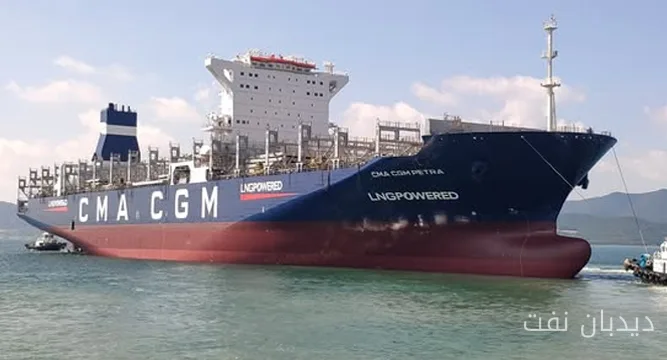
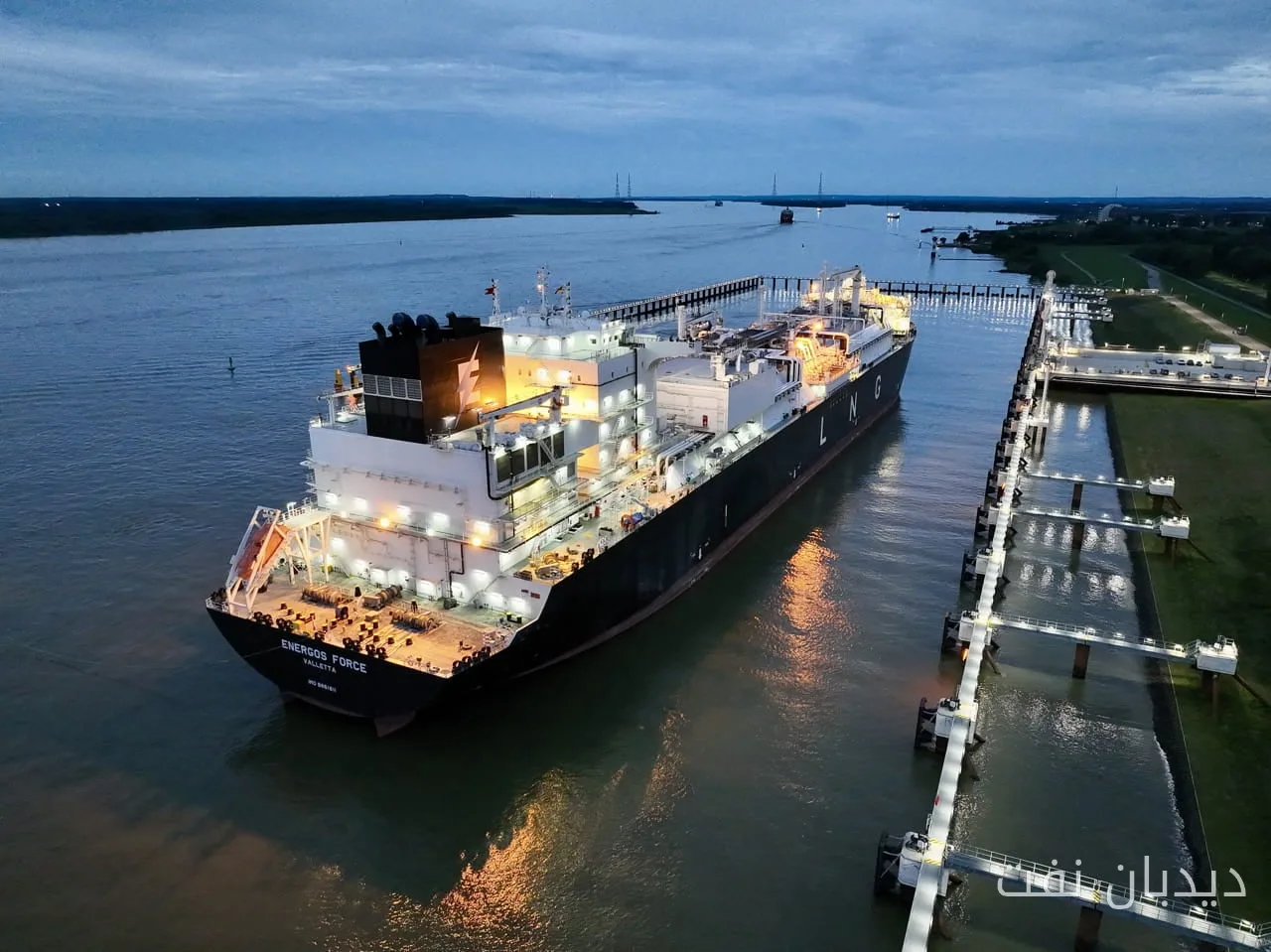
If a strike occurs, it could disrupt all major ports in Germany, while operations are already under pressure. Delays are increasing, and operators are warning about the impacts of congestion. These delays were exacerbated when Dutch port workers went on strike at the Port of Rotterdam on September 4, protesting reforms in the Netherlands' social welfare programs.
Read more: Seyed Mohammad Atabak: Energy imbalance should not hinder the completion of the production chain · Iranian oil tanker cargo is being transferred to Germany amid sanctions