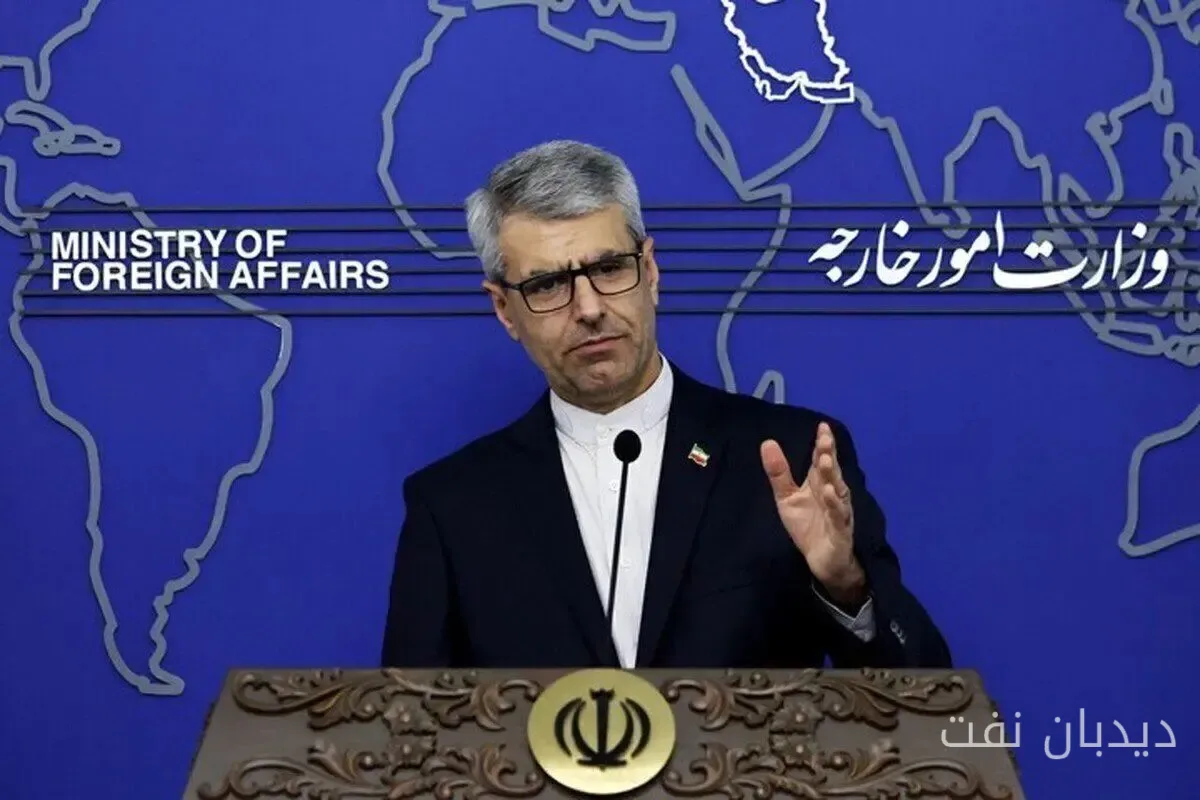
Ismail Baqaei, spokesperson and head of the Public Diplomacy and Media Center of the Ministry of Foreign Affairs, stated in the specialized meeting "Civilizational Encounter of Iran and the United States; Yesterday, Today, Tomorrow" dedicated to examining the historical, political, and civilizational dimensions of Iran-U.S. relations, that the disputes between the two countries go beyond geopolitical issues and material interests.
History of Distrust
Baqaei referred to the history of distrust between Iran and the United States in this meeting and said: "The coup of August 19 was an American coup," adding that this distrust has been formed since that time and led to the dominance of a brutal dictatorship in Iran for 25 years. He emphasized that the humiliation of Iranians by a foreign party has always remained in their collective memory.
Read more: Argentina has launched a new legal challenge against the Sea Lion oil project
The spokesperson of the Ministry of Foreign Affairs also pointed out the lack of effort by the United States to repair this distrust after the imposed war and the terrorist act against the Iranian airplane, emphasizing that the view of Iran being part of the axis of evil continues.
Analysis of the American Civilizational Perspective
Baqaei noted that the American perspective on Iran is entirely a civilizational one. He emphasized that these disputes relate to two types of character and method and two different views on politics and humanity, and understanding this reality is of great importance.
The spokesperson of Iran's diplomatic apparatus also stressed the necessity of continuing to use diplomatic tools, stating: "Interaction does not mean becoming friends," and expressed that this interaction should be conducted with awareness of the realities and the history of American behavior. He mentioned that Iranians have entered diplomacy with good intentions from the beginning, but they cannot accept being looked down upon.
In light of recent developments, Baqaei clarified that these developments have made the nature of the confrontation between the United States and Iran clearer, and it should be noted that the conflict is larger than geopolitical issues and material interests. He referred to revisiting historical experiences as a tool to prevent the future path from becoming clouded and stated that the people of Iran have focused on understanding the reality of the enemy and resisting it.
Read more: Mojtaba Tavanagar: An atomic bomb is cheaper than the costs of a great war · The United States government is paying attention to Iran's military and nuclear objectives