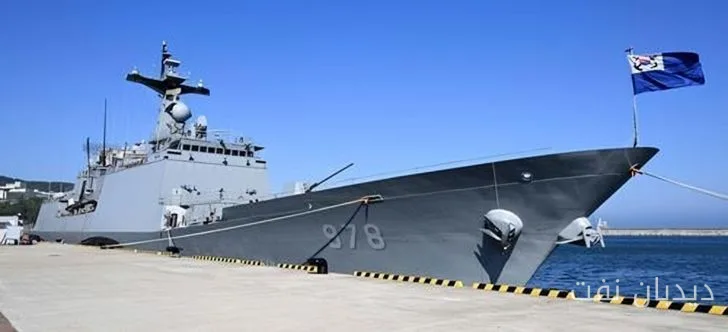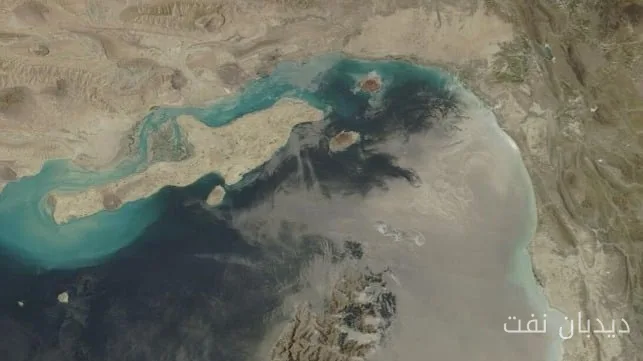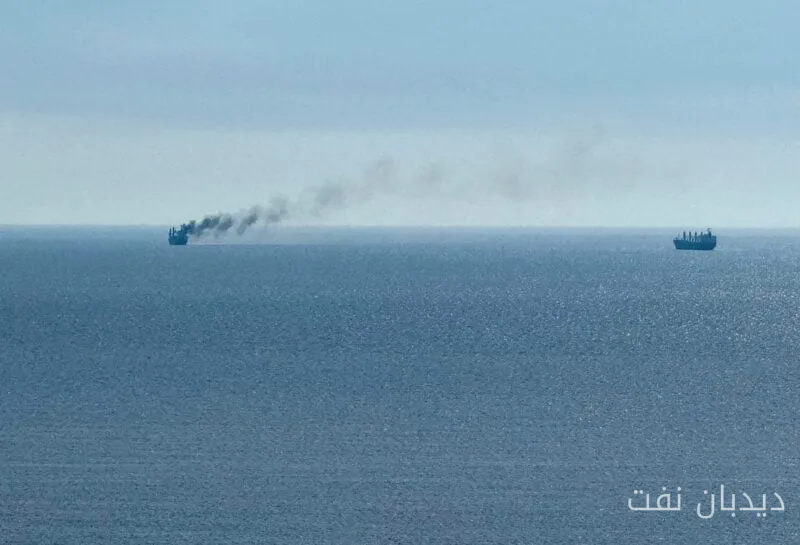
Tankers are engaged in transporting Iranian oil cargoes on specific dates, which have come under scrutiny due to international sanctions. New information indicates that some of these tankers are navigating routes that are informally designed to circumvent the sanctions.
Transfer Routes and Key Dates
Recent investigations have revealed that several large tankers have moved from Iranian ports towards international markets on specific dates. These tankers typically attempt to avoid detection and seizure by changing names and encoding information related to the cargo. For example, one of these tankers moved from Khark Port towards the Mediterranean Sea on September 15, 2023.
Impact of Sanctions on Cargo Movement
The international sanctions imposed on Iran's oil industry have had significant impacts on the movement of cargoes. These sanctions have caused tankers to navigate unusual routes and seek destinations that are less monitored. In this regard, some analysts believe that these changes could lead to increased transportation costs and reduced efficiency in Iran's oil industry.
At the same time, some oil and shipping companies involved in transporting these cargoes are seeking ways to minimize the legal and financial risks arising from these sanctions. These efforts include using more complex systems to conceal cargo information and timing movements in a way that minimizes the likelihood of detection.
Given the current state of the oil market and the impacts of sanctions, there is an increasing need for closer monitoring and analysis of tanker activities regarding the transportation of Iranian oil cargoes. This issue is significant not only for Iran's oil industry but also for the global oil market.
Read more: BIMCO reached an agreement on fuel savings in the maritime fleet · Director of the National Oil Products Distribution Company of Alborz: Half a liter of savings a day compensates for the imbalance