Mojtaba Tavangar has analyzed the high costs of war and the role of nuclear deterrence in global security. According to him, history shows that wars always incur heavy costs, and these costs can be reduced through nuclear technology.
The History of Wars and Their Economic Effects
Tavangar refers to two major wars in history; the Arab-Israeli War in 1973 and the Ukraine War in 2022. In the Arab-Israeli War, Arab countries imposed an oil embargo, causing the price of oil to rise from $2.9 to $11.65 in January 1974. Additionally, the Ukraine War raised gas prices in Europe to over 300 euros per megawatt-hour, and inflation in the European Union surged to 11.5 percent.
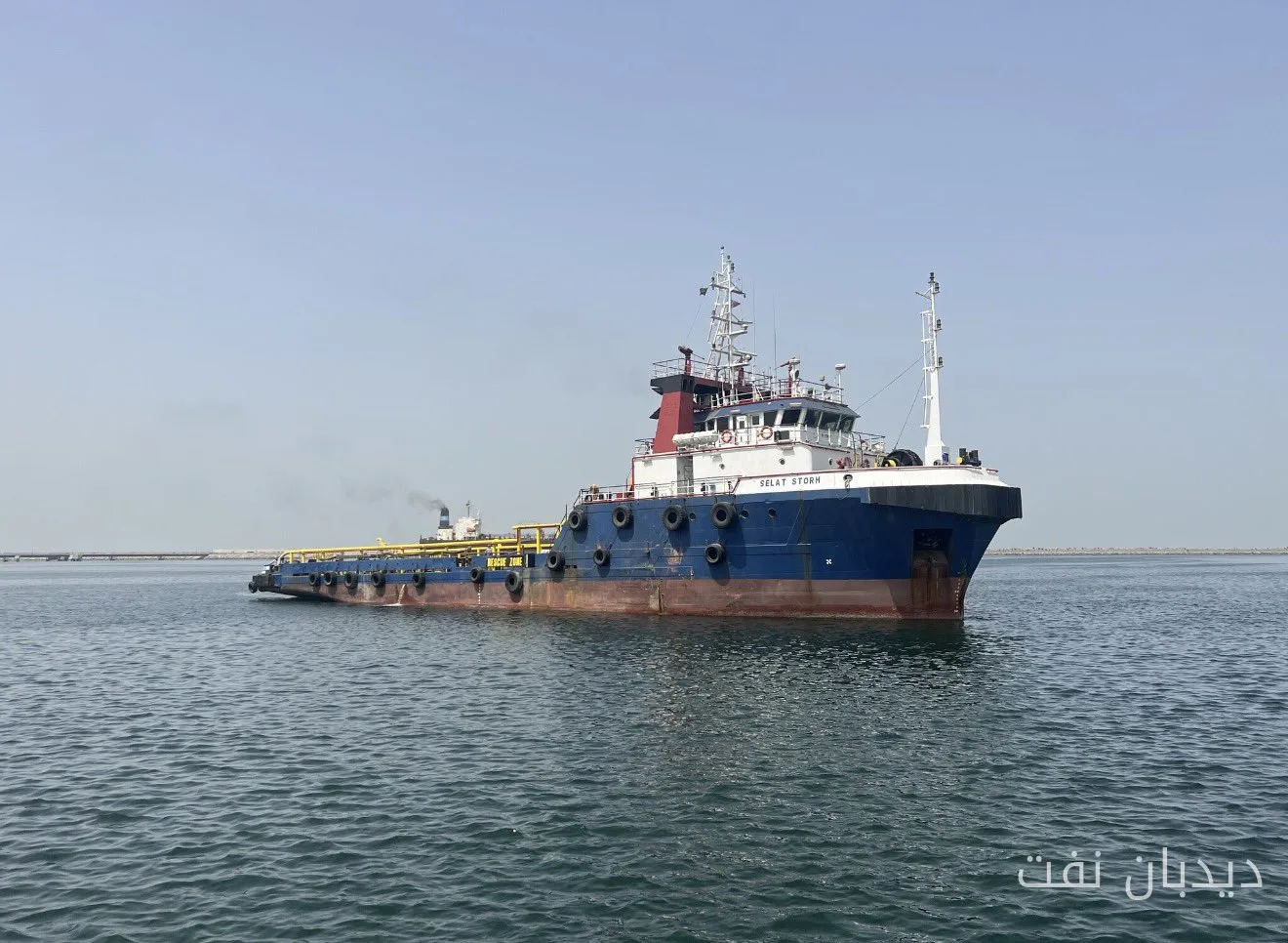
Read more: Oil tanker targeted by sticky mine attack in the Strait of Hormuz
The Role of Nuclear Deterrence
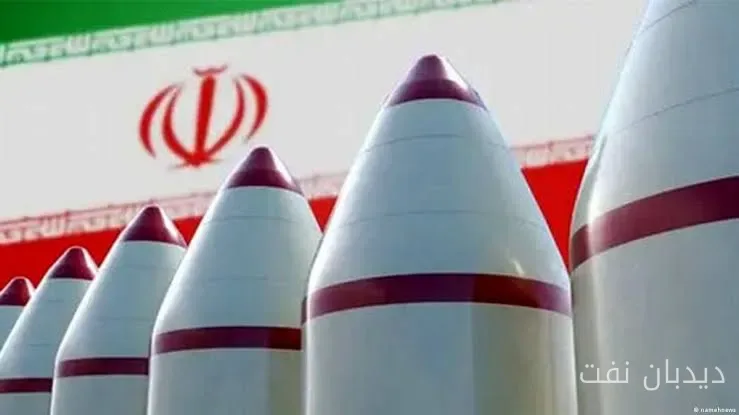
Mojtaba Tavangar emphasizes that nuclear deterrence has played an important role in preventing major wars. Since 1945, there has been no direct war between the United States and the Soviet Union. This is while leaders on both sides were well aware that direct war could lead to the destruction of both parties.
Tavangar refers to the Megatons to Megawatts agreement between the United States and Russia in 1993, in which Russia sold 500 tons of military-grade enriched uranium to the U.S. This agreement was made possible due to both countries' understanding of the dangers of war and nuclear capabilities.
He also mentions the situation in Ukraine, which, after the collapse of the Soviet Union, despite having 1,800 strategic warheads, gave them up in 1994 under the Budapest Memorandum in exchange for guarantees of independence and territorial integrity. However, in 2014, Russia annexed Crimea and launched a large-scale invasion in 2022.
Tavangar concludes that the value of the bomb lies in the fact that it should never explode, and for this reason, it can act as an insurance policy for global security. He believes that the fear of war can directly impact the economy, and credible deterrence can reduce the likelihood of major wars.
Read more: Hanwha Corporation secures $269 million contract for military ship construction · Analysis of energy subsidies in Iran and their consequences