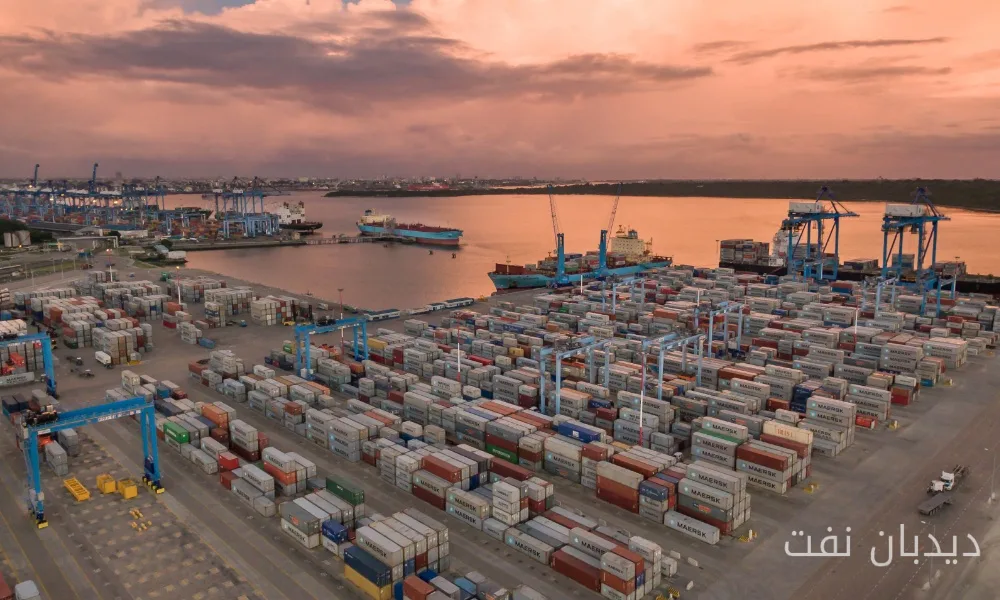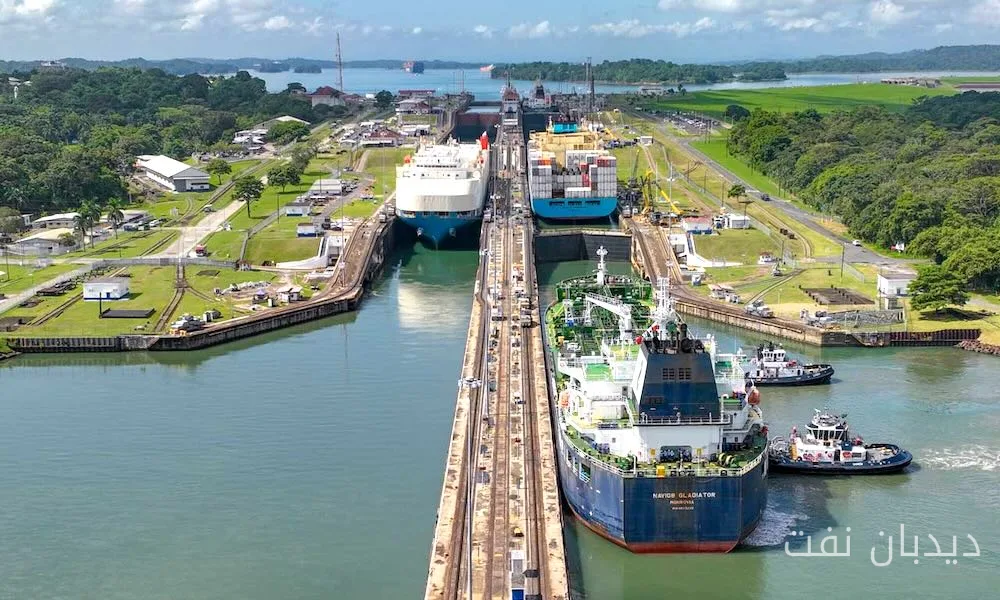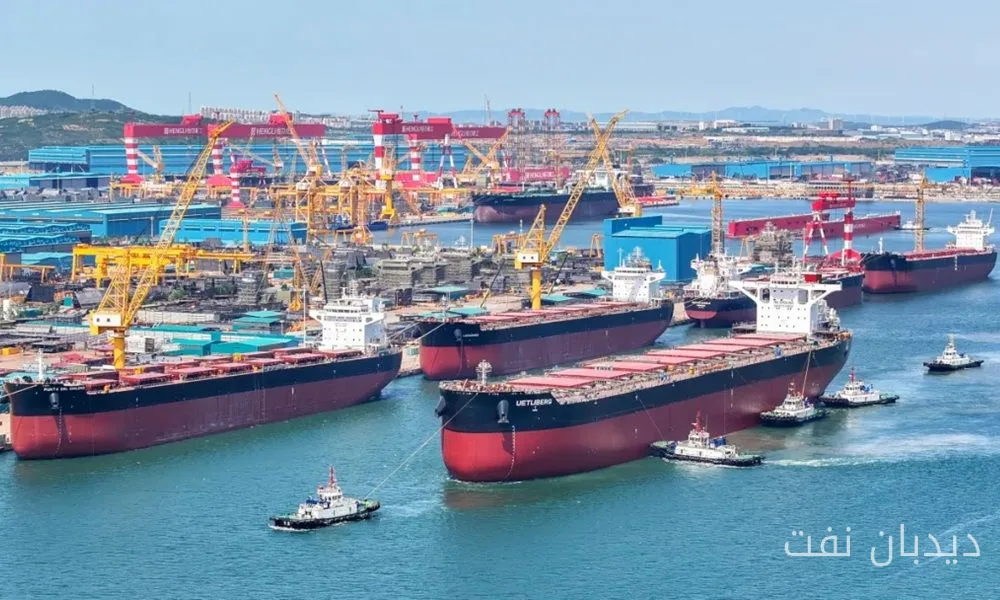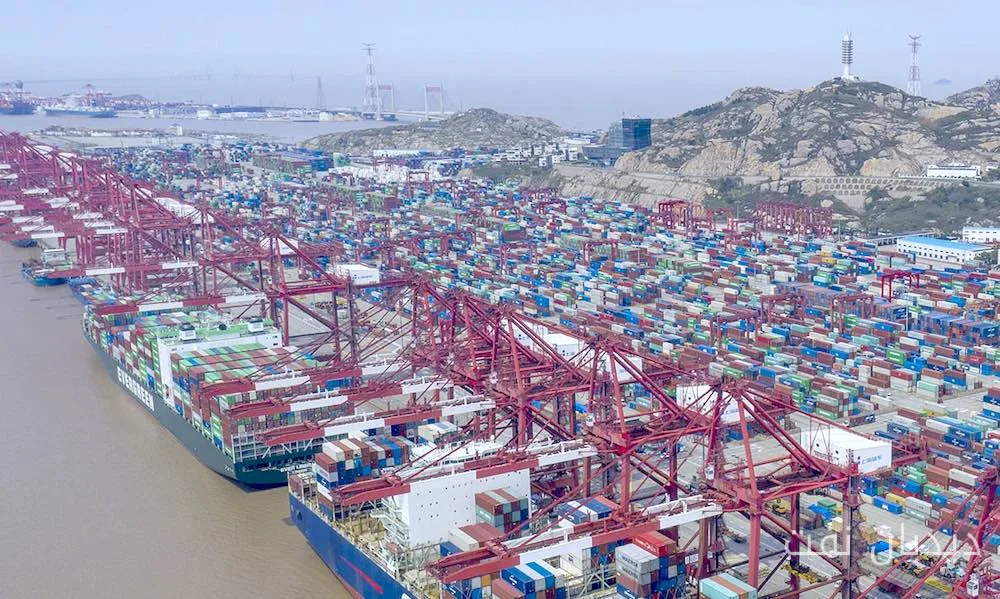
The Shanghai Shipping Exchange (بورس حمل و نقل شانگهای) has recently introduced seven new container bill of lading standards to cover major international trade routes. These standards are presented alongside an updated contractual framework that allows shipping companies and cargo owners to relate freight payments to published indices.
New Container Bill of Lading Standards
The new container bill of lading standards were introduced on October ٢٠, ٢٠٢٣, at the International North Port Transport Conference. These standards include rates for ٢٠-foot containers from Shanghai to East Africa, Central and South America, and India and Pakistan. Additionally, four other standards follow rates for ٤٠-foot containers to Europe, the Mediterranean Sea, and South and Central America.
Read more: Collecting emergency fuel cards in five provinces and new fuel supply restrictions
Updated Contractual Framework
The ٢٠-foot standards for East Africa and Central and South America will be published on a trial basis starting January ٢٠٢٥, while the other five standards will be available from May ٢٠٢٦. The official introduction of these standards in October ٢٠٢٣ marks their official release, not the first data collection of freight.
In addition, the Shanghai Shipping Exchange has introduced an updated version of the container service contract template related to the index. The ٢٠٢٦ framework expands the range of container sizes and freight indices to provide more accurate reference prices for negotiating and settling freight contracts, considering market changes. These changes enable transport companies, cargo owners, and financial institutions to have more accurate reference prices for contracts.
This exchange had introduced the index-related container contract template in ٢٠٢٣, allowing parties to refer to published freight rates when setting up business agreements. This framework is designed to reduce uncertainty in future transport costs and create a common basis for agreements between shipping lines and their customers.
The new standards significantly provide additional reference prices across container sizes and trade routes, assisting transport companies in times of market instability.
Read more: Actual reduction in energy consumption, the basis for the support of the optimization organization for executive projects · Sierra Leone launched a national shipping company with the support of China