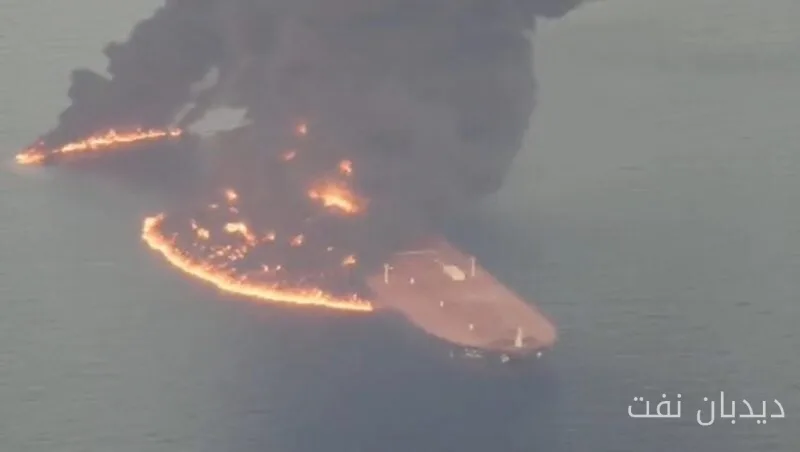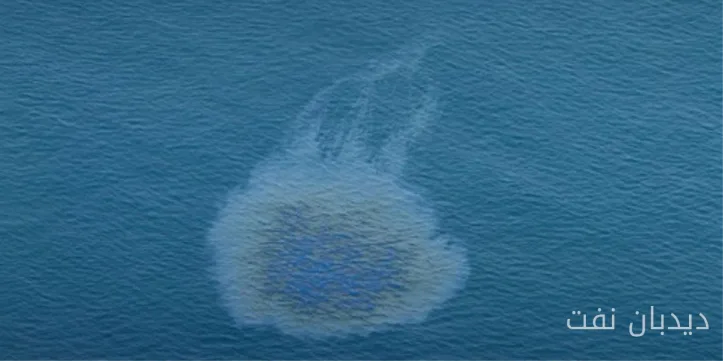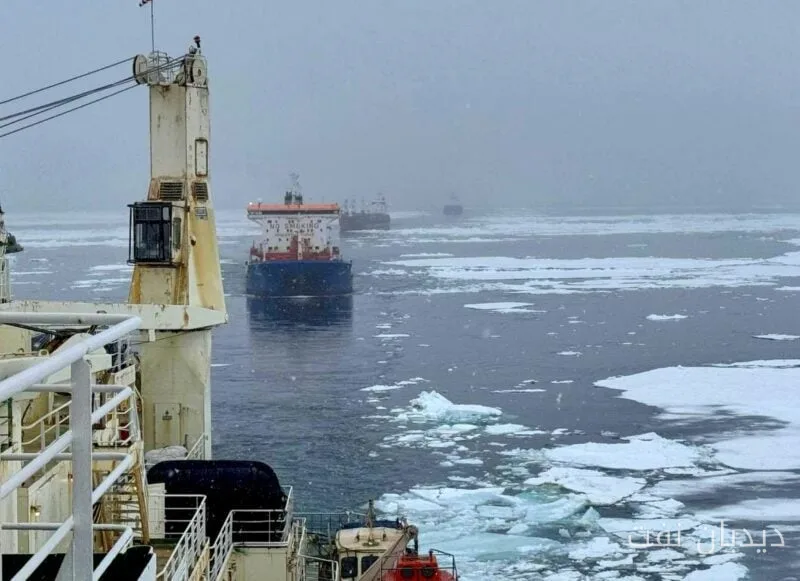
The number of shadow fleet vessels transporting Russian oil and liquefied gas through the Northern Sea Route in the summer of 2026 has increased significantly. New analyses indicate that this increase in traffic raises serious concerns about the ability to respond to incidents in one of the most remote marine transport environments in the world.
Increase in Number of Sanctioned Vessels
According to collected data, in the first two months of the 2026 navigation season, the number of sanctioned oil and liquefied gas vessels on the Northern Sea Route has surpassed the total for the entire year of 2025. This increase includes 50 oil tankers and 18 liquefied gas vessels, compared to 38 oil tankers and 13 liquefied gas vessels for the whole of the 2025 season, indicating a significant rise.
Read more: Increase in Sea Temperatures in Europe and Threat to Local Fisheries
Environmental specialists from an organization called Bellona have noted that these vessels are largely lacking suitable ice-breaking capabilities, and information about incidents in this route is becoming increasingly difficult to obtain. Of the 50 identified oil tankers, 26 have an Ice3 class or lower, or have no ice class at all.
Safety Concerns and Lack of Transparency
The increase in the number of shadow fleet vessels has raised concerns about the suitability of these ships for navigation in the Arctic. Most vessels operate under the Russian flag, with some registered in other countries such as Oman and Sierra Leone. This situation is concerning given the advanced age of many of these vessels, with 33 of them being over 15 years old.
Additionally, Bellona has pointed out that since 2025, the Russian Northern Sea Route Administration has not published any information regarding incidents and accidents in this route. This lack of transparency adds to the environmental risks posed by the larger and older fleet of vessels.
In late July, at least nine oil tankers from the shadow fleet were gathered in the Kara Sea waiting to pass through the Vilkitsky Strait. Of these, seven vessels had low ice class ratings, and only two vessels had an Arc4 ice class. This led to delays ranging from seven to 14 days.
The increasing traffic on this route not only exacerbates navigational challenges but also raises the likelihood of a lack of information in the event of incidents. For example, the Russian insurer AlfaStrakhovanie recently announced that it had paid compensation for damage to the hull of a vessel following an incident on the Northern Sea Route, but did not provide further details.
Read more: Gas Leak in Isfahan Cold Storage; Legal Notice Issued to Offending Unit · Abbas Pazouki: News on Refinery Feed Rates is Not Accurate