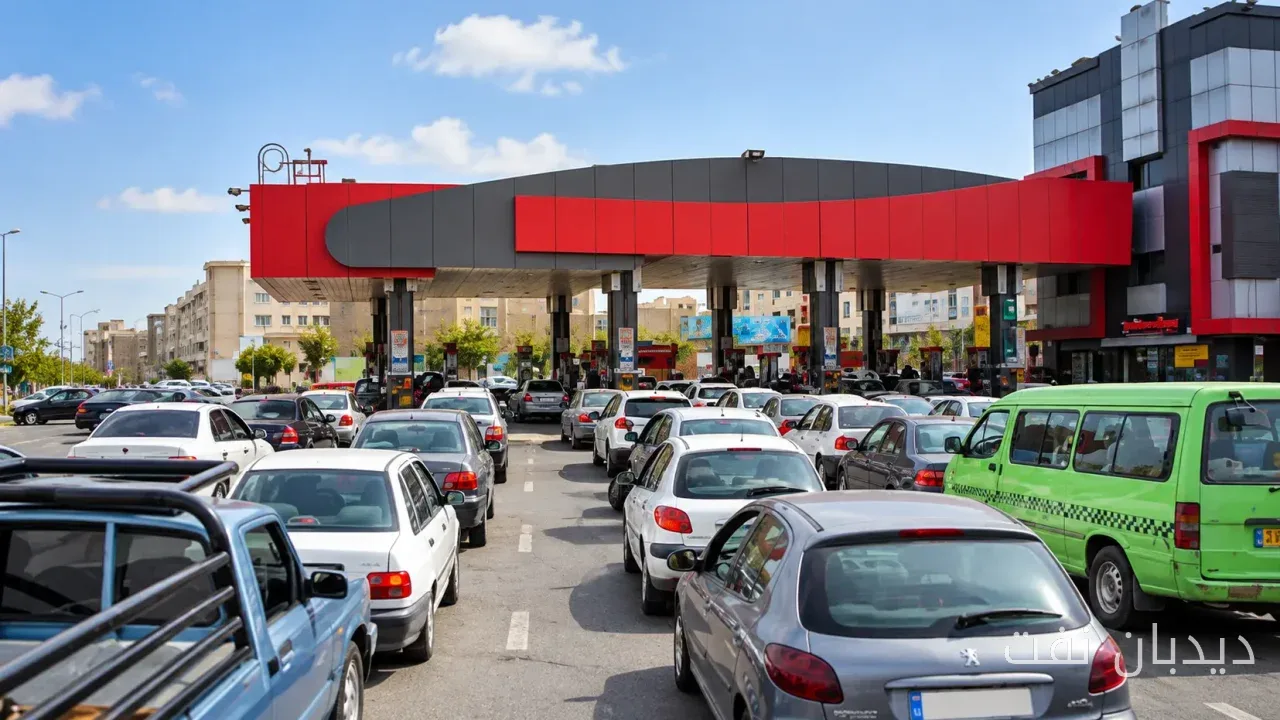
The new identity verification plan for free fuel station cards has entered the experimental phase. This plan, which aims to provide identification for transactions made with emergency cards at stations, will change the way these cards are used. In this plan, the fixed code 1111 will be removed and replaced with a bank card and a one-time password.
Objective of the Plan
The management of this plan seeks to ensure that the use of free cards is no longer an anonymous transaction and that it becomes possible to identify the user and the time of use. This change comes at a time when free cards have been discussed in recent years as one of the tools for controlling consumption and preventing fuel smuggling. By linking transactions to bank cards, policymakers will have more accurate information about how station cards are used.
Read more: Emir of Qatar: Closing the Strait of Hormuz has made the country's gas exports vulnerable
Challenges of Implementing the Plan
However, there are concerns about the impact of these changes on the refueling process. For example, if drivers are required to present a bank card and wait to receive a one-time password, the refueling time may increase. This could lead to longer queues and dissatisfaction during peak hours. Additionally, if there is a problem with the banking network or SMS system, drivers may face serious issues.
On the other hand, different users face varying conditions. Elderly individuals and those whose phone numbers are not updated may encounter difficulties in receiving the password. Furthermore, drivers of company vehicles and intercity passengers may also face challenges in this process due to lack of access to mobile phones or communication issues.
Need for Proper Communication
In implementing similar plans, one common problem is insufficient and late communication to the public. Changes in the refueling process must be communicated to drivers transparently and in a timely manner. Installing signs and training operators to inform the public before the widespread implementation of the plan is essential. Otherwise, technical adjustments may lead to public dissatisfaction.
The success of this plan does not solely depend on reducing the use of free cards; attention must also be paid to other indicators such as refueling time, the number of unsuccessful transactions, and registered complaints. Additionally, the relationship of this plan with the future use of free cards must be clearly and unambiguously stated to alleviate public concerns.
Ultimately, this experimental plan will provide an opportunity to assess its real impacts under various conditions and improve the refueling process. The success of this system will only be measurable through attention to drivers' experiences and potential issues.
Read more: Europe's gas reserves are approaching a crisis at 75 percent · The plan for identifying free fuel cards with bank identity verification has begun