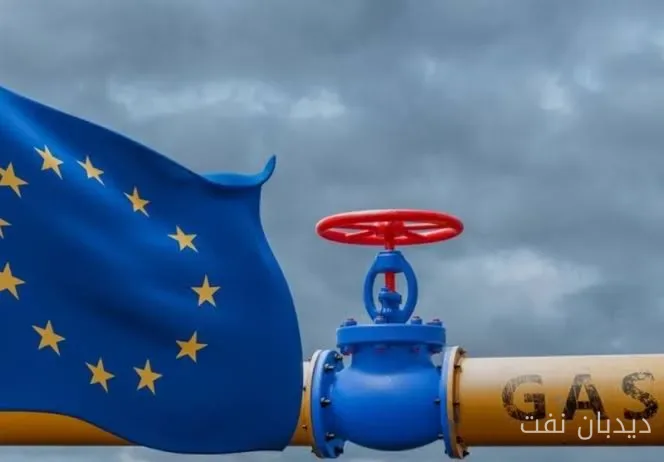
European gas reserves are projected to reach 75% to 78% due to supply disruptions and high demand, which particularly heightens concerns about rising prices during the winter season. Analysts predict that this situation will lead to serious challenges due to decreasing storage levels and reliance on imports from Norway and the United States.
Supply Disruptions and Rising Prices
This year, benchmark gas prices in Europe have increased by over 150%. This rise is primarily due to disruptions caused by traffic in the Strait of Hormuz and reduced liquefied natural gas (LNG) exports from Qatar and the United Arab Emirates. Although some countries like the United States and Canada have increased their exports, the LNG shortage in the Middle East has intensified competition to meet Europe's needs.
Read more: The Director of Semnan Telecommunications Reports a Savings of 36,000 Kilowatt-Hours of Electricity
Analysts expect that European gas storage will reach 75% to 78% by November 1 (November 11). This level is considered the end of the storage season, after which reliance on these reserves to meet winter demand will increase. This amount is 10% lower than the average storage level for the past five years.
Upcoming Challenges and Economic Consequences
Yuri Onishkiv, an analyst at the London Stock Exchange Group (LSEG), predicts that storage levels in Northwestern Europe will decrease to about 20% by early April. This situation, along with supply disruptions, could increase pressure on storage levels in 2027. Moataz Al-Talabi, a senior energy economist at ABN Amro, also pointed to supply shortages and insufficient storage, emphasizing that any disruption in supply could significantly raise prices.
ABN Amro has stated that in the event of severe cold weather during the winter, the volume of European storage could decrease by 10% to 15%, which would be critically challenging for refilling the storage. Additionally, consumers are expected to be affected by rising prices in 2027, as retail contracts are typically signed for a fixed price over a specific period.
Currently, gas tariffs for new customers in Germany have increased by an average of 55%, and existing customers are also expected to face price increases as their contracts expire. In this context, industries and businesses, especially in the European Union, are facing significant challenges to maintain competitiveness.
Read more: The Fuel Card Identification Plan to Prevent Misuse is Being Implemented · EU Gas Reserves Reach Lowest Level Since 2011