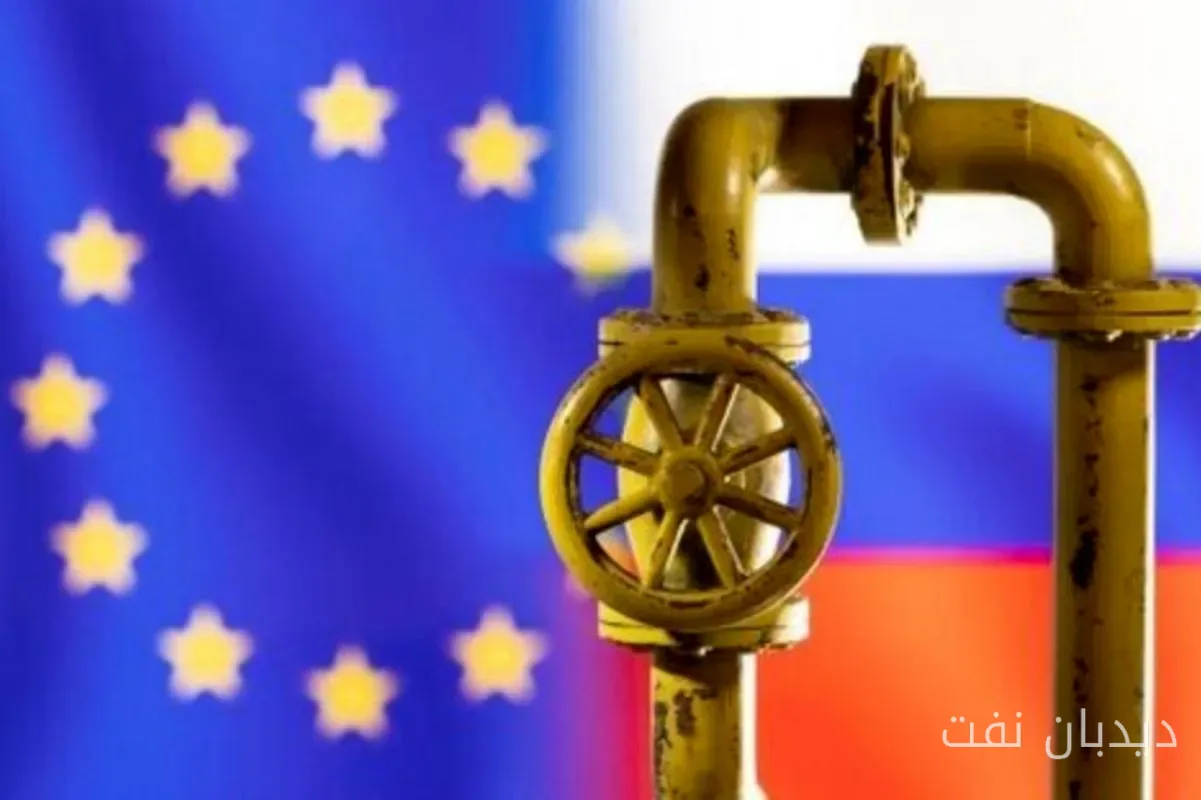
Gas reserves in the underground storage facilities of the European Union are currently just over 70%; this level is considered the lowest storage level ahead of the winter season since 2011.
Impact of Reduced Gas Imports from Russia
This decrease in reserves is due to lower gas imports from Russia following the onset of the Ukraine war. The European Union is striving to maintain its energy security by adopting various strategies. These strategies include diversifying import sources, increasing liquefied natural gas (LNG) imports, and implementing consumption reduction programs.
Concerns About the European Energy Market
As winter 2026–2027 approaches, the low level of reserves compared to the average of previous years, along with the potential increase in import demand and concerns about supply chain disruptions, has exposed the European energy market to severe price volatility and geopolitical vulnerabilities. In this context, U.S. President Donald Trump has announced that Russia will soon supply over 300,000 tons of diesel to the market, and in the coming months, this supply will increase to 500,000 tons and then to one million tons.
Trump also referenced U.S. control over the Strait of Hormuz, stating that the main goal of this action is to reduce fuel prices for American citizens, particularly in critical sectors such as agriculture, livestock, and transportation. He further emphasized the policy of preventing Iran from acquiring nuclear weapons.
In line with this agreement, the U.S. Department of the Treasury announced that, at the President's directive, a temporary and immediate license for the sale of Russian diesel to international markets has been issued. This action has faced strong reactions from Volodymyr Zelensky, the President of Ukraine, who expressed opposition to this shift in energy policies and de-escalation with Russia.