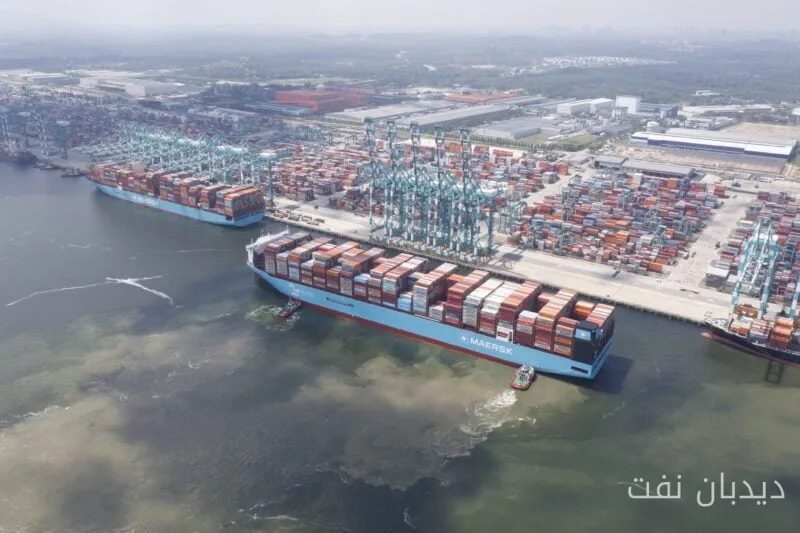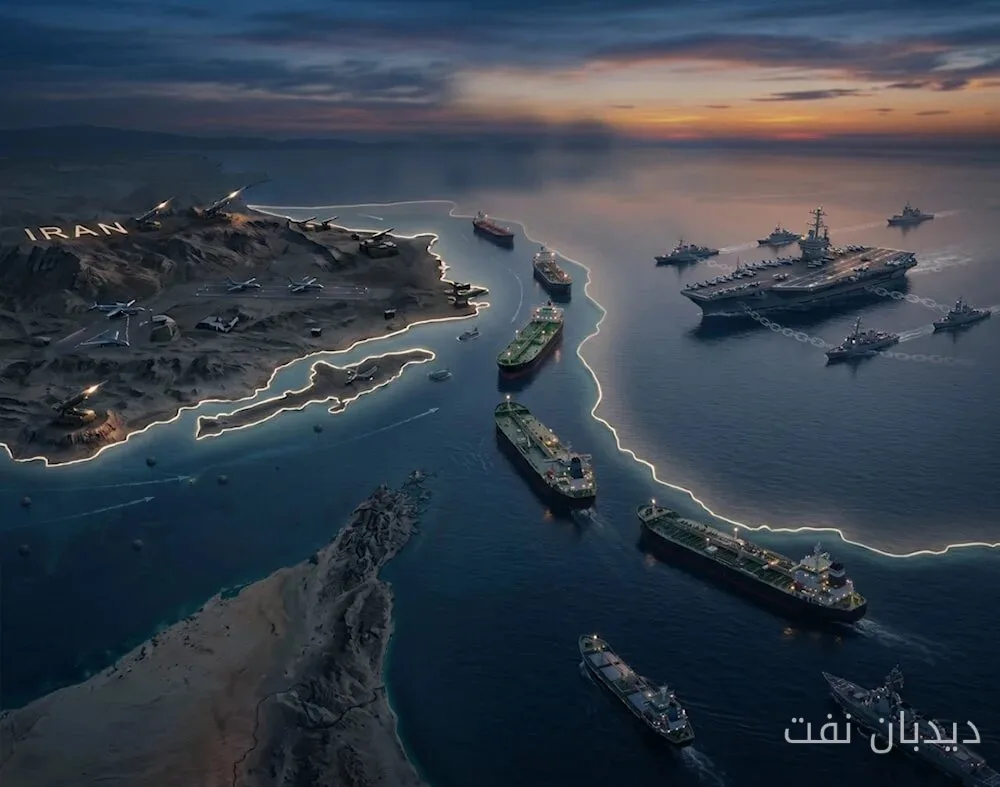
The Strait of Hormuz, as one of the most important chokepoints in energy trade globally, will transfer nearly 20 million barrels of crude oil and petroleum products daily by 2025. This narrow passage between Iran and the Arabian Peninsula, which accounts for about a quarter of the world's seaborne oil trade, is of special importance due to the high volume of energy passing through it.
Economic Dimensions of the Strait of Hormuz
Another important aspect of the Strait of Hormuz is the transfer of over 110 billion cubic meters of LNG, which is equivalent to one-fifth of global LNG trade. This situation indicates the severe dependency of global markets on this route, as a significant portion of liquefied natural gas, petroleum products, and chemical feedstocks reach global markets through this passage. Any sustained disruption in traffic through Hormuz could negatively impact the prices of essential goods and transportation costs.
Read more: Ghaempanah: Enhancing Executive Management is Essential for National Development
Future Challenges of the Strait of Hormuz
Despite efforts to develop alternative pipelines and export routes, dependency on the Strait of Hormuz in the LNG and chemical goods sectors remains very high. Approximately 93% of Qatar's LNG exports and 96% of the UAE's LNG exports pass directly through the Strait of Hormuz. This dependency becomes even more critical in situations where the global market requires energy flows and raw materials that do not have quick and low-cost alternatives.
Ali Mohammadi, an economic expert, has stated in this regard that "if we want to look at the issue candidly, we must distinguish between the importance of Hormuz in the transfer of crude oil and its significance in the global energy and goods trade chain." He also emphasized that creating alternative routes for goods like LNG and LPG is not easily achievable, and this could pose many challenges for global markets.
Given the importance of the Strait of Hormuz in the transfer of chemical goods and agricultural fertilizers, disruption in traffic from this region could exert pressure on the ammonia, urea, methanol, and other raw materials markets. According to statistics, about 34% of global urea trade, 23% of ammonia, and 45% of global methanol trade are linked to this region.
Examining the future of the Strait of Hormuz, especially in the horizon of 2030 and the increasing investments in alternative routes, is significant. Although some crude oil may be able to change its route, for many goods, rerouting is not easily feasible. This indicates serious challenges for global markets and underscores the importance of the Strait of Hormuz as a key chokepoint in energy and essential goods trade.
Read more: Expansion of Autumn Sugar Beet Cultivation to 44 Thousand Hectares in Iran · Strengthening Energy Cooperation between Germany and the UAE with a Focus on LNG Supply