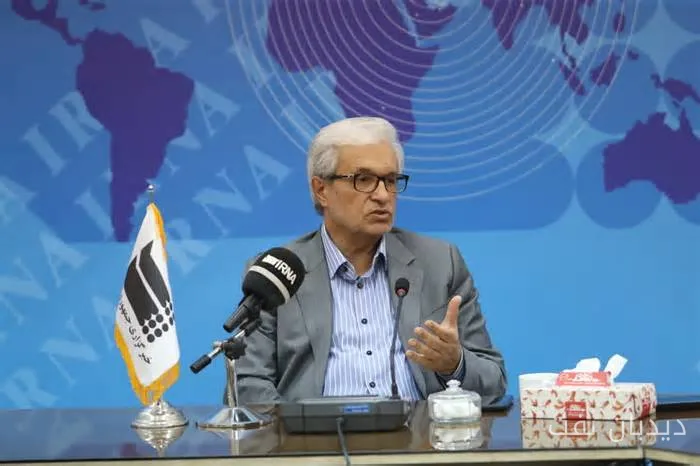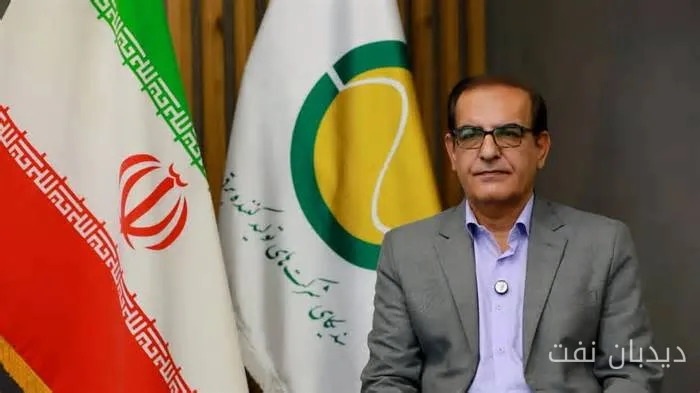
Hasan Ali Taghizadeh, President of the Private Thermal Power Producers Association, emphasized the necessity of reforming the economic structure of the electricity industry and stated: If the economic mechanisms are reformed and the conditions for investment are provided, it can be hoped that a significant portion of the country's electricity imbalance will be resolved within the next four to five years.
Dependence on Thermal Power Plants and Consumption Management
Taghizadeh pointed out that over 90% of the country's electricity production depends on thermal power plants, stating that the reduction in gas production due to the damages from the imposed war has made the importance of consumption management and providing alternative fuel for power plants even more critical. He added: The country has about 40,000 megawatts of combined cycle power plant capacity and 24,000 to 25,000 megawatts of gas power plant capacity, which can use diesel in gas limitation conditions.
Read more: Asia Break Bulk has secured four new tankers for heavy cargo transportation
The Necessity of Cooperation from Consumers in Reducing Unnecessary Consumption
Taghizadeh also emphasized the necessity of cooperation from residential and industrial consumers in reducing unnecessary consumption and adhering to the consumption pattern. He noted that the amount of electricity allocated to industrial consumers this summer compared to last summer has increased by about 40%. The Ministry of Energy's approach in winter is also to maintain the stability of electricity for residential consumers and allocate the maximum possible electricity to the industrial sector.
Taghizadeh clarified that about 4,200 megawatts of the country's power generation capacity, mainly in self-sufficient industrial power plants, was damaged due to the war, and as a result, part of the electricity that was previously produced on-site now needs to be supplied from the national grid. He also referred to the damages inflicted on about 2,000 points in the electricity production, transmission, and distribution sectors and reminded that, on average, repair operations began about one hour after each incident, and the damaged section returned to the grid.
Localization of Equipment and Market Structure Reform
Taghizadeh, referring to the localization of the power plant manufacturing industry in the country, announced that the necessary equipment for gas and combined cycle power plants, including turbines and generators, is produced domestically, and the construction of several combined cycle power plants continues in various parts of the country. He stated that the construction time for a gas power plant with two 183-megawatt units is about 14 to 20 months, and if the steam unit is completed and converted into a combined cycle power plant, this time extends to 36 to 40 months.
The President of the Private Thermal Power Producers Association also announced an approximately 80% increase in the wholesale electricity market ceiling for the year 1405 compared to 1404 and stated: This increase has been achieved through the efforts of the association and the support of the Minister of Energy and his deputies, creating better conditions for electricity supplying power plants.
Taghizadeh concluded by emphasizing that the electricity imbalance is not due to a lack of technical knowledge or production capacity of equipment, as Iran possesses significant engineering capacity in the field of electricity production, transmission, and distribution. He also mentioned the serious problems faced by about 12 private power plants in repaying the installments of the National Development Fund loans and stated that to maintain the stability of electricity supply, the country's production capacity needs to increase by about five percent annually. According to him, reforming the economic structure and creating appropriate returns for investment can help resolve the country's electricity imbalance.
Read more: Russia imposes restrictions on old foreign ships in its ports · Hasan Ali Taghizadeh: Reforming the electricity economy is a condition for resolving imbalance and attracting investment