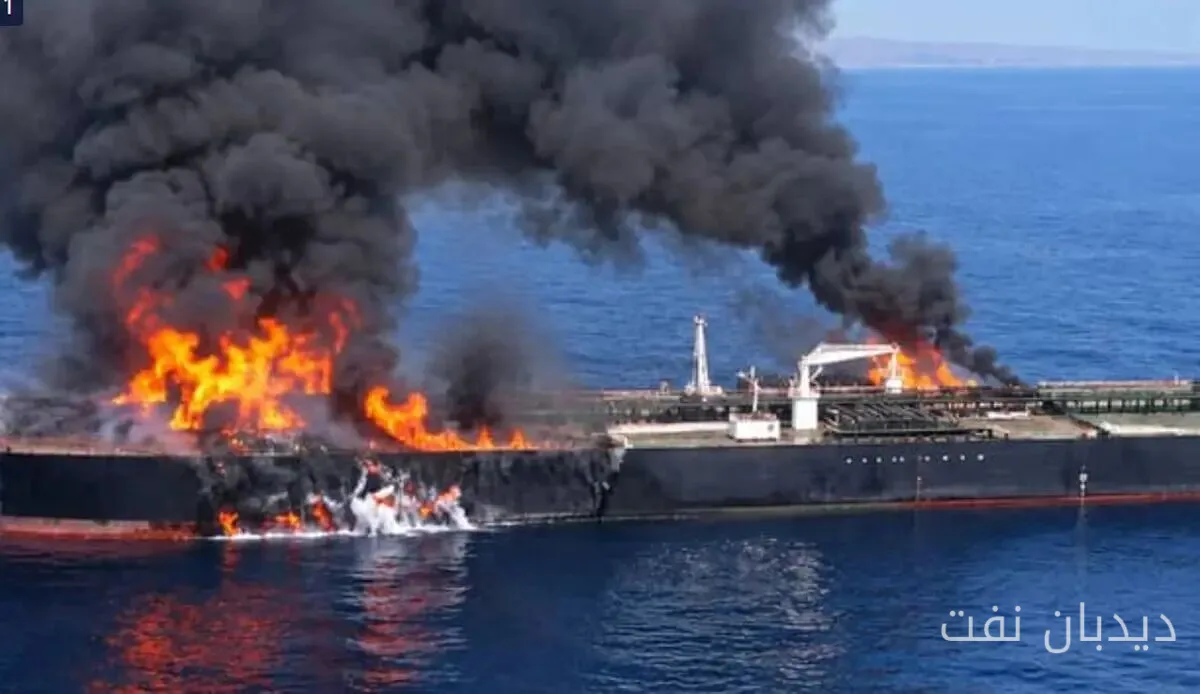
The global diesel shortage due to damage to refineries in the Middle East and Russia has become one of the main challenges in the energy market. According to forecasts, this crisis will continue until 2027 and will lead to fuel supply constraints.
Reasons for the Diesel Crisis
The damage to refineries in the Middle East and Russia in recent years has significantly impacted the production and supply of diesel. These damages have been caused by various factors including sanctions, political instability, and natural disasters. These issues have prevented refineries from reaching their full capacity, directly affecting the amount of diesel supply.
Read more: U.S. lawmakers warn about Russian diesel shipments to ports and banks
Ongoing Consequences of the Crisis
The continued diesel shortage could have widespread consequences for various industries, including transportation and manufacturing. With the rising demand for fuel globally, prices are expected to increase significantly. This price increase could lead to higher production costs and difficulties in securing fuel for the transportation fleet.
Moreover, the diesel shortage could negatively impact economies that rely on this energy source. Countries that are heavily dependent on diesel imports may face serious challenges, which could lead to economic instability in these countries.
Read more: Shawest Group acquires Horizon Maritime in Canada · Russia predicts a doubling of transit cargo in the Northern Sea Route by 2026