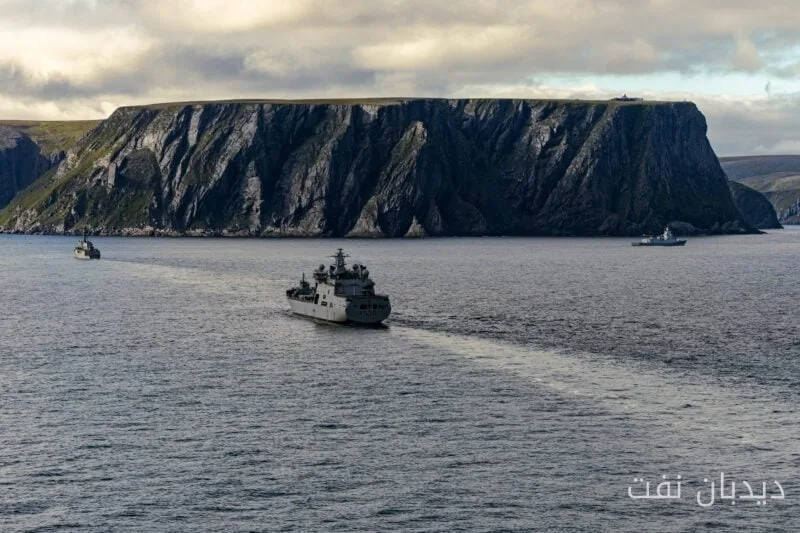
Russia predicts that transit cargo in the Northern Sea Route (NSR) will exceed 7 million tons by 2026. Vladimir Panov, head of the Arctic department at the state nuclear company Rosatom, announced this news on October 27, emphasizing that this figure represents a significant increase in Arctic maritime transport despite Western sanctions.
Significant increase in transit cargo
Panov stated that total cargo traffic on this route is expected to reach a record of over 40 million tons. He said, "The Northern Sea Route has two competitive advantages – efficiency and security." He added that the summer-autumn route between Asia and Europe is 30 percent shorter than the passage through the Suez Canal.
Read more: Russian oil exports hit lowest level in the past month
Transit cargo that does not include goods extracted from the Arctic region of Russia is considered a small but growing segment of the overall traffic. Russia's forecast for over 7 million tons of transit cargo means nearly doubling the volume from last year.
The role of oil shipments in increasing traffic
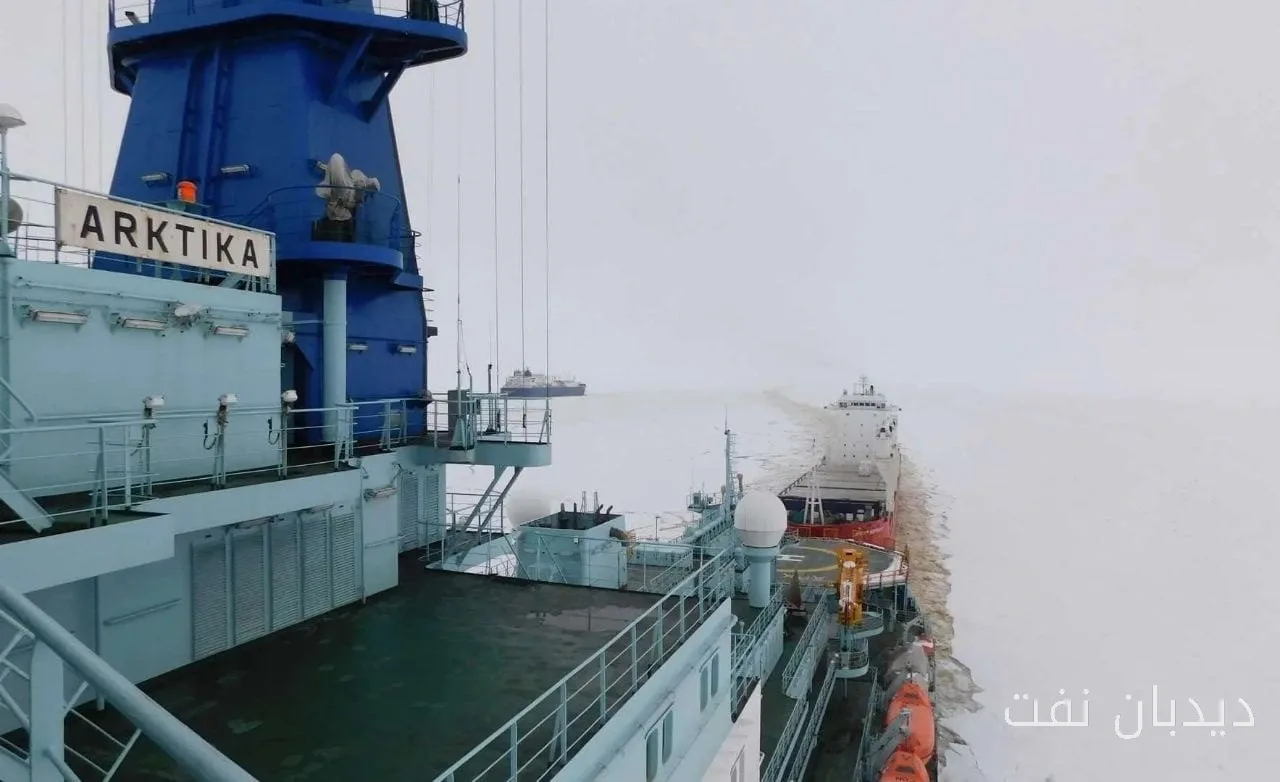
Oil shipments are recognized as the main driver of traffic increase this year. In an unprecedented operation in the Arctic in August, a convoy consisting of at least 15 ships, including eight oil tankers, moved north of the Severnaya Zemlya archipelago to navigate through the icy conditions of the Vilkitsky Strait. This maneuver took the ships above 81.5 degrees north and covered a route nearly 1000 kilometers longer than the usual passage. Russian oil shipments through the NSR recorded about 20 million barrels between the start of navigation in July and mid-October, which is nearly 50 percent higher than the total for last year.
However, traffic growth on the Northern Sea Route has not met the Kremlin's initial targets. Vladimir Putin, the President of Russia, had set a target of 80 million tons of cargo by 2024 and predicted that annual traffic could increase to 70 to 100 million tons by 2030.
Western sanctions have delayed the development of several major oil and gas projects in the Arctic and imposed restrictions on cargo volumes. Nevertheless, recent statistics indicate that Moscow continues to develop this route and is steering trade towards Asian markets.
Read more: Brent oil price drops to $114 amid diplomatic developments · Extension of tariff exemption for Chinese ships by the U.S. Trade Representative