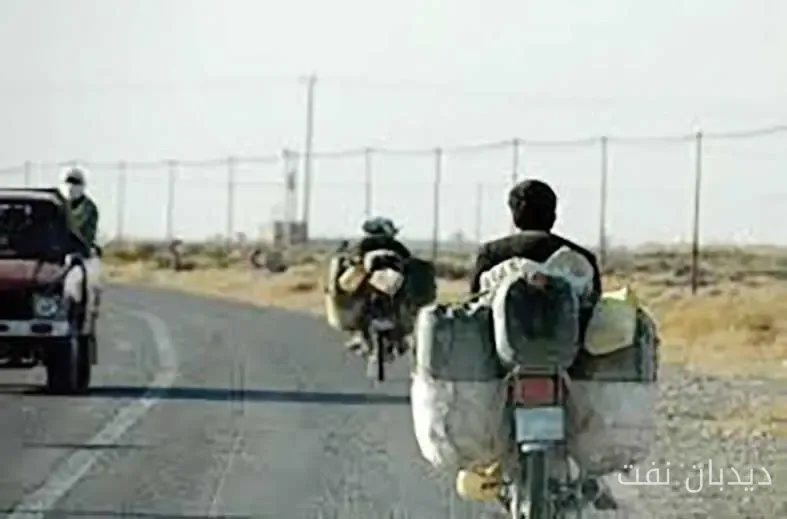
Fuel quota restrictions in Sistan and Baluchestan, one of the country's most deprived provinces, have led to the formation of a black market for fuel. According to received information, the price of each liter of fuel in this market has reached 100,000 to 120,000 tomans.
Background and Current Situation
The fuel quota control policy, implemented to curb fuel smuggling, has, according to local activists, also affected ordinary citizens. Daily, at least 20 million liters of subsidized fuel are smuggled out of the country's borders, with 60 percent of it coming from the southeastern borders. Meanwhile, more than half of the province's population, or 51 percent, are rural residents who are facing difficult conditions due to the lack of public transportation.
Read more: Seyed Mohammad Atabak: Energy imbalance should not hinder the completion of the production chain
Social and Economic Impacts
In Sistan and Baluchestan, the distance between villages and service centers is so great that residents must travel dozens of kilometers to access medical and administrative services. This survival equation has significantly increased travel costs for households, and the current fuel quota does not meet their daily needs at all. Residents state that the new restrictions on fuel quotas have not only raised prices but have also fueled an increase in fuel smuggling.
Policy Response and Challenges
In recent months, the Ministry of Oil has approved a regulation under which fuel quotas will be deposited into the smart cards of all personal vehicles in the province, and free fuel cards will gradually be eliminated. This action aims to cut off access for unofficial intermediaries to the public quotas at stations. However, local activists believe that these changes will create new problems, especially for individuals lacking the necessary identification documents to receive quotas.
Overall, the current conditions in Sistan and Baluchestan require special attention, and new policies must be designed to consider the real needs of the people. Otherwise, the social and economic consequences of these policies could lead to increased dissatisfaction.
Read more: Barsavash Trading Company has successfully received type approval for the 2026 Lexus RX 350 AWD · Mousa Ahmadi: The new refueling plan with bank cards is currently being implemented