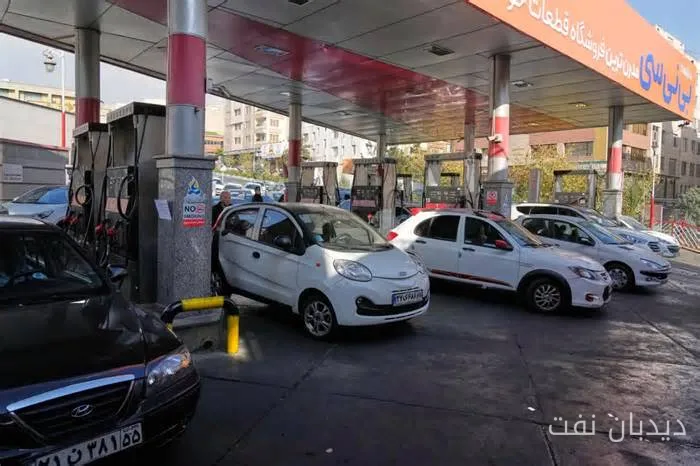
Mousa Ahmadi, a member of the Energy Commission of the Parliament, detailed the new refueling plan with bank cards, stating that this plan is being implemented to clarify consumption and control fuel smuggling. According to him, this plan focuses on using smart tools and improving oversight on consumption rather than sudden price changes.
Details of the implementation stages of the refueling plan
Ahmadi explained that the new fuel organization is designed in three stages. In the first stage, this method was tested in a number of stations. The second stage has expanded its implementation to about 3,000 stations. In the final stage, the possibility of using bank cards for refueling will be provided at all stations across the country.
Read more: Vice President: Improving executive management is a prerequisite for national development
This plan, aimed at registering transactions and paying for fuel intelligently, can provide better oversight on fuel consumption and help combat fuel smuggling. Ahmadi also referred to rumors about reducing the 1,500 tomans gasoline quota and emphasized that these rumors are not true.
Eliminating rumors and emphasizing transparency
The member of the Energy Commission of the Parliament further stated that using bank cards for refueling does not have specific limitations, and reports about a 100-liter limit for 10,000 tomans gasoline are incorrect. He emphasized that these actions are in line with the seventh development plan, with the ultimate goal of gradually shifting from free station cards to the use of personal and bank cards.
Thus, the new fuel management plan aims to create a clearer network for gasoline distribution and change the refueling methods for millions of drivers in the future. This plan not only seeks to avoid immediate price changes but also aims to change the oversight methods on consumption and create more efficient infrastructures for fuel management.
Read more: The mining sector's share of the country's fuel consumption is 2 percent · Ahmadi: Gasoline consumption management with bank cards is underway