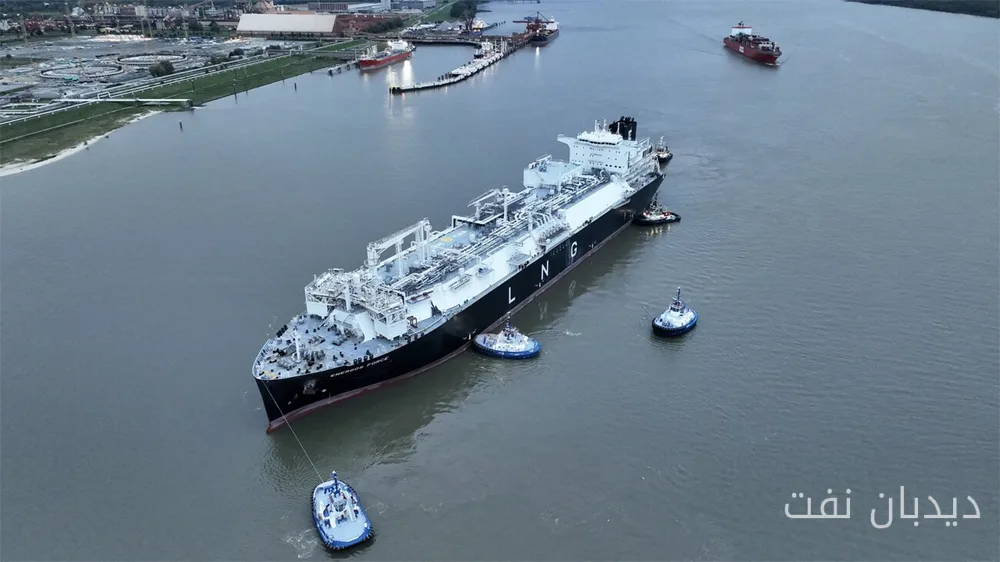
Europe's gas reserves have reached 69% of their capacity. This level is considered below expectations compared to historical averages and seasonal needs, especially in the winter months. Gas reserves are seen as a vital source for energy supply during the cold season, and a reduction in these reserves could lead to price increases and further tensions in the energy market.
Background on Gas Reserve Status
Europe is facing serious energy challenges due to reduced gas imports from Russia and increased demand to meet seasonal needs. Gas reserves act as a buffer against supply shocks and price fluctuations in the winter season, and currently, gas reserves are below historical averages. This situation could lead to price increases and energy crises in European countries.
Read more: Seyed Ismail Hosseini: Power Plants Will Be Supplied with Liquid Fuel for Winter
Consequences of Reduced Gas Reserves
The 69% level of Europe's gas reserves has raised concerns about energy supply in the upcoming winter. Rising prices and reduced access to energy resources could impact various industries as well as the daily lives of people. This situation may compel governments to take measures for better management of energy resources and to meet consumer needs.
Read more: Ehsan Jan Mohammadi: CNG Prices Will Not Increase · Iran Faces Energy Imbalance and Infrastructure Challenges