Iran, with over 208 billion barrels of proven oil reserves and nearly 34 trillion cubic meters of gas reserves, despite possessing significant underground wealth, faces serious challenges regarding energy imbalance. This imbalance is not only related to a shortage of resources but also stems from the gap between production capacity and the reliable energy available for consumers.
Energy Crisis and Its Impacts
The gas imbalance severely pressures electricity production, and this reduction in output limits the activities of industries dependent on the power grid. On the other hand, the gasoline imbalance increases transportation costs, putting additional pressure on the prices of goods and services, directly affecting household livelihoods. Energy wastage in production, transmission, and distribution not only exacerbates the imbalances but also becomes a factor for increasing the need for more production.
Read more: The Coalition Government Against Structural Challenges and Social Crises
Infrastructure Challenges and Investment
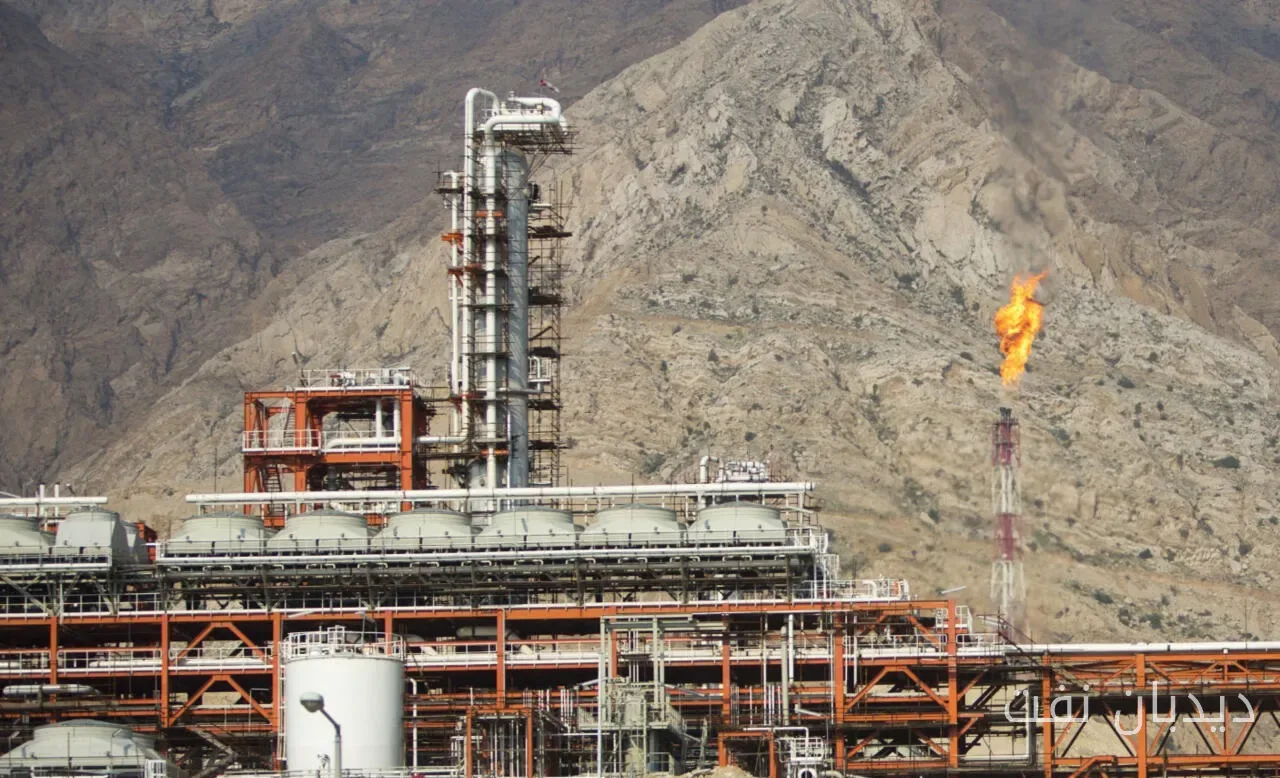
The important point is that even Iran's largest gas field, the South Pars gas field, requires continuous development and maintenance. This field, as the backbone of the country's gas supply, will soon face the challenge of reservoir pressure decline. Therefore, making urgent decisions and implementing serious programs for pressure enhancement and the development of other gas fields, including North Pars and Farzad, is essential. Without appropriate investment and technology, these vast underground reserves will not be converted into producible gas.
In the gasoline imbalance, merely increasing production capacity is not sufficient. Growing demand and an inefficient fleet put additional pressure on refineries. As a result, special attention must be paid to modernizing the fleet and gradually reforming the fuel economy. Similarly, in the electricity sector, installed megawatts alone cannot guarantee energy security. The actual capacity of the grid for producing and transmitting electricity during peak consumption hours is decisive.
Ultimately, energy losses in the electricity grid, resulting from equipment aging and unauthorized consumption, increase the severity of the imbalance. According to statistics from the International Energy Agency, electricity transmission and distribution losses in Iran are estimated to be around 10 percent in 2023. These losses increase the need for more production and exacerbate the imbalance.
Read more: The Head of the Energy Commission Will Not Reduce Gasoline Quotas · Attention to Fuel Supply Challenges for Khorasan Razavi Mines in the Seventh Development Plan