In recent years, the Middle East has turned into a scene full of tension and conflict. The tensions have a long and complex history, with roots going back centuries. However, what is happening today may be more than just a simple conflict; it is a serious crisis that could have widespread repercussions for the entire world.
Historical Roots and Current Context
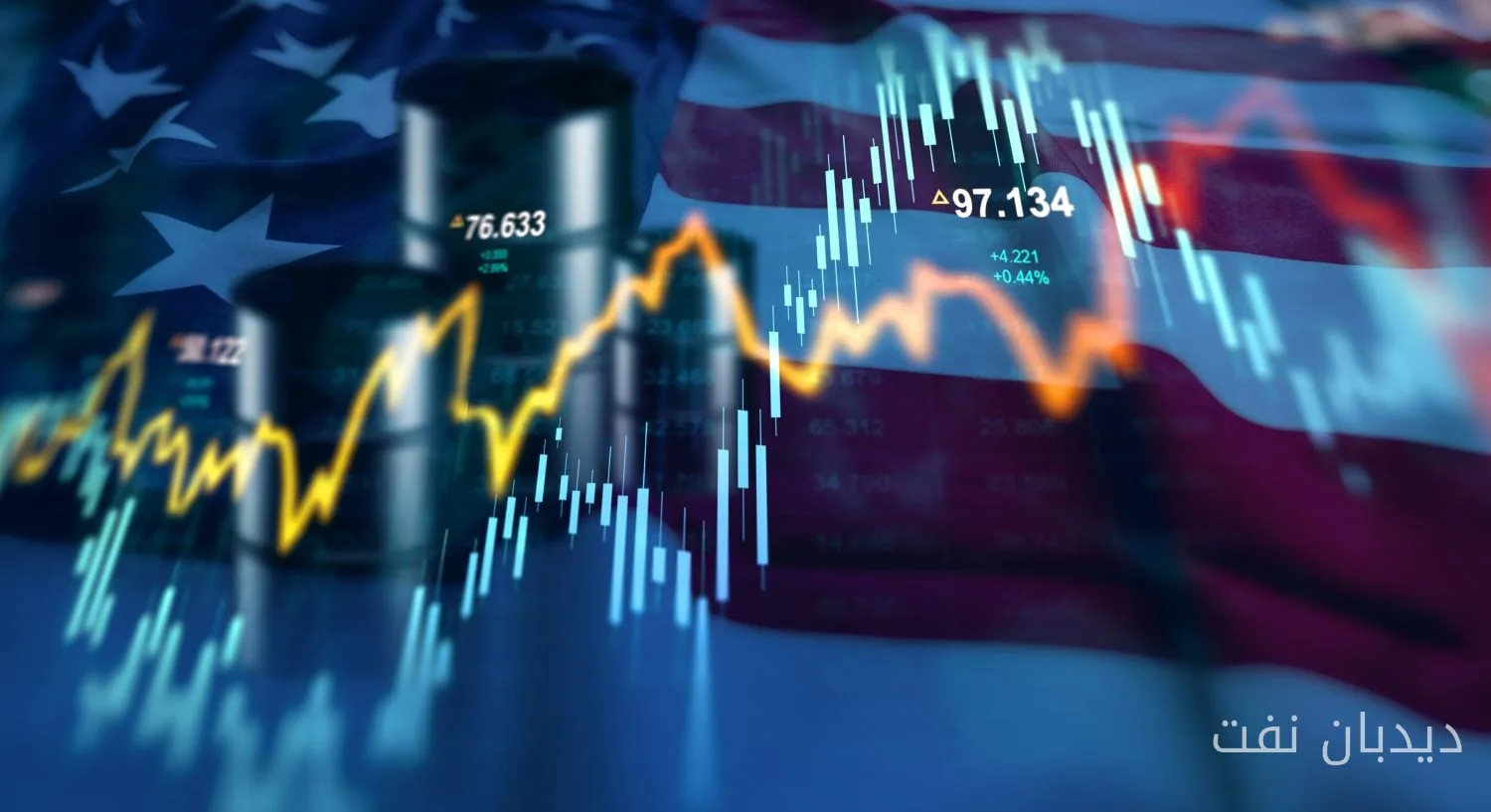
The Middle East, as one of the important geographical and economic points in the world, has always been in the spotlight. Ethnic, religious, and political conflicts are continuously occurring in this region, taking on new dimensions every day. These conflicts are not only dependent on historical reasons but also on economic and political factors. In fact, the rich oil and gas resources have turned this region into one of the arenas of global competition.
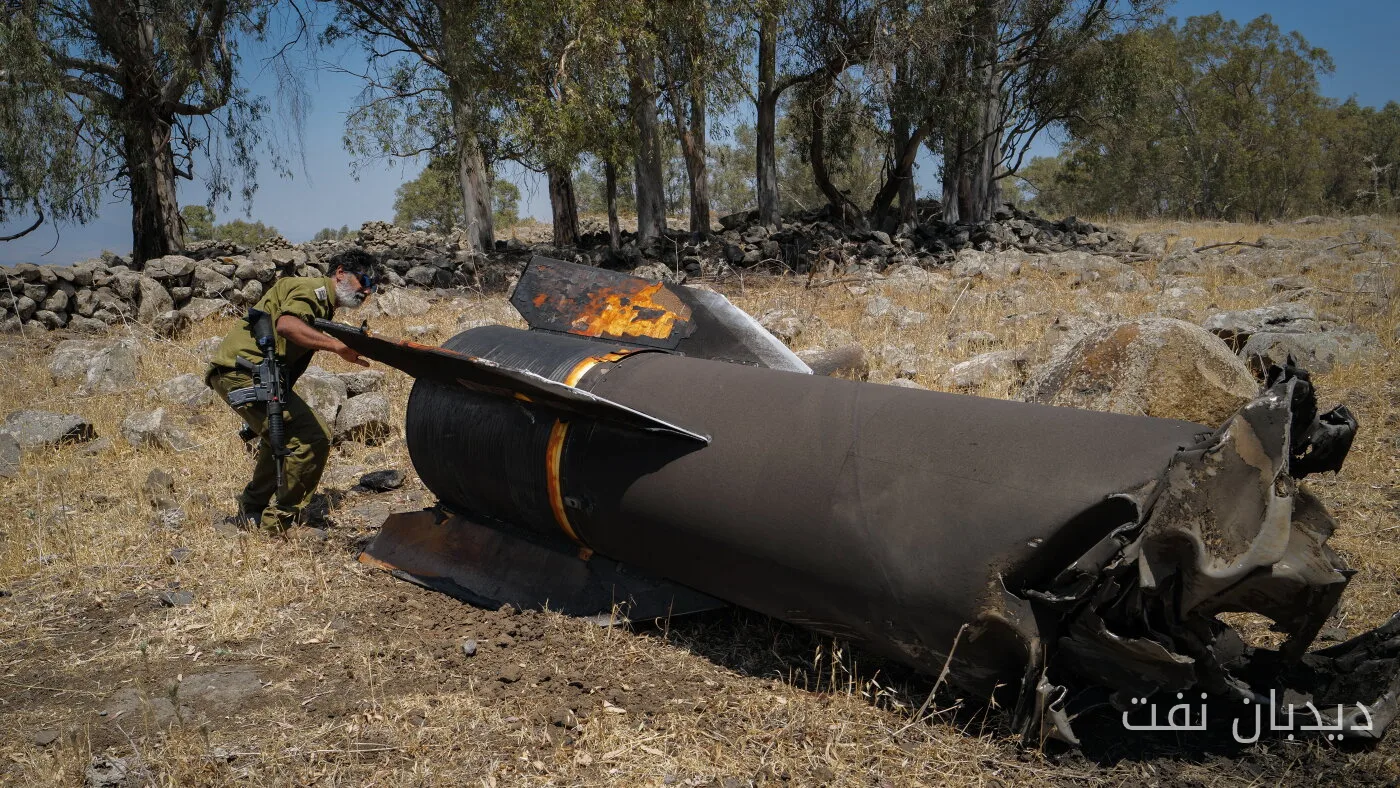
Recent developments, including popular protests and military conflicts, reflect a deep dissatisfaction among the people of these countries. Many analysts believe that this dissatisfaction could lead to a larger movement, one that would benefit not only the local people but also international stability.
Predictions and Future Outlook
In the current situation, predicting the future of the Middle East is very difficult. Some believe that this region is moving towards a deeper crisis, while others think that there may be an opportunity for peace and calm. Given the current state, we must wait and see whether these developments can lead to a fundamental change in regional and global policies or not.
Regardless of what scenario awaits us, the reality is that the Middle East will remain one of the sensitive and critical points in the world. The tensions and conflicts not only affect the lives of the people in this region but can also impact global policies and the world economy.