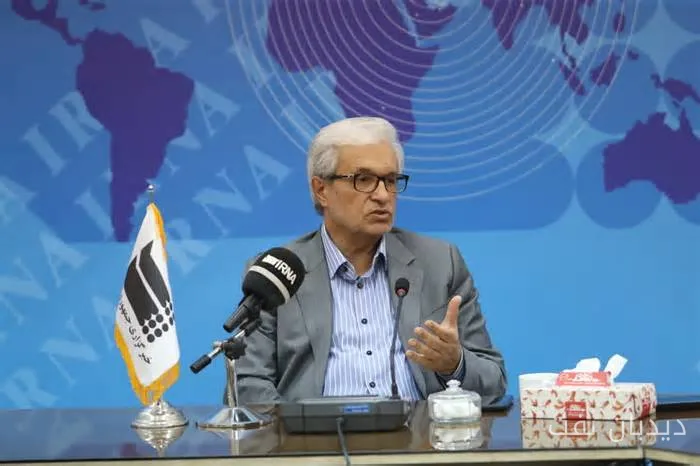
Ebrahim Mohseni, the CEO of the Isfahan Gas Company, emphasized the necessity of consumption management at the onset of the cold season and considered the role of media in reforming consumption patterns to be decisive. He stated that the development of energy-efficient technologies in industries, optimizing boiler rooms, and replacing high-efficiency heaters can reduce some of the pressure on the national gas network.
Importance of Gas Supply Network Sustainability
Mohseni further pointed to the importance of the sustainability of the gas supply network and the necessity of consumption management during the cold season, considering media as an effective element in public awareness. He added: "Transparent communication and media culture can play an important role in reforming consumption patterns, strengthening social participation, and maintaining the country's energy security."
The CEO of the Isfahan Gas Company, referring to the extensive gas supply network in the province, said: "Isfahan, with 36,000 kilometers of network and branches, is at the end of the gas supply chain; therefore, proper consumption management and optimal utilization of this energy are of special importance in maintaining network sustainability."
Complexity of Gas Transmission Process
He pointed to the complexity of the gas transmission process in the national network, stating: "The transmission of gas from the production source to consumption points is a time-consuming process; for instance, a gas molecule takes about three days to travel from South Pars to Khorasan Razavi." This highlights the necessity for precise planning and consumption management.
The CEO of the Isfahan Gas Company also referred to statistics on gas distribution in the province last year, saying: "During this period, about 22 billion cubic meters of gas were distributed in Isfahan, which is nearly 10 percent of the country's total production." Of the total distributed gas, 48 percent went to industries, 27 percent to power plants, and 21 percent to the residential sector.
Mohseni pointed out the composition of subscribers and the share of the residential sector in gas consumption, stating: "With about 93 percent of subscribers in the residential sector, this sector's share of the total distributed gas was about 21 percent according to statistics." This shows that the majority of the gas consumed in the province is allocated to industries and power plants, and managing consumption in these sectors is also of significant importance.
He referred to the damage caused to the country's gas infrastructure during the twelve-day war, saying: "During this period, 7,924 cases of damage to gas supply equipment were reported, with the most significant damages being the destruction of four South Pars refineries, including eight phases."
The CEO of the Isfahan Gas Company elaborated on the dimensions of these damages, stating: "The damages resulted in a daily reduction of 230 million cubic meters from the country's gas production capacity, equivalent to 27 percent of production." However, executive actions enabled the return of about 100 million cubic meters of this capacity through other routes.
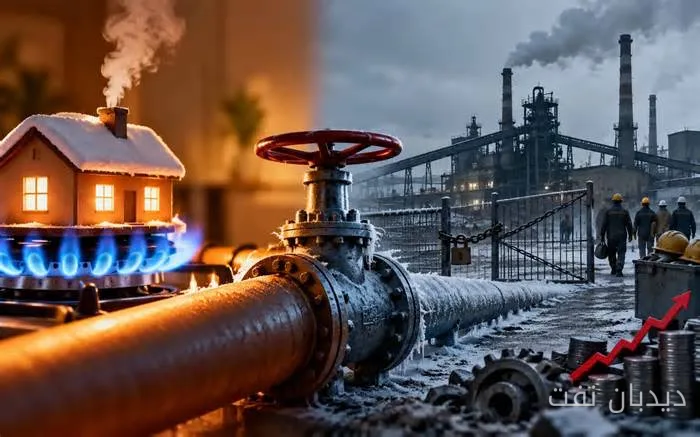
Mohseni also referred to the gas imbalance in the country during peak consumption, stating: "This imbalance reaches about 380 million cubic meters, and forecasts indicate that 11 provinces, including Isfahan, may face gas stress conditions."
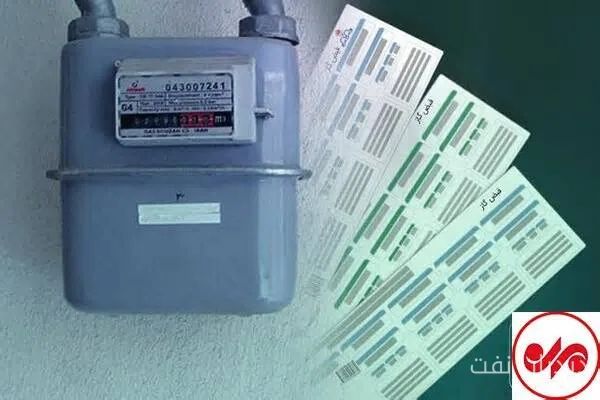
He described the continuity of the national gas network as a national necessity for consumption management, adding: "The cooperation of subscribers and adherence to consumption patterns is a necessity beyond individual action." In this regard, implementing a gas tariff reform plan and utilizing modern technologies to reduce energy consumption in the industry sector are among the actions that can help manage the gas imbalance.
Read more: The U.S. is Seeking to Revive Russian Gas Exports to Europe via Ukraine · Implementation of Fuel Card Coding Plan by the National Oil Products Distribution Company