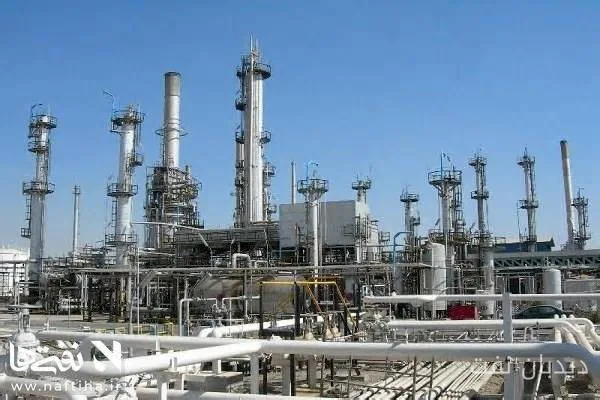
The challenges of old refineries in Iran clearly reveal the root of gasoline imbalance. With the surge in fuel consumption and pressure from the imbalance, experts have examined the operational lines of the country's refining industry. The main root of the existing challenges is not only due to the lack of physical capacity to receive crude oil feedstock but also stems from a deep technological gap and outdated process arrangements in old refining facilities.
Mismatch Between Technology and Market Needs
While advanced global refineries have minimized the share of low-value products such as fuel oil using modern technologies, Iranian refineries, due to outdated technology, convert a large portion of their input into fuel oil. This issue has not only led to a decline in gasoline quality but has also created additional pressure on the currency balance and the environment.
Read more: 10% Increase in Oil Exports from Khark Terminal in Recent War
In refinery process engineering, the "bottom of the barrel" section, which includes complex and heavy hydrocarbons, plays a key role. Traditional refineries, due to inefficient technology, direct this section to fuel oil tanks, which constitutes more than 30% of the output. In contrast, modern refineries, focusing on converting these hydrocarbon compounds into lighter products, produce more valuable outputs.
The Need for Renovation and Investment in Refineries
Amir Hossein Rafiei, an energy expert, emphasizes that the structural challenge of the oil refining industry in Iran is not only due to the quantity of processing but is also related to the unbalanced process arrangement. To solve this problem, the establishment of secondary and complementary facilities, including catalytic cracking and hydrocracking units, is necessary. These units can help improve gasoline quality and reduce the share of fuel oil.
However, economic and sanction-related barriers have severely impacted the renovation process of refinery facilities. The construction of deep conversion units requires significant and time-consuming investments, which currently face multiple challenges. Additionally, the lack of a transparent economic mechanism in the country has reduced refineries' motivation to take investment risks.
The consequences of this lack of investment harm the lives of citizens and macroeconomic indicators. The ongoing gasoline imbalance places policymakers in a difficult position to make tough decisions, and the decline in gasoline quality leads to increased air pollution and wear on vehicle engines. Consequently, given the conditions of the cold season and the imbalance in natural gas supply, the country will face greater risks.
Overall, the gasoline imbalance in Iran has become a fundamental problem due to the mismatch between existing technologies and market needs. To solve this issue, there is a need for renovation and technological upgrades in refineries and a redesign of the economic policies governing these enterprises.
Read more: Oil Exports from the Strait of Hormuz Reached 7.4 Million Barrels per Day in September · Gas Limit Below 5 Million Cubic Meters per Day for the Cement Industry



