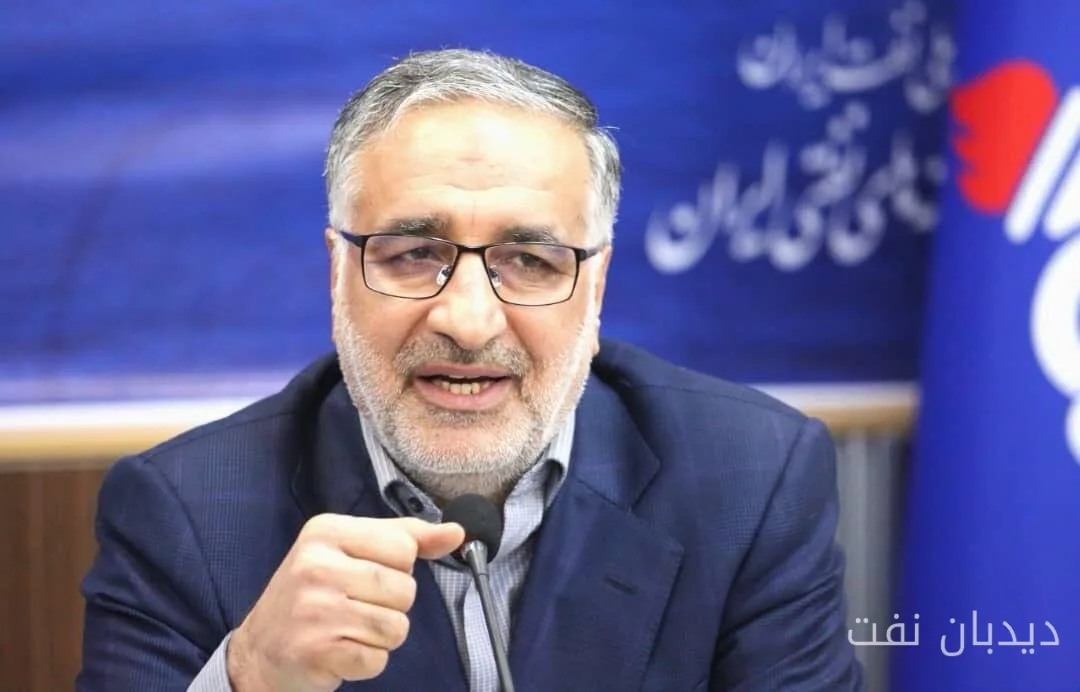
The 10% increase in oil exports from the Khark terminal during the recent war marks a significant transformation in the management of Iran's oil resources. Abbas Asadrouz, CEO of Iran's Oil Terminals Company, elaborated on the status of this terminal and its role in the oil production and export chain during a visit to the exhibition of documents and images from the oil industry during the Sacred Defense period.
Key Role of Khark Terminal in Oil Exports
The Khark oil terminal, as the largest oil terminal in the country, stores and exports about 93% of the country's crude oil. Asadrouz emphasized its geographical and strategic position, highlighting its importance in the country's oil export chain. He stated that the facilities of this company, due to their position in the oil export chain, are classified as critical infrastructure and must always be in optimal operational conditions.
The CEO of Iran's Oil Terminals Company referred to the company's modernization plans and the allocation of 500 million euros for various projects in the areas of pipelines, storage tanks, and export docks. He also announced the undertaking of major repairs on seven to eight tanks with capacities of one million and 500 thousand barrels.
Managing Oil Exports in Critical Conditions
Asadrouz, referencing the experience of the eight-year Sacred Defense and recent wars, stated that oil industry workers, despite the pressures from increased workload and security threats, have managed to continue oil exports. During the recent war, 548 attacks on the Khark oil terminal were recorded, yet the staff of this terminal courageously succeeded in exporting 70 million barrels of the country's oil.
He emphasized that the average oil exports from the Khark terminal during the forty-day war were about 10% higher than before the war. This achievement is a result of the efforts and continuous presence of the Khark oil terminal staff in critical conditions. Asadrouz stressed that the experience and spirit of courage and resilience have been ingrained in the various generations of oil industry workers, and this spirit has also manifested itself in recent wars.
Ultimately, the CEO of Iran's Oil Terminals Company referred to the staff of this terminal as the main factor in the success of continuing oil export activities, stating: "These actions went beyond an organizational mission; they were a national mission to support the country's economy."



