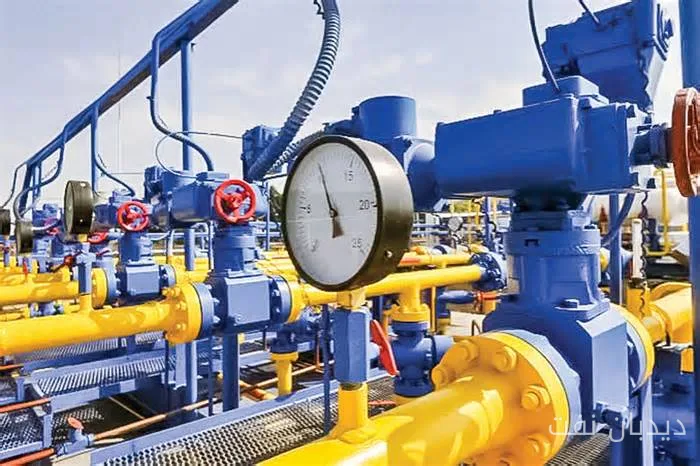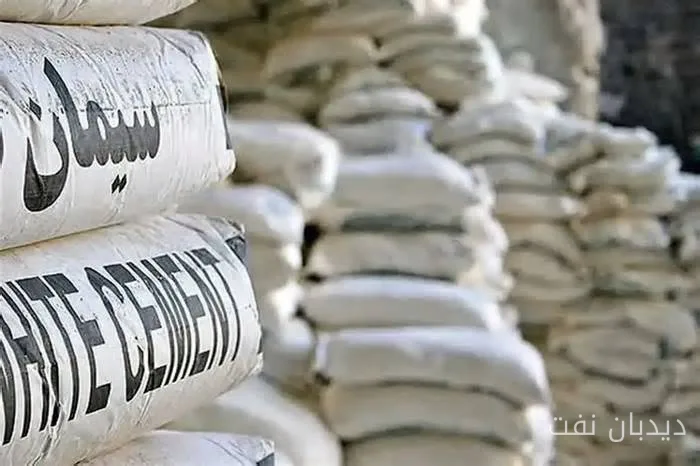
The cement industry is facing an unprecedented energy crisis this year, resulting in a significant reduction in the gas supply needed for factories. Ali Akbar Alvandian, the secretary of the Cement Employers' Association, has announced that since the beginning of this year, factories have been facing serious restrictions in gas supply, receiving only an average of 5 million cubic meters of gas per day. This amount is less than 18% of the daily needs of this industry, which is estimated to be around 28 million cubic meters.
Impact of Mazut on Production Costs
Cement factories, due to gas restrictions, are forced to use mazut as an alternative fuel. Alvandian explains that the cost of mazut, due to the necessity of transporting it, may end up being as much as the price of the fuel itself. In situations where factories struggle to cover transportation costs and its related issues, the final energy cost for cement production may double in some cases. This issue is particularly serious for factories that are far from mazut delivery points, putting additional pressure on production costs.
Read more: Establishing an IMO Carbon Neutral Framework at the UN Summit by the Trump Administration
Challenges for Specific Factories
Some factories, such as Tehran Cement and White Cement, cannot easily use mazut due to environmental reasons or product quality. Last winter's experience shows that if gas is cut off, Tehran Cement factory faced production stoppage due to the inability to use mazut. Additionally, White Cement factories cannot simply sacrifice their product quality by changing fuel, making them more vulnerable compared to dual-fuel factories.
Currently, despite the energy crisis, the price of cement in the market has remained relatively stable, and there does not seem to be a widespread shortage in supply. This is while factories have been using their clinker reserves to meet market needs. However, these reserves are not unlimited, and if energy restrictions continue, the effects will directly impact cement supply.
This winter, factors such as the severity of gas restrictions, the availability of mazut, and the amount of clinker reserves will determine the state of the cement market. If gas remains at the current level and mazut is supplied adequately, factories can maintain their production. However, with decreasing temperatures and intensified restrictions, there is a likelihood of production decline and consequently an increase in cement prices.
The energy crisis is not limited to the domestic market and could also affect export contracts. Reduced production may lead to a decline in the quality of export products and challenges in retaining international customers. Therefore, decisions regarding gas allocation to factories depend not only on meeting domestic market needs but also on maintaining export markets.
Read more: Analysis of Hidden Costs of Gasoline for Domestic Vehicles in Iran · Triple Pressure on Transformative Industries; Rising Costs and Energy Restrictions