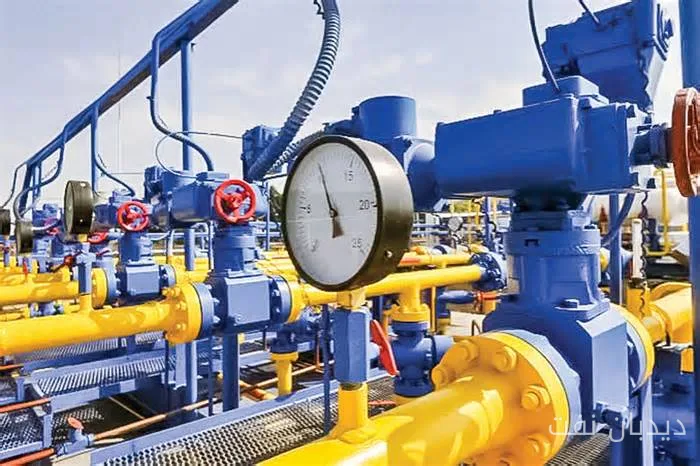
The gas imbalance in the upcoming winter is expected to reach at least 400 million cubic meters per day. This prediction, especially considering the damage to some South Pars facilities during the recent war, has turned the energy supply equation into a strategic issue for the country. With over 84% of Iran's electricity generation capacity dependent on natural gas injection, the traditional model and focus on centralized power plants have placed the country in a vulnerable position.
Challenges and Consequences of Gas Imbalance
The damage to several phases of South Pars during the recent 40-day war has heightened the sensitivity of this issue and has made the need for a review of the country's energy supply model more apparent. If the current conditions persist, the gas imbalance could lead to widespread blackouts and serious disruptions in economic activities. Energy experts believe that the country needs a structural approach to address the root causes of the imbalance.
Read more: Director General of Ilam Customs: Exports from Mehran Border Reached 453 Million Dollars
Proposed Solutions to Overcome Imbalance
Farshad Jameh, an energy expert, suggests that to manage the gas imbalance, the fuel mix for power generation should be diversified. He points out that by expanding the share of renewable energies, such as solar and wind, as well as optimizing the use of hydropower and nuclear energy, the pressure on gas resources during the cold season can be reduced. Additionally, reducing dependence on large centralized power plants can enhance the resilience of the grid against technical incidents and security threats.
Developing small and medium-sized power plants, as well as simultaneous heat and power production in industries, can contribute to creating a more flexible and resilient structure. Such a structure can lead to reduced transmission and distribution losses and ultimately save gas resources.
Finally, in order to maintain energy security and prevent future crises, it is essential to take serious steps towards diversifying the fuel mix and reducing dependence on centralized power plants. These measures will not only help stabilize production lines but can also free up a significant amount of natural gas for conversion into high-value-added petrochemical products.
Read more: Taylor Maritime Announces Final Sale of Its Fleet for 15.1 Million Dollars · Sanctions on Iran's Energy Transport Network Affect Regional Trade Competition



