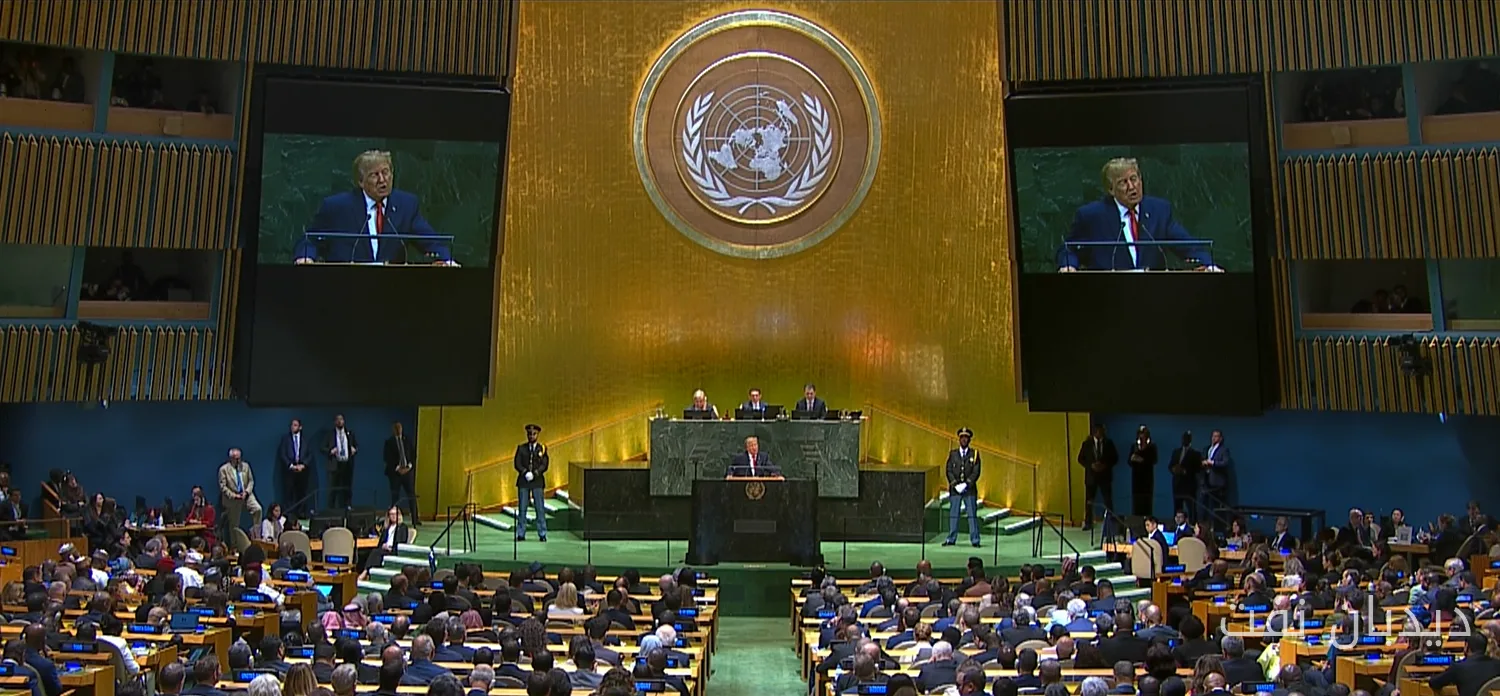
At the UN summit, the Trump administration criticized the International Maritime Organization (IMO) carbon neutral framework (Net Zero Framework). This framework is considered the first global carbon pricing mechanism in the shipping industry, aimed at generating revenue from ships that consume the most fossil fuels.
Details of the Carbon Neutral Framework
The IMO carbon neutral framework, approved in April 2025, is designed to increase the price of carbon-intensive fuels and use the resulting revenue to subsidize green fuels. This system operates as a performance-based fee rather than being recognized as a tax. It is expected to generate annual revenues of between $10 to $15 billion for the IMO.
Response from the Trump Administration
At the summit, Trump claimed that his administration had to intervene to prevent the establishment of a global carbon tax by the IMO. He stated, "This tax will increase international shipping costs by 10 to 20 percent." He also criticized the existence of global governments and global taxes, emphasizing that there would be no global taxes during his presidency.
The carbon neutral framework is considered the first serious effort by the IMO to reduce greenhouse gas emissions since the adoption of the EEDI standard in 2011. After the initial strategy was approved in 2018, the organization doubled its target for achieving zero carbon emissions by 2050 in 2023. However, this strategy faces many challenges, including the high costs of non-carbon fuels and the market's unwillingness to pay extra for green shipping.
Potential Consequences of Not Approving the Framework
Delays in approving the carbon neutral framework at recent meetings have had a direct impact on industrial planning for transitioning towards greening the maritime fleet. Recent reports have shown that this delay has led to the halting or cancellation of decisions at the corporate level. According to the Global Maritime Forum, "This trend must be reversed with the approval of the carbon neutral framework in 2026 to restore the necessary confidence to advance actions in this industry."
Read more: The Arctic Port of Murmansk in Russia uses fertilizer loading equipment for grain exports · Forecast of increased supply pressure in the container transport market by BIMCO