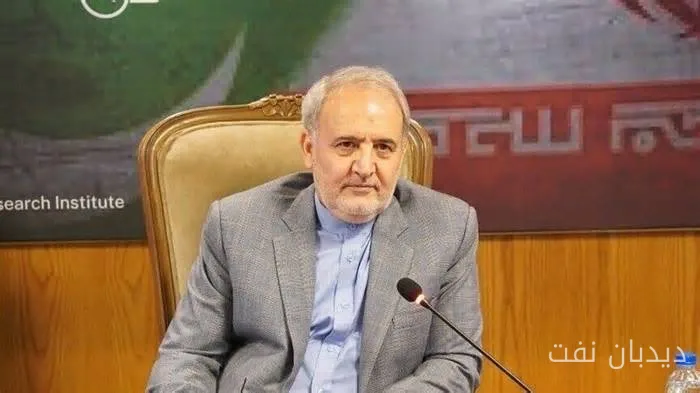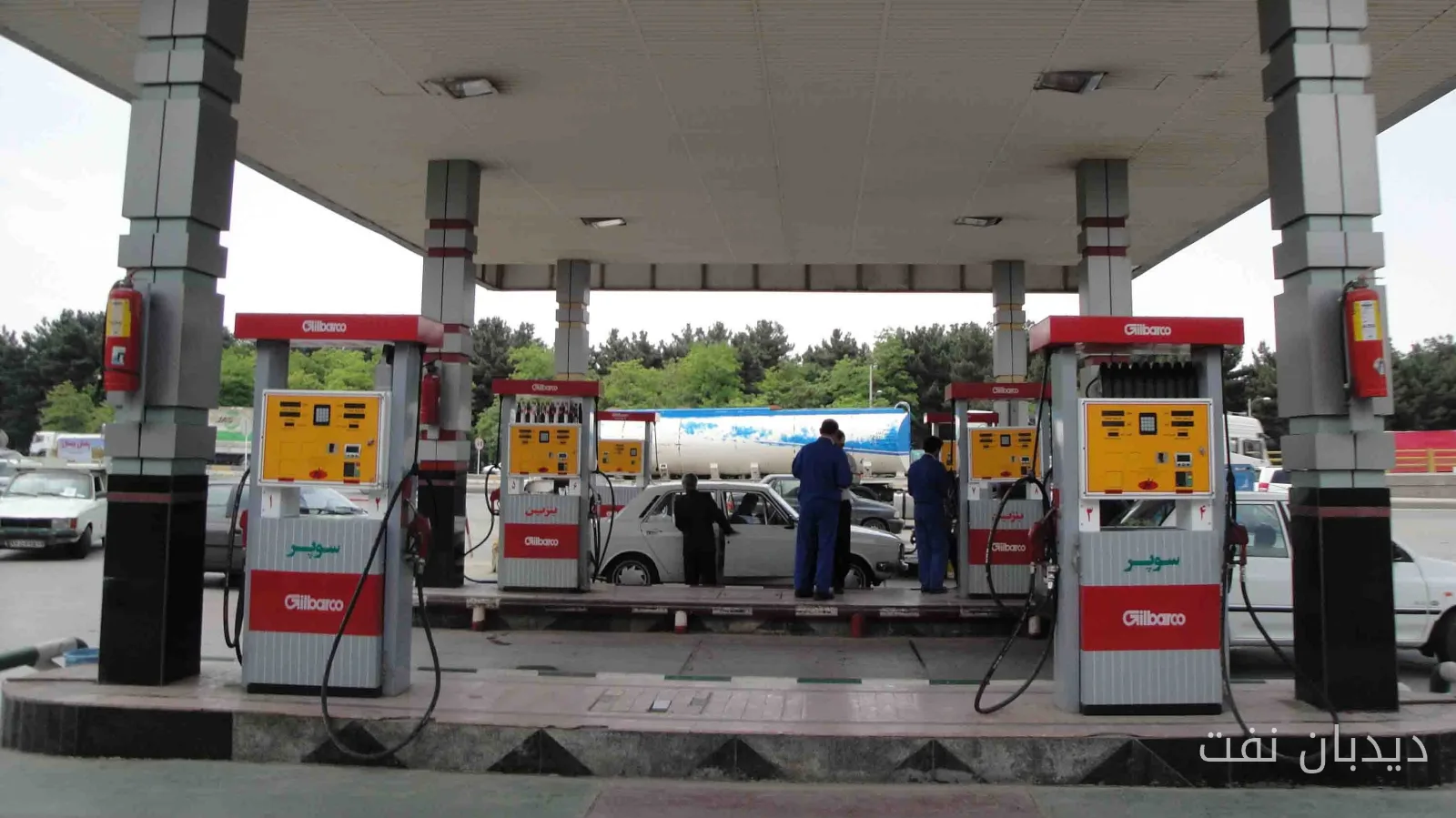
Keramat Veys-Kermani, the CEO of the National Iranian Oil Products Distribution Company, explained the technical and legal reasons for organizing the free cards at fuel stations during a press conference with media representatives. He pointed out the existence of two types of smart cards, including personal vehicle cards and emergency cards located at the stations, emphasizing that the Ministry of Oil is obligated to maximize the use of personal cards and minimize the use of station cards.
Gasoline Consumption Statistics
Veys-Kermani, referring to consumption statistics from September 1 to 16, 1405, announced that the average gasoline consumption during this period reached 144 million liters per day. Of this amount, 59% of the refuelings were done with personal cards and 41% with emergency cards. This statistic indicates a daily discharge of 59 million liters of gasoline without identifying the actual consumer.
Read more: The State of Navigation in Southern Iranian Waters Under Sanctions
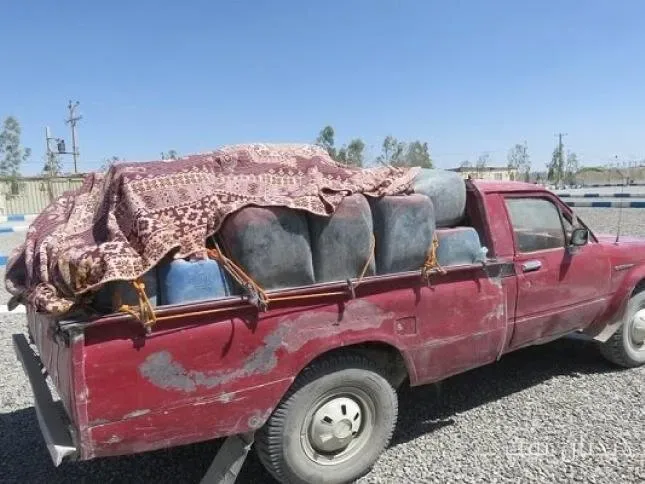
The CEO of the National Iranian Oil Products Distribution Company stated that the resolutions of the Islamic Consultative Assembly emphasize the maximum use of personal fuel cards, reminding that various plans have been proposed in previous years to implement this legal requirement. He also referred to the necessity of implementing an intelligent monitoring plan aimed at preventing off-network supply and fuel smuggling.
Details of Unusual Refueling
Veys-Kermani continued by mentioning the details of unusual refueling cases, stating that some individuals have refueled more than 100 times in a single day. For instance, one person refueled 105 times at one station, while another individual visited 38 stations and refueled 98 times. This situation indicates the need for increased monitoring and control over the refueling process with station cards.
The CEO of the National Iranian Oil Products Distribution Company also referred to the implementation of a plan to identify refueling with emergency cards, stating that this plan has been executed with the establishment of a separate hardware and software system from the smart fuel system of 1386. In this plan, drivers receive a token or a four-digit code by swiping their bank card on devices installed at the station and refuel by handing it to the attendant.
According to Veys-Kermani, statistical investigations from the pilot phase of this plan show that the share of personal cards in Mehr 1405 has increased from 49% to 58%, while the share of emergency station cards has decreased from 51% to 42%. These changes have resulted in savings of over 20 million liters and improved refueling conditions in the capital.
Read more: Energy Imbalance in Iran Faces Multiple Challenges · The United Arab Emirates Confirms Oil Spill in the Persian Gulf is Expanding