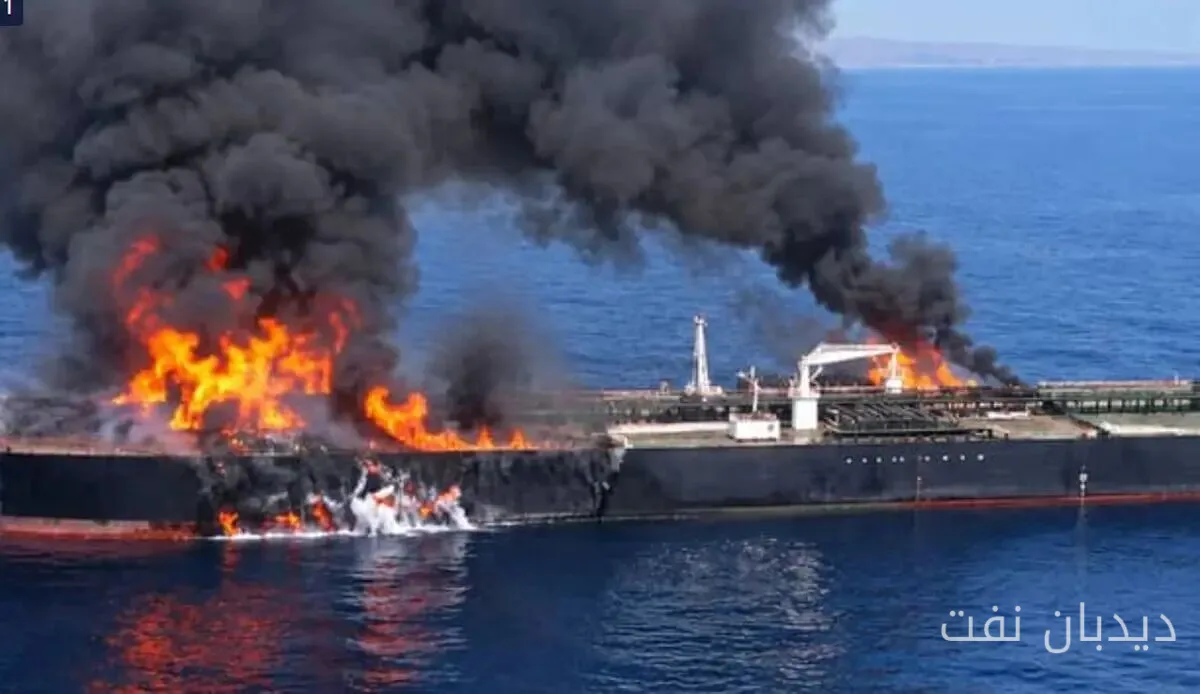
On Tuesday, the price of Brent oil reached $114.70 per barrel, reflecting a decrease of more than one dollar, equivalent to 0.57 percent. This price drop occurred due to the possibility of reaching an agreement to end the war between the US and Israel with Iran. However, Brent oil remains close to its highest level in the past six months.
Impact of Attacks on Saudi Arabia
The attacks by Ansarullah on Saudi Arabia, one of the world's major oil producers, have made conditions for establishing stability in the energy market unstable. These attacks have added to concerns about disruptions in oil supply, causing prices to remain at high levels. West Texas Intermediate crude also traded at $100.70, down one dollar, or one percent.
Read more: DOF Announces Sale of Underwater Vessel Skandi Implementer
Security Developments in the Strait of Hormuz
According to data from a Washington-based think tank, October has been the worst month in terms of the number of attacks on commercial ships in the Strait of Hormuz and adjacent waterways. The war in the Middle East has extended its repercussions throughout the region, turning the Strait of Hormuz into a crisis hotspot. Before the onset of hostilities in February, about one-fifth of the world's energy supply passed through this narrow waterway.
Last week, the price of Brent oil rose to over $117 per barrel, the highest level since April. This price increase was due to Iran's attacks on tankers around the Strait of Hormuz and concerns about maritime security. On Monday, the Brent price again reached the $117 range.
In another development, two industry sources reported that Russian refineries will increase diesel production in October. This decision was made following an agreement between the Kremlin and the US regarding supply and export quotas.
Read more: Energy Drilling Signs 30-Month Offshore Drilling Contract with CPOC · New Sanctions on Tankers Alter Iran's Oil Transport Routes