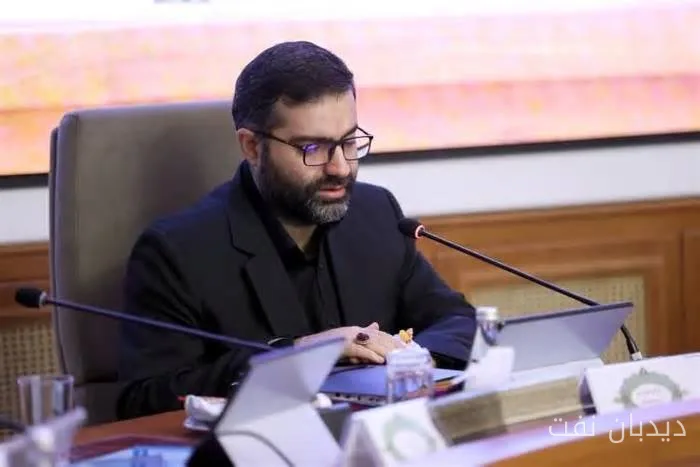
Ali Hadadi, the representative of the people of Taleqan in the Islamic Consultative Assembly, emphasized the importance of sustainable energy supply for industrial growth and increased production. He stated that every industrial unit needs reliable access to electricity and gas for production planning, and disruptions in this area directly affect costs, employment, and the market.
The Necessity of Renovation and Updating Industries
Hadadi continued that solving the energy imbalance is not possible solely by increasing production capacity, as part of this problem relates to the high energy consumption in industries. He emphasized that production technology, machinery, and industrial lines must be updated to produce more with less energy. This issue requires a close connection between industrial and energy policies.
Read more: Mohammad Ali Dehghandahani: 10 Solutions for Removing Export Barriers Presented
Government Incentives for Industrial Renovation
A member of the board of directors of the Industries and Mines Commission of the Parliament added that the government should create incentives for industrial renovation and improving energy efficiency. According to him, many production units lack the financial capacity to renovate equipment, and to reduce energy consumption in industries, financial tools and appropriate facilities must be provided to them.
Hadadi emphasized that large industries must play their part in energy supply, stating that the development of solar power plants in industrial parks and complexes can reduce pressure on the national grid and increase the energy security of production units.
Consumption Management and Reforming the Automotive Industry
He also stressed the necessity of managing energy consumption in various sectors, stating that energy management is not solely the responsibility of households. Office buildings, government agencies, industries, and commercial centers must also be accountable for their consumption levels. In this regard, wherever it is possible to reduce consumption without harming economic activity, appropriate technology and equipment should be utilized.
Hadadi further referred to the automotive industry, stating that this sector requires serious reform. He mentioned that it is unreasonable to expect people to reduce their fuel consumption while high-consumption vehicles are still being produced and offered. Upgrading fuel consumption standards and developing low-consumption vehicles should be part of the national energy management policy.
Emphasis on Addressing Unauthorized Consumption
Hadadi emphasized the necessity of addressing unauthorized consumption, stating: "In a situation where the country faces resource limitations, any illegal consumption that puts pressure on the public network must be identified and stopped." In his opinion, smart network management and precise consumption monitoring can be effective in identifying these cases.
He concluded by saying that the ultimate goal should not merely be to pass through a peak consumption period, but rather to move towards an industry that consumes less energy and also meets part of its energy needs. If consumption reform is accompanied by industrial renovation, the energy imbalance can become an opportunity for enhancing productivity and the competitiveness of domestic production.
Read more: HSBC CEO: The Strait of Hormuz May Become Unnecessary in Five Years · The CEO of the National Gas Company of Iran Reported on the Gas Network Status in Cold Months