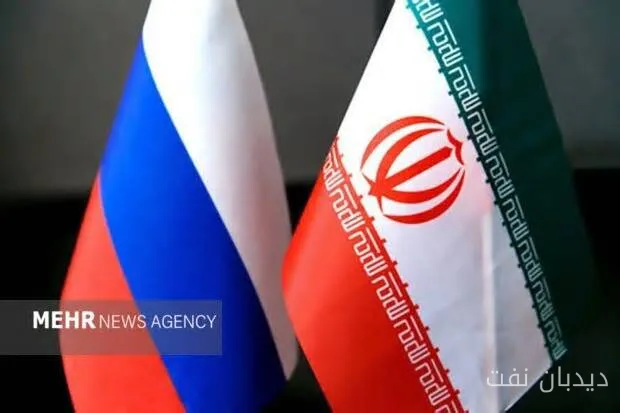
Gas imports from Russia are being carried out as one of the key actions of the Islamic Republic of Iran to address energy imbalance during the cold season of 1405. These efforts coincide with the President's trip and the Minister of Oil's visit to Moscow to participate in the Gas Exporting Countries Forum (GECF) meeting. The gas imbalance in the country has become one of the fundamental challenges with the approaching cold season, and experts are seeking immediate measures to resolve this issue.
Background of Iran-Russia Energy Cooperation
An examination of the history of negotiations between Tehran and Moscow shows that the technical and legal foundations of this cooperation have been previously established. In Bahman 1404, Mohsen Paknejad, the then Minister of Oil, announced the signing of the final document and a series of joint agreements at the meeting of the Joint Commission for Economic Cooperation between Iran and Russia. He stated that specialized working groups had successfully drafted the final comprehensive document, which is considered a significant advancement in the current international conditions.
Read more: 66% Increase in Gas Prices for Revitalization Units in Iran's Steel Industry
Contract Details and Negotiation Status
Saeed Tavakoli, the CEO of the National Iranian Gas Company, also referred to the details of the negotiations related to the contract known as the "General Framework" and emphasized that the negotiations have reached the final stage. All specialized aspects, including technical dimensions and legal regulations, have been completed in the joint working group, and only the final price determination and agreement on the financial settlement mechanism remain. According to Tavakoli, the gas entry process is organized in two phases of 550 units, and a short-term executive contract for technical testing and payment method assessment is on the verge of finalization.
Experts believe that activating and strengthening gas imports from Iran's northern neighbors, including Russia and Turkmenistan, can help alleviate concerns for the cold season. Sustainable fuel supply for power plants and industries, as well as heating for the residential sector, are among the objectives of this approach. This action can be considered an immediate strategy to prevent blackouts and maintain the country's gross domestic product during the critical months of the year.
Farshad Jame, an energy issues expert, emphasized the importance of the immediate entry of gas from northern borders and stated that damage to refining infrastructure and gas lines in South Pars has brought the gas imbalance to a concerning level. He noted that to fill the energy gaps, the initiation of imports from Turkmenistan and Russia is a strategic necessity.
Jame also referred to the high capacities for gas swap and re-export to high-demand destinations like India, stating that this could play an important role in enhancing the country's geopolitical weight. He also emphasized that by strengthening gas relations with northern neighbors, Iran can become a strategic partner in the energy sector.
Read more: Estonians Continue to Reach Fifth Place in the Transfer of Russian Grain · Iran's Active Presence in the Gas Exporters Forum Strengthens Energy Diplomacy