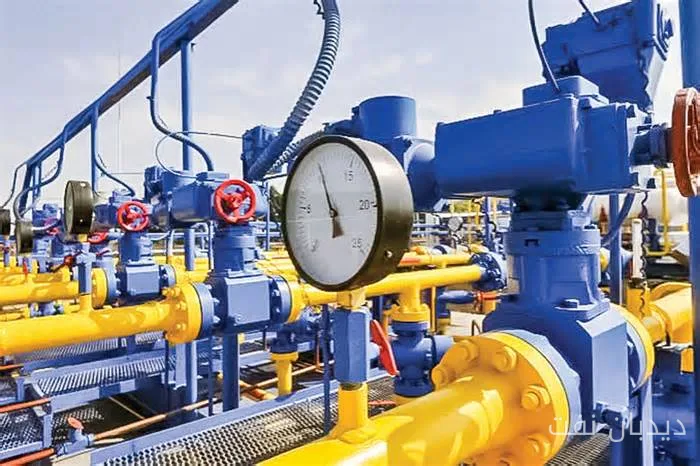
The gas prices for reduction units in Iran's steel industry have increased by 66% from spring to September 2026. This increase in costs will lead to serious challenges for sponge iron producers. As the energy crisis in Europe intensifies and prices in the global market fluctuate sharply, Iran's steel industry faces an additional challenge.
New Challenges in Energy Supply
The increase in geopolitical risks in the global energy market and the reduction of liquefied natural gas (LNG) exports from the Persian Gulf region have heightened concerns about gas supply in the upcoming winter. The dependency of sponge iron production on natural gas and the correlation of industrial gas prices with international hub prices could transfer the increase in gas prices in Europe to the production costs of Iranian steelmakers.
Read more: Panama Canal Sets New Record in Annual Cargo Volume
Analysts believe that disruptions in the transit of the Strait of Hormuz since February 28 and military attacks on key energy facilities in the region have put pressure on the supply chain of liquefied natural gas. Meanwhile, Israel's attack on South Pars and Iran's response to the Ras Laffan facilities in Qatar are among the developments affecting the regional energy market.
Consequences of Increased Gas Prices for the Steel Industry
Estimates indicate that the gas prices for reduction units have increased by about 66% from spring to September 2026, and the share of gas in the total cost of sponge iron has risen from 6.6% in 2024 to 10.4% in 2025. This increase in rates could potentially lead to an increase in the share of gas in the total cost of sponge iron to about 20% in the near future.
From 2021 to 2025, the value of lost production in the steel chain due to electricity and gas restrictions has been estimated at over $18 billion. If gas prices in Europe continue to rise, the additional pressure on steel units could mean facing simultaneous increases in energy costs and potential reductions in access to it.
As winter approaches, the necessity of reforming the gas pricing formula before peak consumption has become an important issue. In this regard, proposals have been made to eliminate European hubs or reduce their weight in the pricing formula. Statements from the Ministry of Oil regarding the removal of European hubs from the pricing formula are still awaiting implementation.
Read more: The Necessity of Reforming Gas Consumption Patterns in Winter · Eurasian Economic Union Council Warns Armenia About the Consequences of Withdrawal