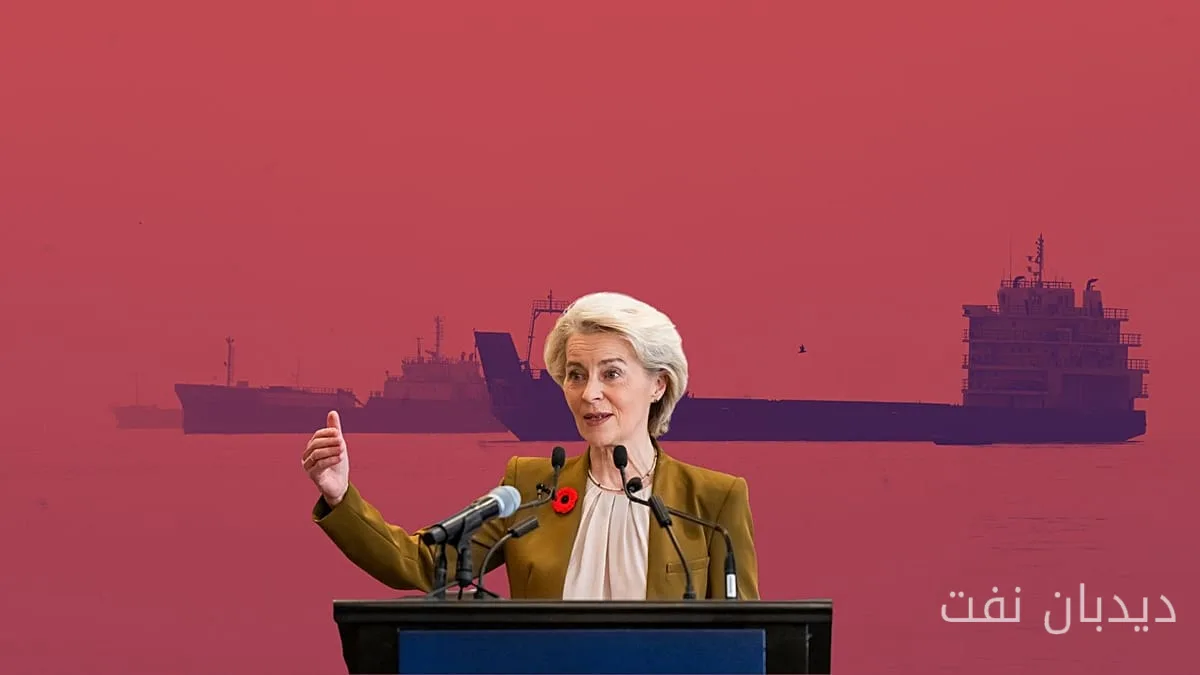
Ursula von der Leyen, President of the European Commission, announced at the "Win-Win" business meeting held on November 3 that the closure of the Strait of Hormuz has added €127 billion to the cost of fossil fuel imports for the European Union so far. She described this cost increase as a sign of Europe's economic vulnerability to international crises and its dependence on energy imports.
Economic Consequences of the Closure of the Strait of Hormuz
Von der Leyen emphasized in her remarks that the European Union will not retreat from its climate goals and will continue to support clean industries. She also stated that Europe still aims to become the first continent to emit no additional carbon pollution by 2050 and will pursue a 90% reduction in greenhouse gas emissions by 2040. According to her, over €1.2 trillion has been invested in sustainable activities in the European Union since 2021.
Increase in Energy Costs and Its Effects
Von der Leyen reminded that the plan to receive pollution compensation from industries in the European Union has managed to reduce emissions from the affected sectors by 50%, while the European economy has grown by 30%. The increase in energy costs in Europe to €127 billion is the latest estimate by European officials regarding the rise in fossil fuel import costs due to the war and disruptions in shipping through the Strait of Hormuz. On April 13, von der Leyen stated that the cost of fossil fuel imports for the European Union had increased by over €22 billion in the first 44 days of the crisis.
The European Commission also estimated this cost increase at about €24 billion a few days later. In the summer, Dan Jørgensen, the European Union's Energy Commissioner, reported an additional cost of over €50 billion for energy. In her annual speech on September 16, von der Leyen announced this figure as €90 billion, and on September 29, the Associated Press reported, citing Jørgensen, that EU member states had paid over €100 billion in additional energy import costs since the war began.
The Secretary-General of the United Nations also warned in his speech to the Security Council on April 27 that the disruption in the Strait of Hormuz threatens not only energy security. According to him, under normal conditions, about one-fifth of the world's oil, one-fifth of liquefied natural gas, and nearly one-third of chemical fertilizers traded in the international market pass through this waterway.
He also identified the increase in transportation and insurance costs, volatility in energy and commodity markets, and disruptions in supply chains as consequences of this crisis and warned that its continuation could also affect the food security of vulnerable countries, especially in Africa and South Asia.
Von der Leyen has recently emphasized the necessity of reducing Europe's dependence on imported fossil fuels and stated that the European Union will not retreat from the path of developing clean energy. She has stated her goal is to support clean industries and expand energy production within Europe to reduce the vulnerability of the Union's economy to external crises.
Read more: Sharp decline in property construction starts in China to the level of 2002 · Closure of the Strait of Hormuz as the largest oil supply crisis in history