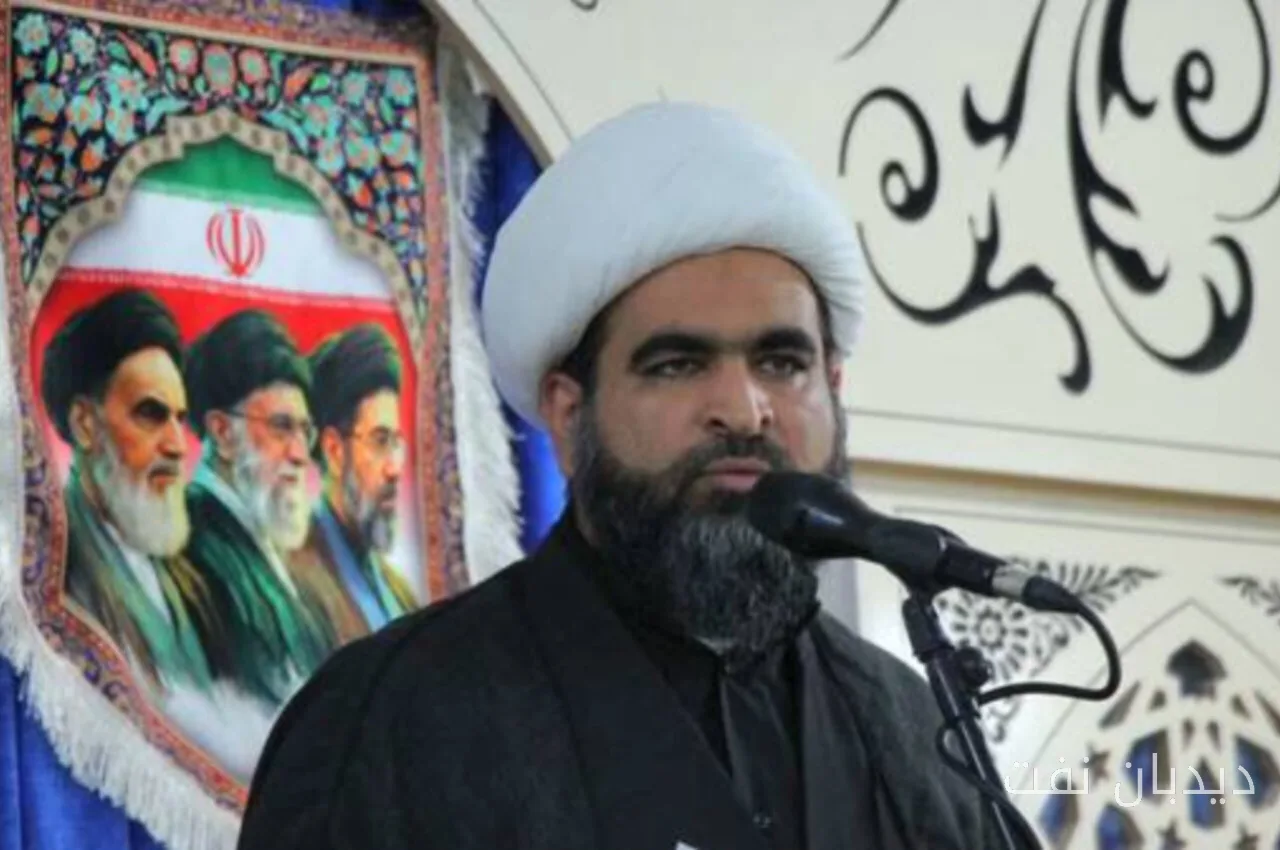
Hojjatoleslam Mohammad Barani, the Imam Jummah of Rudan County, highlighted the existing challenges in fuel consumption management during his Friday prayer sermon and stressed the need to reconsider executive approaches and move beyond price-oriented policies. He said: "Solving the issue of gasoline consumption in the country requires identifying the structural roots of this issue and adopting solutions that consider both consumption management and combating smuggling, while also taking into account the livelihoods and real needs of the people."
Two Different Approaches in Fuel Policy
Barani referred to two different approaches in fuel policy-making and said: "In one approach, increasing prices is proposed as the main solution to control consumption and prevent smuggling, but in a more comprehensive approach, the underlying and structural factors of high gasoline consumption must be examined." He added: "A significant portion of high gasoline consumption in the country is not due to the voluntary choices and behaviors of the people, but rather factors such as the aging vehicle fleet and weak public transportation infrastructure play a role."
Read more: Analysis of the Growing Trend in Shipbuilding and Prediction of Delivery Crisis by 2028
Suggestions for Reforming Fuel Consumption Management System
The Imam Jummah of Rudan further emphasized the need to pay attention to the conditions of different groups in society and said: "Patients, travelers, and those who are compelled to travel for medical or occupational reasons should not be affected by uniform policies." Barani proposed five essential axes for reforming the fuel consumption management system and reducing pressure on the people. His first solution was to reconsider the fuel card system and utilize smart systems to identify consumption patterns. He also referred to the development of compressed natural gas (CNG) infrastructure and the modernization of the vehicle fleet, stating: "Replacing old vehicles with standard and fuel-efficient ones, improving the quality of automakers' products, and providing suitable conditions for fleet renewal are among the measures that can reduce gasoline consumption in the long term."
Barani also emphasized strengthening public transportation and noted: "Developing the bus fleet, metro, and other public transportation methods can reduce citizens' dependence on personal vehicles." Finally, while criticizing some information dissemination methods, he stressed the necessity of dialogue with the people and clarifying the dimensions of decisions before implementing new policies.
Read more: Mohammad Jafar Ghaempanah: The Necessity of Strengthening Infrastructure and Increasing Gilan's Share of Resources · Energy Imbalance Management: A Priority for Urban Management in Tehran