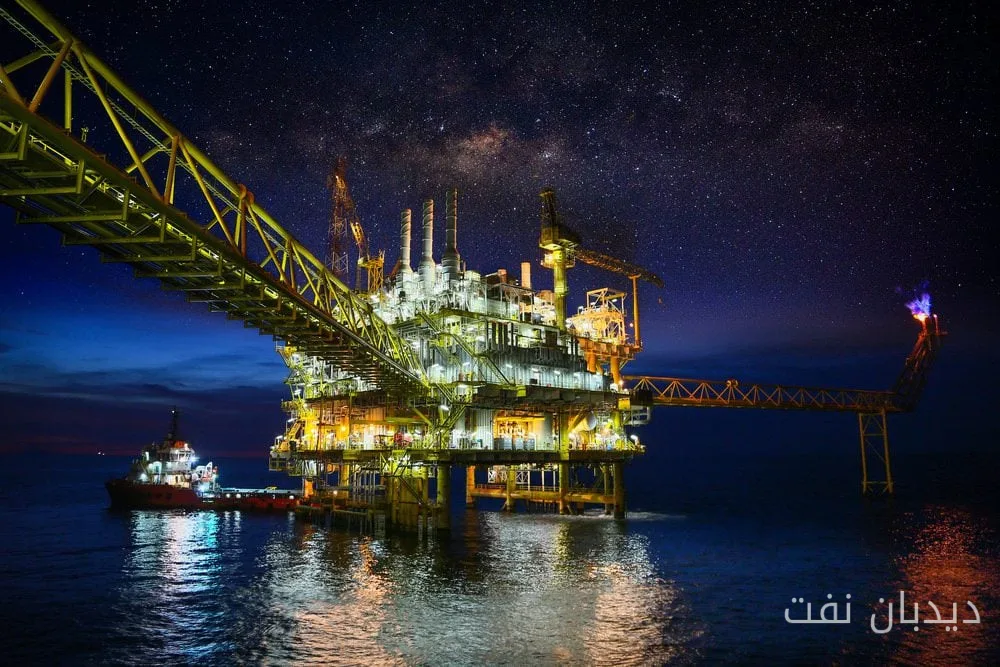
Saudi Arabia, one of the largest oil producers in the world, has recently announced that its crude oil production last month reached its lowest level since 1990. In a report to OPEC, the country stated that it has reduced its oil production by 1.9 million barrels per day to 6.23 million barrels per day. This news has significantly impacted the global oil market and heightened concerns about the future of energy worldwide.
Factors Influencing Production Reduction
The reduction in Saudi oil production may be due to several factors. On one hand, OPEC+ agreements to control oil supply in the market and on the other hand, fluctuations in global demand have played a key role in this reduction. Given the current market conditions, this production cut could benefit Saudi Arabia, as it will help raise oil prices in the market. However, the question remains whether this policy can be sustained.
On the other hand, this production cut may also affect Saudi Arabia's relations with other oil-producing countries. Some analysts believe that this action could lead to tensions between Saudi Arabia and other OPEC members, especially as other countries also strive to maintain their production levels.
Economic Consequences
The reduction in Saudi oil production may have widespread economic consequences. Rising oil prices could increase the country's oil revenues and improve its financial situation. However, in return, oil-importing countries may face challenges in securing energy, which could lead to increased costs and inflation in those countries.
Overall, the reduction in Saudi oil production is seen as a warning sign for the global market and appears to require more thorough investigations and deeper analyses. Can Saudi Arabia manage this reduction and continue its sustainable growth?