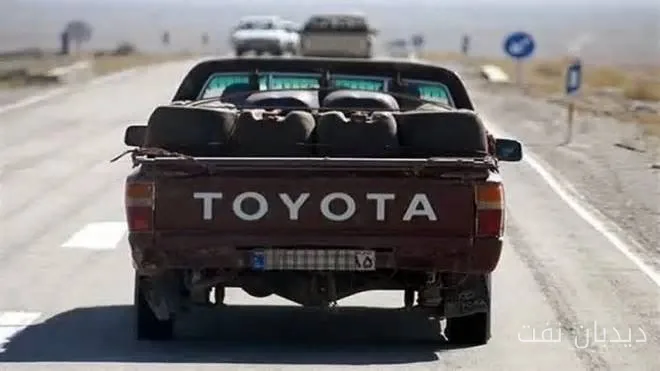
The volume of fuel smuggling in Iran has reached 25 million liters per day. This increase has occurred following the rise in the prices of petroleum products in neighboring countries, especially in the area of diesel. Mohammad Mohibi, the director general of the Office for the Prevention of Smuggling of Petroleum Products at the Central Headquarters for Combating Smuggling of Goods and Currency, has announced that over 51% of smuggling cases are related to petroleum products, and about 80% of smuggling in this sector pertains to diesel.
Challenges of Fuel Smuggling
Mohibi further pointed out that half of the diesel smuggling is related to the transportation sector. To control this area, a comprehensive tracking system has been designed that matches the fuel consumption of the fleet with information related to its movement and activity. This approach can increase the possibility of identifying abnormal consumption and deviations from fuel quotas. Mohibi also mentioned the changing geography of fuel smuggling in the country and stated that a significant portion of violations now occurs in the central provinces.
Read more: Iran Marine Industrial Company participates in a major oil project in the North Pars field
New Government Measures to Control Smuggling
The director general of the Office for the Prevention of Smuggling of Petroleum Products emphasized that combating the source of smuggling is one of the most effective methods for reducing this phenomenon. He also stressed the use of non-price policies for managing fuel smuggling and announced that with the use of information from new systems and monitoring tools, it is now possible to identify consumption patterns and predict future movements in the smuggling network.
Mohammad Mahdi Sidi, advisor to the CEO of the National Iranian Oil Refining and Distribution Company, reported on the implementation of a real-time monitoring plan from production to distribution of petroleum products and emphasized that the allocation of fuel to different sectors is done based on the relevant guidelines from the Headquarters for Combating Smuggling of Goods and Currency. This plan is currently in the bidding stage and its implementation will follow a planned schedule over 6, 18, and 36 months.
Brigadier General Jalal Amini, head of the Economic Security Anti-Smuggling Police, also referred to the organization of part of the fuel smuggling and stated that for more effective control, cooperation between the responsible agencies and the police and access to system information is of great importance. He also criticized the lack of oversight and control in some responsible agencies and deemed the full implementation of legal requirements related to systematic monitoring as essential.
According to officials, over one billion liters of fuel have been discovered as smuggled goods or related to smuggling in the past year. Meanwhile, to effectively control fuel smuggling, it is necessary to clarify the fuel route from production to supply. Equipping refinery outlets with measuring tools, tracking fleets, controlling quotas, and system monitoring can increase the ability to identify discrepancies between allocated, transported, and consumed fuel.
Read more: Improper delivery of power plant fuel and deviations in oil tankers · Crude oil exports from the Middle East reached their highest level before the war in the last week of September