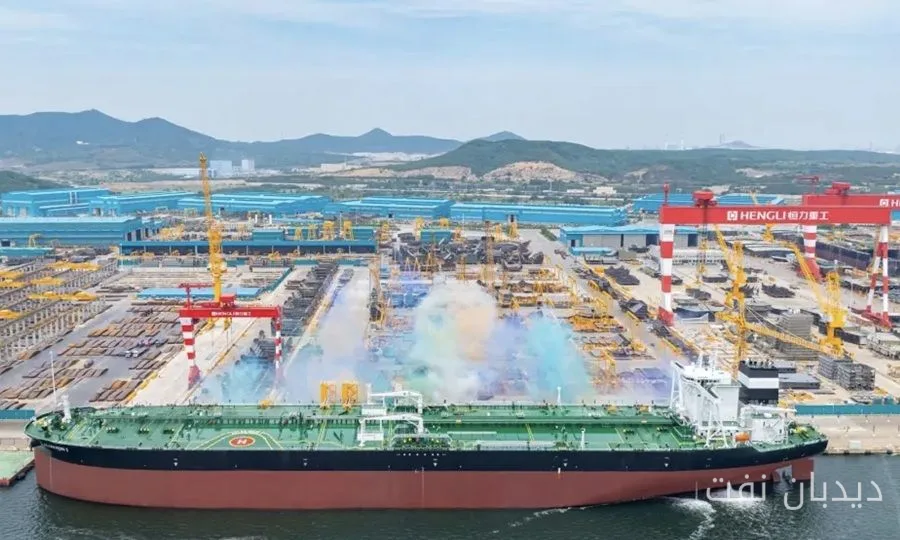
The great wave of VLCC (Very Large Crude Carrier) tanker deliveries will soon begin in 2028 and 2029, with more than 100 new tankers being put into service each year. This trend is reminiscent of the tanker boom in the 1970s, during which the delivery of 116 tankers in 1974 was considered an unprecedented record.
Current Status of the Tanker Fleet
According to Hartland data, there are currently 319 VLCC tankers under construction, which is equivalent to 34% of the existing fleet, and this figure rises to 42% if we exclude sanctioned vessels. Currently, only 20 tankers are scheduled for delivery in the next six months, and only six tankers were delivered last year. Additionally, 138 tankers on the order list will not be delivered until 2029 or later.
Challenges in the Tanker Market
The current market trend shows that owners have little inclination to scrap old fleets. According to a report by Banchero Costa, only four VLCC tankers were scrapped in the first nine months of 2026, while 172 new orders were registered during that time. This has caused the value of a 15-year-old VLCC tanker to reach $165 million, which is significantly higher than the $131.5 million cost required to order a new tanker.
As oil shipments by sea have decreased by 6% between January and September, serious questions about demand and the future of the market arise. According to a warning from Braemar, high freight rates may pressure Asian refineries to shift towards Middle Eastern crude oil, which will lead to a decrease in transportation demand.
Currently, geopolitical disruptions and existing restrictions on access to vessels have increased revenues, but this trend may lead to new orders that could ultimately fuel a market recession. Hartland stated in its weekly report that this situation could lead to a supply disaster or merely a replacement of the old fleet.