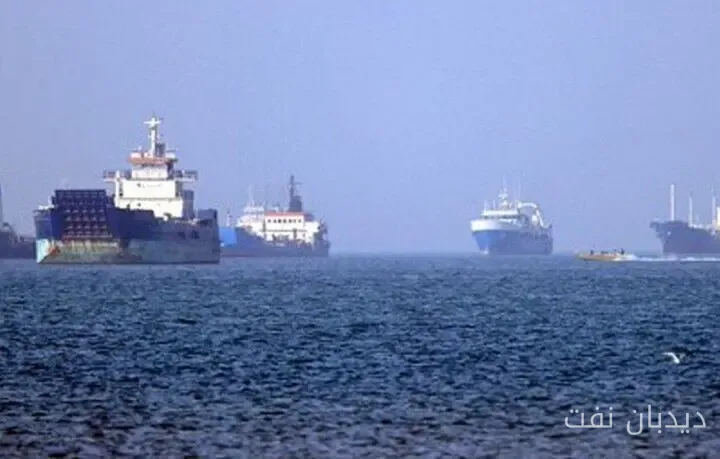
Crude oil exports from the Middle East reached their highest level since the onset of conflicts in the region during the last four days of September 2023. Despite threats and attacks on tankers in the Strait of Hormuz and the Gulf of Aden, the volume of crude oil and petroleum product exports during this period indicates a significant increase.
Increase in Crude Oil Exports Amidst Crisis
Shipping tracking data shows that crude oil exports from this region reached between 19.5 million to 22.5 million barrels per day on September 24, as well as from September 27 to 29. Meanwhile, the average crude oil exports from the Middle East between March 2022 and February 2023, prior to the start of the U.S. and Israel's war against Iran, was about 18 million barrels per day.
Read more: Discovery of a New Tanker Shipment on the Sanctioned Route in the Red Sea
Additionally, the average crude oil exports on October 1 reached 18.5 million barrels per day. This figure includes the volume passing through the Strait of Hormuz and the Red Sea, exports from ports, and ship-to-ship transfer operations in the Gulf of Oman.
Continuation of Maritime Threats and Attacks
Despite the increase in oil exports, reports indicate the continuation of attacks on tankers in the Strait of Hormuz. The maritime intelligence company "Marisec" reported that at least 7 new incidents have been recorded in this area. Furthermore, the UK Maritime Trade Operations (UKMTO) has reported at least one attack occurring daily in the Strait of Hormuz or the Gulf of Aden since October 2.
Before the war with Iran began on February 28, the Strait of Hormuz typically hosted about 125 large commercial vessels daily, accounting for approximately 20% of the world's daily crude oil and natural gas supply. However, the current situation indicates serious challenges to maritime security in this region.
Given the increase in crude oil exports and the ongoing maritime threats, the future of this industry in the Middle East is heavily influenced by security and political developments. In this context, optimal monitoring and management of oil exports and maritime security can play a significant role in maintaining regional economic stability.
Read more: Holding the Seventh Assessment Course for Firefighters at the Imam Khomeini (RA) Refinery in Shazand · Arrival of USS George H.W. Bush at Phuket Port, Thailand After Six Months of Sailing



