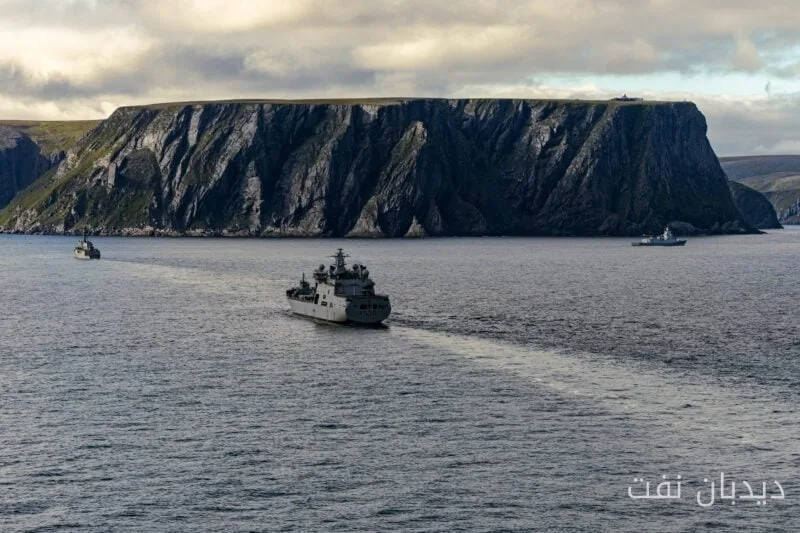
Oil exports from the Strait of Hormuz have returned to about 80% of pre-war levels, and in October, at least 30 ships have passed through this waterway daily. This increase has occurred as the U.S. military has established extensive protective coverage for passing vessels using fighter jets, warships, and defense systems.
Security Concerns and Tanker Traffic
Despite this, many private shipping companies still refrain from sending their tankers to the region. Reports indicate that U.S. military operations have largely prevented the halt of oil exports from the Persian Gulf, but sustainable security has yet to be achieved. A significant portion of the vessels passing through the strait under U.S. military protection are government-owned, and the traffic of liquefied natural gas carriers remains limited.
Read more: Panama-flagged tanker 'Luis 1' targeted by sticky mines
Impact of the Security Crisis on the Global Energy Market
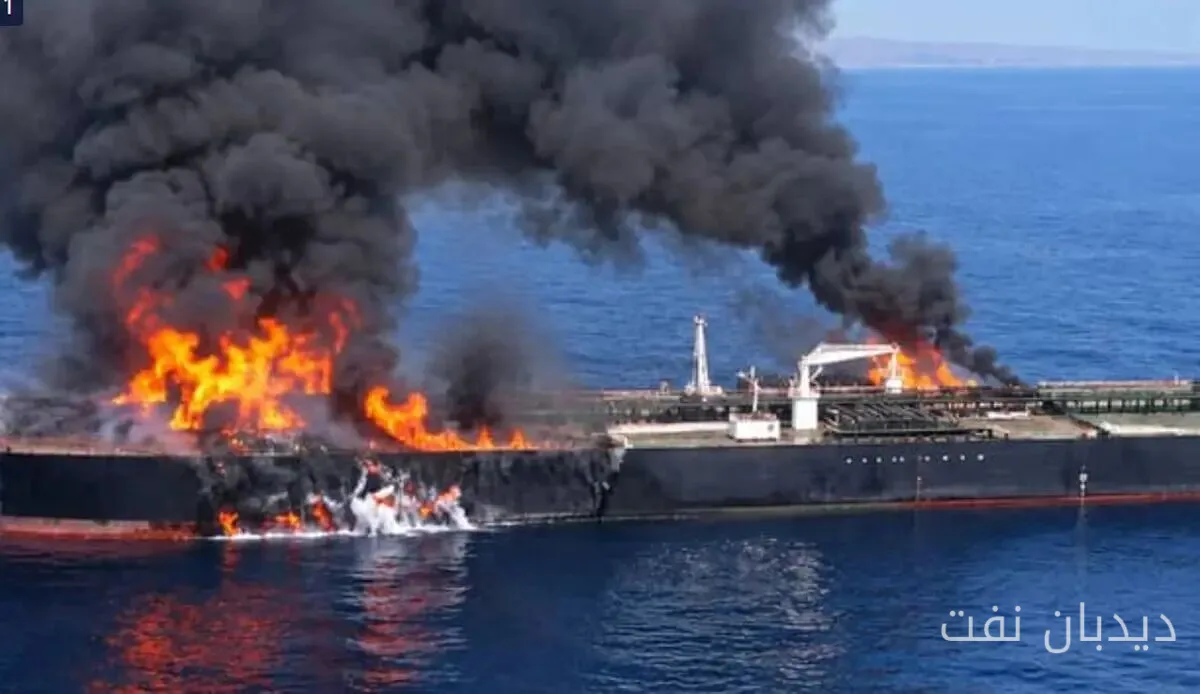
The main concern for shipping companies is that even with an increase in the number of passing tankers, the risk of missile, drone attacks, and mine-laying remains. The impact of this insecurity on the global energy market is also evident. According to reports, the price of Brent crude has risen to about $117 per barrel, and the oil market is on track to record its fourth consecutive month of price growth. Traders are worried about the possibility of renewed conflict between Iran and the U.S.
These developments indicate that reopening shipping routes alone is not sufficient to restore confidence in the global oil market. Shipping companies and marine insurers need more stable security guarantees to resume normal operations. Currently, although U.S. military operations have managed to revive a significant portion of oil exports, the security of vessel passage remains fragile.
Military and Diplomatic Challenges
The increase in maritime attacks has occurred amid speculation about the resumption of extensive U.S. military operations against Iran following the midterm elections on November 3. Some diplomats report that U.S. officials have warned certain regional allies about the possibility of renewed military operations against Iran. Meanwhile, Qatari mediators have returned to Tehran for talks on ending the war, but there are still no clear signs of both sides reaching an agreement to end the hostilities.
However, a crucial question facing Washington is whether the U.S. military can continue to protect commercial vessels in the Strait of Hormuz while conducting extensive military operations against Iran. Continued attacks on commercial shipping could increase international pressure to secure the waterway and prevent further disruptions in the energy market.
Ultimately, for energy-exporting and importing countries, the main issue is no longer just the number of passing tankers; rather, it is the assurance that this vital route can be used without the threat of attack and without the need for extensive military protection. As long as attacks on commercial vessels continue, the Strait of Hormuz will remain one of the most significant sources of instability in global energy trade.
Read more: SFL Corporation purchases three new tankers worth $365 million · Tehran Friday Imams: National unity against foreign threats is essential