The U.S. has recently identified five oil tankers belonging to Cuba as part of new sanctions and has taken steps to block their related properties. This action aims to target Cuba's oil shipping networks and prevent revenue generation for the country's government.
Details of the Tankers and Their Management
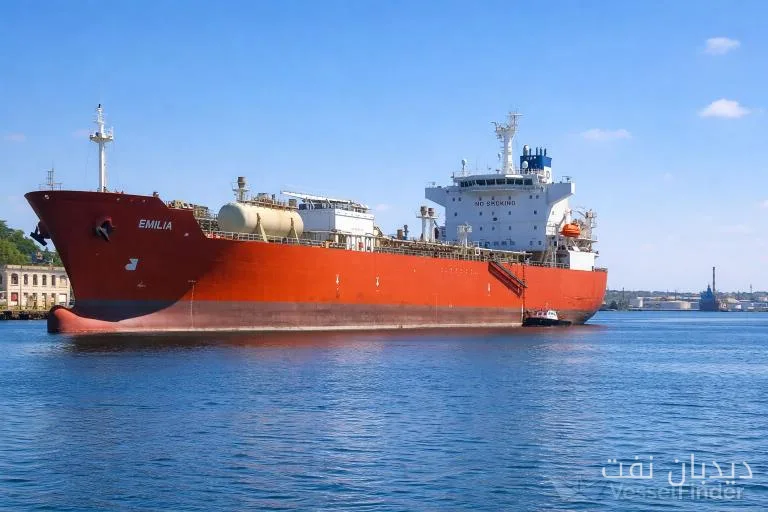
The identified tankers include Esperanza (IMO 9289166), Gloria C (9540273), Maria Cristina (9502453), Emilia (9242209), and Lourdes (9259692), all of which operate under the Cuban flag. The first three tankers are commercially managed by the Cypriot company Caroil Transport Marine. The tanker Gloria C belongs to the Panamanian company Tentacool Commercial, and Esperanza is owned by the Cuban company Internacional Maritima. The tankers Emilia and Lourdes are also managed by the Havana-based company Petroleos Maritimos del Caribe (known as Petromarca).
Read more: Receiving a new shipment of Iranian tanker on October 7, 2023
Expansion of Sanctions and Their Impacts
Several targets had previously been sanctioned. Caroil was added to the blacklist in 2019, and Esperanza and Maria Cristina had also been sanctioned before. Therefore, these actions are considered an expansion of previous restrictions.
The U.S. has also identified Guillermo Faustino Rodriguez Lopez Calleja as one of the individuals associated with extensive oil shipping networks and has sanctioned him. Additionally, the U.S. Treasury has expanded its sanctioning powers to cover foreign companies operating in Cuba's maritime, manufacturing, electronics, and technology sectors. This action could pose further risks for international shipping companies.
Overall, these sanctions prohibit transactions related to sanctioned entities for companies associated with the United States, and foreign companies providing services to sanctioned parties may also face sanctions. Washington has emphasized that humanitarian trade, including food and medicine, is exempt from these restrictions.
Read more: Plan to identify emergency fuel cards to curb fuel smuggling · Maersk orders 26 dual-fuel tankers with a capacity of nearly 484,000 TEU