On October 5, 2026, the South African government approved a key plan to improve the performance of its commercial ports. This plan involves separating the management of the country's eight commercial ports from Transnet into an independent state-owned company.
Establishment of an Independent Port Authority
The cabinet's decision confirmed the initiation of the process to review the structure of this independent company. This action is part of a reform program for the country's ports aimed at improving their efficiency and performance. Currently, Transnet is responsible for managing the ports and terminal operations.
Read more: Ahmad Moradi: Saving is a cost-free solution to overcome energy imbalance
The approval to separate the National Ports Authority from Transnet allows for the attraction of minority investors from South Africa's development finance institutions. This move could provide vital funding for modernizing port operations and management, while the government is committed to preserving current employment levels.
Response to Port Challenges
The government has stated that Transnet, which manages South Africa's ports, railways, and pipelines, will be compensated and will focus more on its operations. Additionally, the government has expressed a desire to compete with various operators in the ports and has increased pressure on Transnet to privatize its operations.
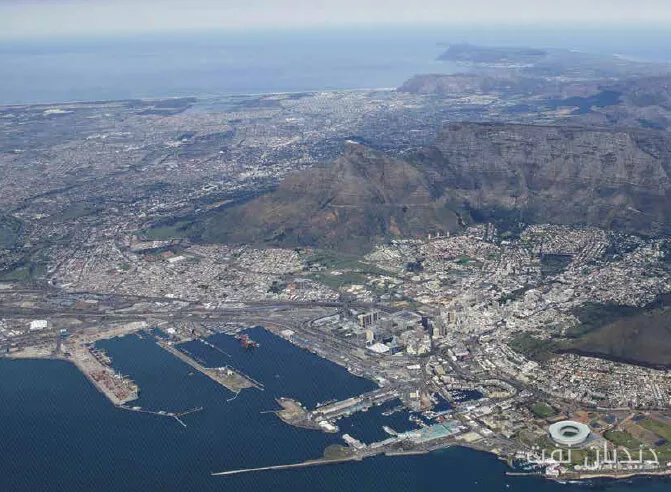
Transnet has previously entered into a long-term contract with the International Container Terminal Services based in the Philippines (ICTS) to manage the Durban container terminal and has also launched tenders for other key terminals, including in Ngqura and Cape Town.
The government has stated that these reforms aim to improve the reliability, efficiency, and competitiveness of South Africa's freight and supply chain operations. However, critics have described this move as a superficial change and believe that these reforms do not address the fundamental issues that have affected the ports for years.
South African ports have consistently ranked among the lowest in efficiency rankings and have faced delays and frequent operational disruptions due to inefficiency, bureaucracy, lack of investment, and a shortage of manpower.
Supporters of this plan believe that establishing an independent port authority will allow each operation to focus more on its activities and also state that this approach has been accepted as best practice in European countries and other parts of the world.