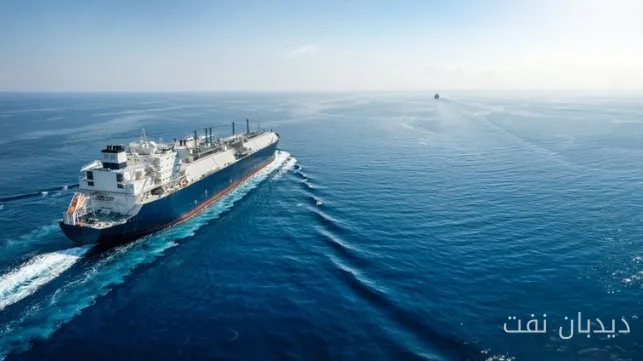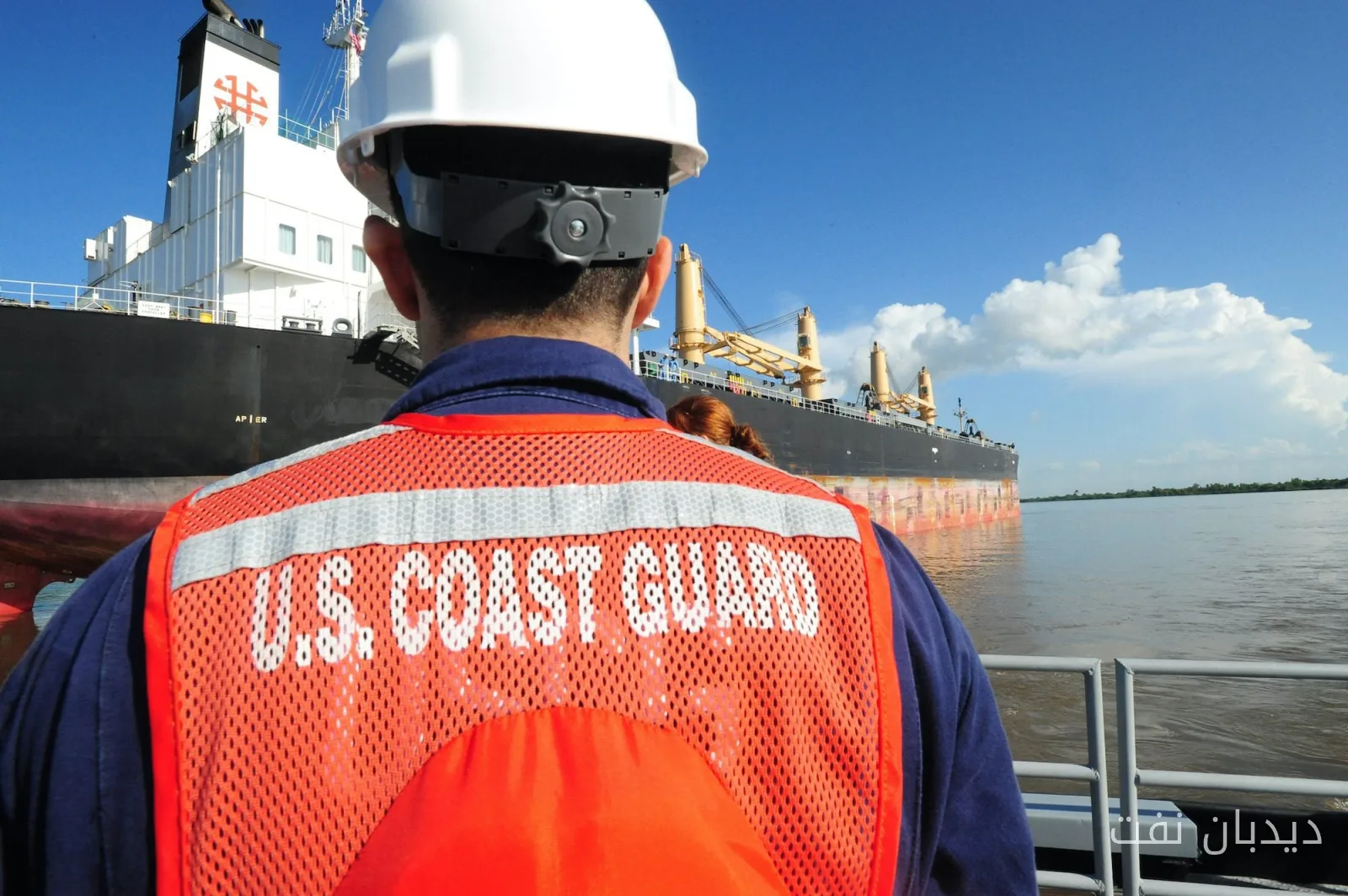
Future mariners will face new challenges in using advanced technologies. As artificial intelligence and automation technologies rapidly advance, the necessity of digital judgment skills has become one of the most important needs for the human workforce at sea.
Current Experiences of Mariners with Technology
A recent survey of about 300 mariners and senior officials in the maritime industry shows that half of these individuals are experimenting with and using artificial intelligence. According to Silje Moan, Chief Commercial Officer at Duolog, mariners are seeking assistance in solving problems and are very willing to use artificial intelligence. However, the main challenge is trust in these systems, controlling the source of information, and the high information load.
Read more: Mehdi Samimian announced the development of communication and fiber optic infrastructure in Semnan
Research indicates that mariners, instead of resisting new technologies, are more inclined to learn how to use them correctly. At the same time, Moan states that the administrative burden on the bridge is very high, and mariners spend more than 50% of their time on administrative tasks. If artificial intelligence can reduce some of this burden, it could significantly aid mariners' efficiency.
Essential Skills for the Future
Gert-Jan Panken, General Manager and Vice President of Inmarsat Maritime, emphasizes the importance of digital judgment skills. Mariners must be able to interact with automation systems, AI-generated recommendations, and increasing operational data. This means they need to have the ability to discern when to trust technology and when to question it.
With the advancement of artificial intelligence, mariners will be pushed towards greater oversight of systems. Patrick Ryan, Senior Vice President and Chief Technology Officer at ABS, emphasizes that this requires deeper knowledge in various fields. For example, an engineer should be able to identify unbelievable recommendations, and a navigator must know the fundamentals well enough to recognize specific cases that algorithms cannot identify.
Gary Noonan, Director of Innovation at Ardmore Shipping, states, "Future mariners must maintain the ability to operate in situations where the system is unavailable." The risk of advanced digital systems is not limited to their inability to function but can also lead to a reduction in human capabilities. For instance, GPS can be disrupted, ECDIS may freeze, and optimization software may provide recommendations that appear incorrect. In each of these cases, someone must identify the problem and know what to do next.
Ultimately, the future of seamanship will depend on digital judgment capabilities, practical knowledge, and the ability to combine digital insights with professional experience. Mariners must develop these skills in such a way that they can make sound decisions under real pressure conditions.
Read more: Digital transformation in the shipping industry led by Matt Filosa · Meta and entry into the new world of shared economy with Muse