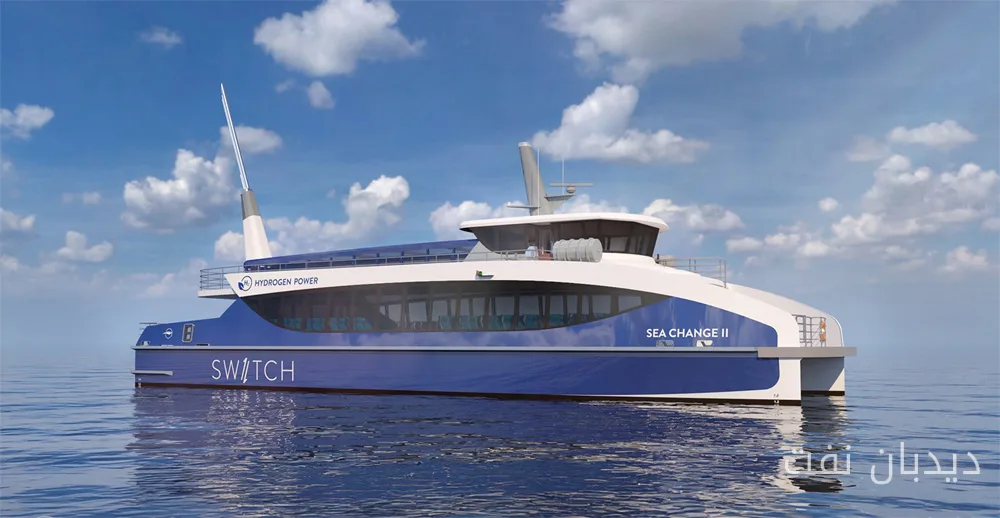
SWITCH Maritime, along with Incat Crowther, has finalized a Design Basis Agreement (DBA) with the United States Coast Guard (USCG) for the design of a fast ferry capable of carrying 150 passengers and operating on a hydrogen fuel system. This project has been described as a "significant regulatory milestone" and aims to expand the commercial applications of hydrogen technology.
Challenges and Regulatory Frameworks
The companies have pointed out the challenges and stated that the USCG's Subchapter T regulations, a set of rules and standards governing the design, construction, and operation of passenger vessels with a capacity of less than 150 people, currently do not include specific guidance or regulations for hydrogen electric propulsion systems and hydrogen storage. SWITCH, Incat Crowther, and the project vessel team have worked directly with the USCG to establish an appropriate regulatory framework that demonstrates adequate equivalence in safety and risk reduction.
Read more: Fagro Secures Contract for Marine Survey of East Anglia Two Wind Project
In May 2026, the International Maritime Organization (IMO) approved interim guidelines for the safety of hydrogen-fueled ships. These guidelines served as an important basis for the DBA process and reduced the time for approval. Francisco Planells, SWITCH Maritime's shipbuilding program manager, emphasized: "The signing of the DBA with the Coast Guard is a critical milestone in advancing the development of SWITCH-150. With this DBA in hand, SWITCH, our project team, and the USCG have a clear and defined framework that will assist us in building, launching, and ultimately operating the vessel."
Technical Specifications and Amenities
The ferry is designed to be 28 meters (92 feet) long, capable of carrying 150 passengers at a cruising speed of 25 knots. This design is based on Incat's catamaran design and includes 1576 kilowatt-hours of battery. With a storage capacity of 720 kilograms of compressed hydrogen, this ferry will be able to operate in the New York ferry networks for a full day.
The main deck of the ferry will feature comfortable seating for 150 passengers, ample cargo space, a kiosk, three restrooms including one accessible restroom, and large windows to enjoy the iconic views of New York's waterways. The SWITCH-150 directly benefits from the technical, regulatory, and operational framework of SWITCH's previous vessel, Sea Change, which was the first hydrogen ferry in the United States. Sea Change received its DBA from the USCG in 2020 and was launched for passenger service in July 2024.
SWITCH has highlighted the advantages of this concept, stating that the SWITCH-150 platform is designed to align with the performance and operational specifications that ferry operators expect. This ferry, equipped with a hydrogen electric propulsion system and hydrogen storage, will be capable of high-frequency and high-intensity ferry operations, similar to an existing diesel vessel. This means that there will be no parallel service speeds, daily refueling schedules, or the need to increase turnaround time or change services for charging the vessel.
SWITCH-150 will seamlessly integrate into existing ferry operations and will not require planning changes or system overhauls compared to a similar battery electric vessel. The first SWITCH-150 is set to be based in New York City, with the development of the first hydrogen-electric ferry in New York supported by $2 million from the New York State Energy Research and Development Authority (NYSERDA).
Read more: Damen Shipyards Signs New Contract with the Lithuanian Navy · Ammonia-Powered Dry Cargo Ship Begins Its Maiden Voyage to Australia