On May 13, 2023, the Ministry of Energy promised that with the cooperation of the public and the electricity industry, there would be no blackouts this summer. This promise was reiterated on September 5, 2023, but just hours after this announcement, numerous reports of unexpected blackouts in residential and commercial areas emerged.
Response of the Ministry of Energy to the Blackouts
Mostafa Rajabi Mashhadi, the Deputy for Electricity and Energy at the Ministry of Energy, was compelled to respond after the promise of no blackouts, stating that "we will not announce a specific date for the end of the blackouts." This is while electricity consumption had peaked in the summer, and now that the heat wave has subsided, the discussion of consumption management and blackouts has been forgotten. It seems that officials need to start planning now to avoid facing a power shortage next summer.
Read more: The Executive Deputy of the President Rejected the 80,000 Toman Gasoline Plan
Challenges in Power Supply and the Need for Investment in Solar Energy
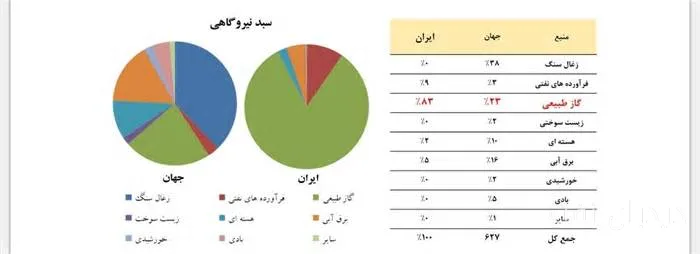
Energy security is currently a key issue. The government considers the development of solar power plants as part of its strategy to address the electricity imbalance and reduce dependence on fossil fuels. Currently, about 80% of the country's power generation fuel mix consists of gas, 70% of which is extracted from the South Pars field. Relying on a single energy source threatens the stability of energy supply. According to a report by the Research Center of the Parliament, the goal is to add at least 20,000 megawatts of solar power capacity to the country's power generation capacity.
Developing solar energy is proposed as the main solution to reduce dependence on natural gas and improve energy security in the country. With increased solar capacity, it is possible to neutralize threats arising from sanctions and minor issues in the gas network.
Delays in Implementing Solar Projects
The Renewable Energy and Energy Efficiency Organization (SATBA) is responsible for accelerating solar projects, but delays in implementation have raised concerns. The Governor of East Azerbaijan warned about the delay in implementing solar projects in the province, stating that this delay was due to the non-delivery of solar panels by the Deputy of SATBA.
The financial manager of SATBA also mentioned delays in collecting electricity tariffs and a lack of liquidity, stating that payments to solar power plants are sometimes delayed by two to three months. These delays must be resolved in any way possible so that projects can progress more quickly and the country's electricity supply is not jeopardized.
The Necessity of Public Consensus for Solar Energy Development
In the future outlook, cooperation and support from the general public and institutions for the development of solar energy is essential. Sustainable energy requires developmental movements, and officials must develop plans to increase the country's solar capacity. Pursuing these collective demands can guarantee future summers without blackouts.
Read more: Ahmadi Denied the Rumor of Reducing Gasoline Quotas · Return of Wind Power to Cargo Ships: New Modules Are Being Installed