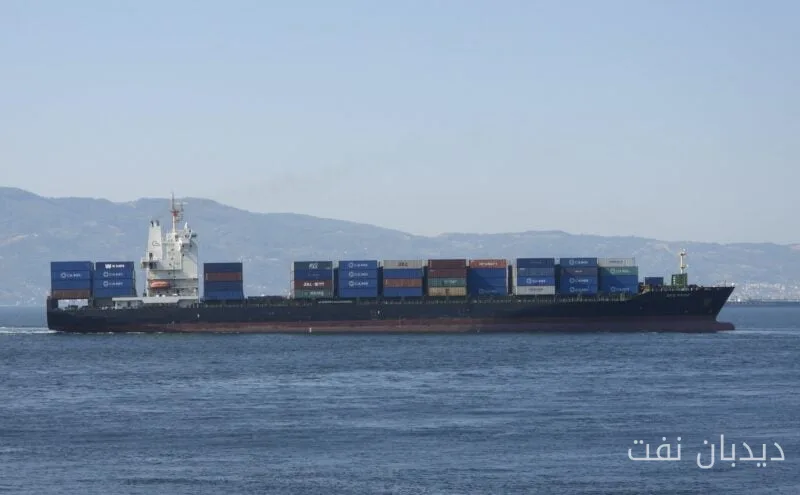
19 Iranian tankers have been in an uncertain situation in the waters of the Indian Ocean near the shores of Sri Lanka for 88 days, and concerns about their crew are growing day by day. These tankers, whose tanks are empty, still have crew members trapped in the open waters.
Poor Conditions of the Tanker Crews
Reports indicate that supplies of drinking water, food, and fuel on these vessels have dwindled, and the sailors do not know when they can return home. The Sri Lankan government has refrained from providing services to these tankers due to U.S. secondary sanctions, exacerbating concerns about the health and safety of the crew. Alireza Delkhah, the Ambassador of the Islamic Republic of Iran in Sri Lanka, had previously requested humanitarian assistance, which was rejected by the Sri Lankan Foreign Minister.
Read more: The U.S. Sanctioned Tanker ‘Sibu 1’ Rescued from Somali Pirates
Consequences of Sanctions on Maritime Services
The situation of the tanker crews has turned into a humanitarian crisis due to the sanctions. Tushara Rodrigo, a spokesperson for the Sri Lankan Foreign Ministry, stated that any decision to assist these vessels must consider Sri Lanka's national interests. Additionally, the risk of U.S. secondary sanctions has led private companies to refuse to provide services to these tankers. However, the exact number of crew members and their national composition is still unclear, and there is no independent information regarding their medical status or remaining supplies.
These tankers were part of Iran's oil export chain to Asian markets, especially China, and the disruption in their return to Iran's export terminals has complicated the oil transportation cycle. Under normal circumstances, supplying water, food, and fuel needed for ships is usually part of the daily operations of port service companies, but now these services face the risk of being cut off from the banking and international trade networks.
Read more: An Iranian Tanker Cargo Identified on November 6, 2023, in the Caspian Sea Route · Macron Announced the Seizure of the DF Peak Tanker in the Indian Ocean