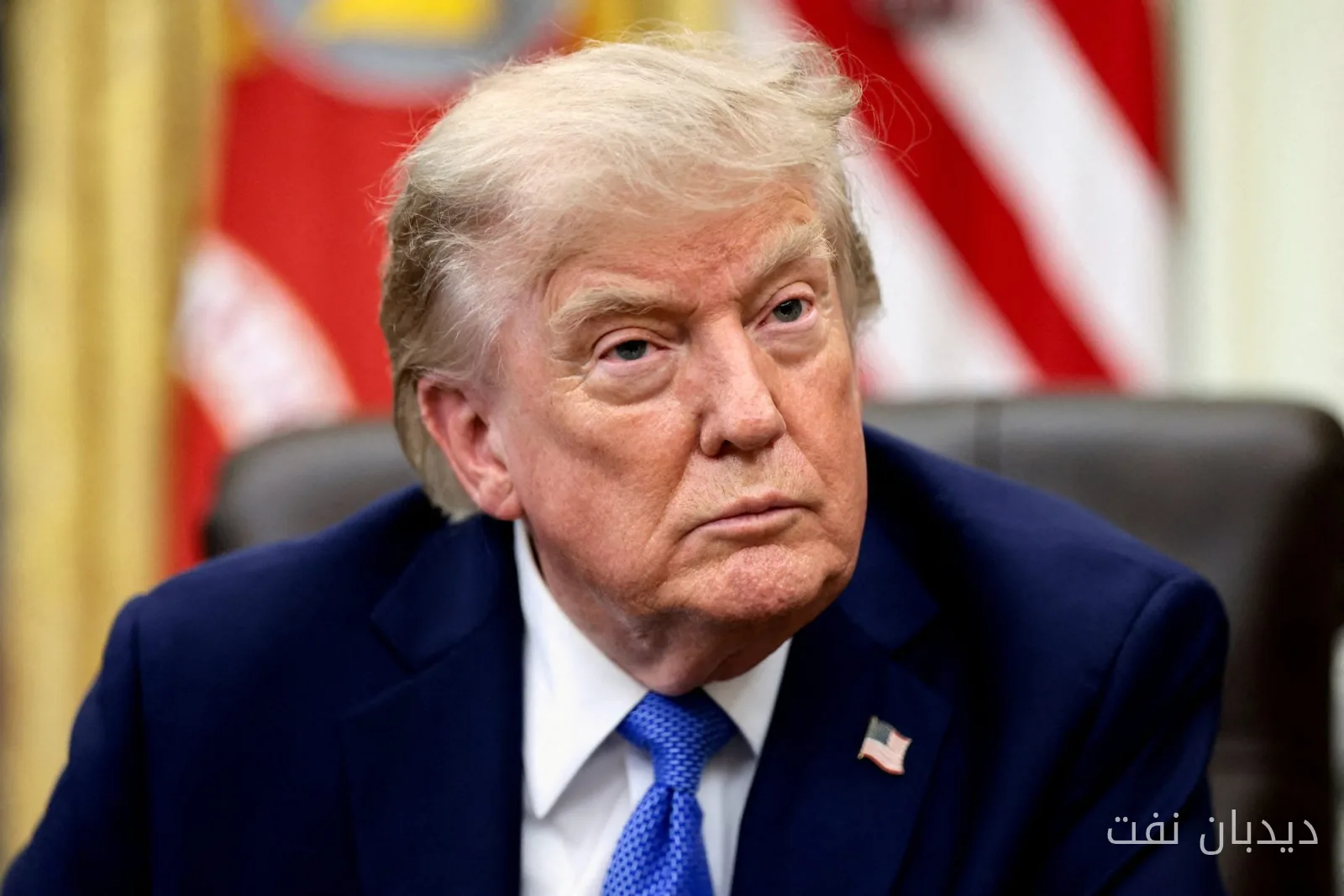
The Donald Trump administration sought to secure America's national interests by establishing "energy dominance" as one of the key principles of its economic and foreign policies. However, following an unintended war with Iran and a sharp increase in fuel costs, this policy has turned into a serious challenge.
Development of Energy Resources and Increased Production
After Trump's return to the White House in 2025, U.S. oil and gas production as the world's largest producer allowed Washington to gain more power in its international and trade relations. On his first day in office, Trump declared a national energy emergency and emphasized focusing on the production of oil, gas, coal, and nuclear energy.
Read more: Analysis by Asim Munir and the Impact of the U.S. Elections on Iran-Washington Relations
Since 2009, with the development of economic techniques for exploiting shale fields, the U.S. has become the largest producer of natural gas and in 2018 became the world's largest oil producer. By 2022, the country also became the largest exporter of liquefied natural gas, significantly impacting global energy markets.
Consequences of War and the Energy Crisis
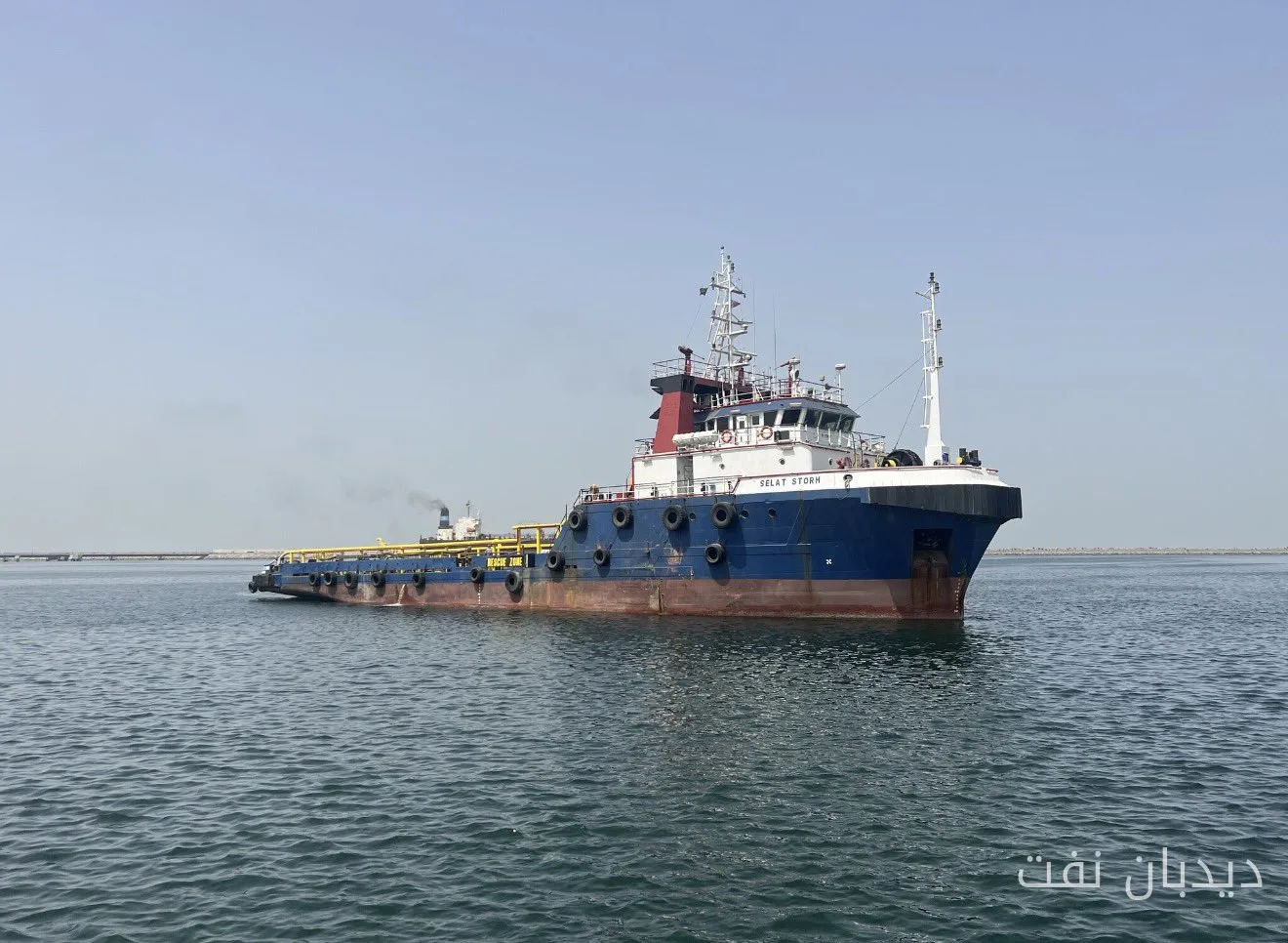
With the start of the war in Iran on February 28, the Strait of Hormuz, through which about one-fifth of the world's energy supply passes, was effectively closed, leading to one of the largest energy disruptions in modern history. Middle Eastern producers reduced production and rerouted their exports, while major consumers in Asia also reduced consumption.
The result of this crisis led to an increase in oil prices, with Brent crude reaching $118 per barrel. This price increase, which severely impacted global markets, clearly indicates the existing weaknesses in Trump's energy policy. Although prices reached a high level, due to sufficient oil reserves and the alignment of global markets, this increase was not as expected.
This war also caused energy price risks to stabilize. Even though oil flows from the Middle East have returned to normal, Brent prices are still trading around $110. This situation has not only affected energy markets but has also impacted confidence in the security of oil supply from the Middle East.
Ultimately, the 2026 energy crisis somewhat validated Trump's energy policies. This war strengthened America's position as the world's largest supplier of oil and liquefied gas, bringing significant benefits to domestic producers and exporters.
Read more: HarborLab: Inefficiency in Port Cost Management in Asia · Seyyed Ali Akbar Kalantar: The Private Sector is Ready to Collaborate on Energy Crisis Management